Argentina reaches agreement with IMF, dodges default
-
 Loading...
 - Betty Simpson
- 31 Jan 2022
- 417 Views
- 0 Like
- 0 Comment
The Government of Argentina and The International Monetary Fund (IMF) Friday reached an agreement for the repayment of the South American country's debt stemming from a loan granted under the administration of Former President Mauricio Macri.
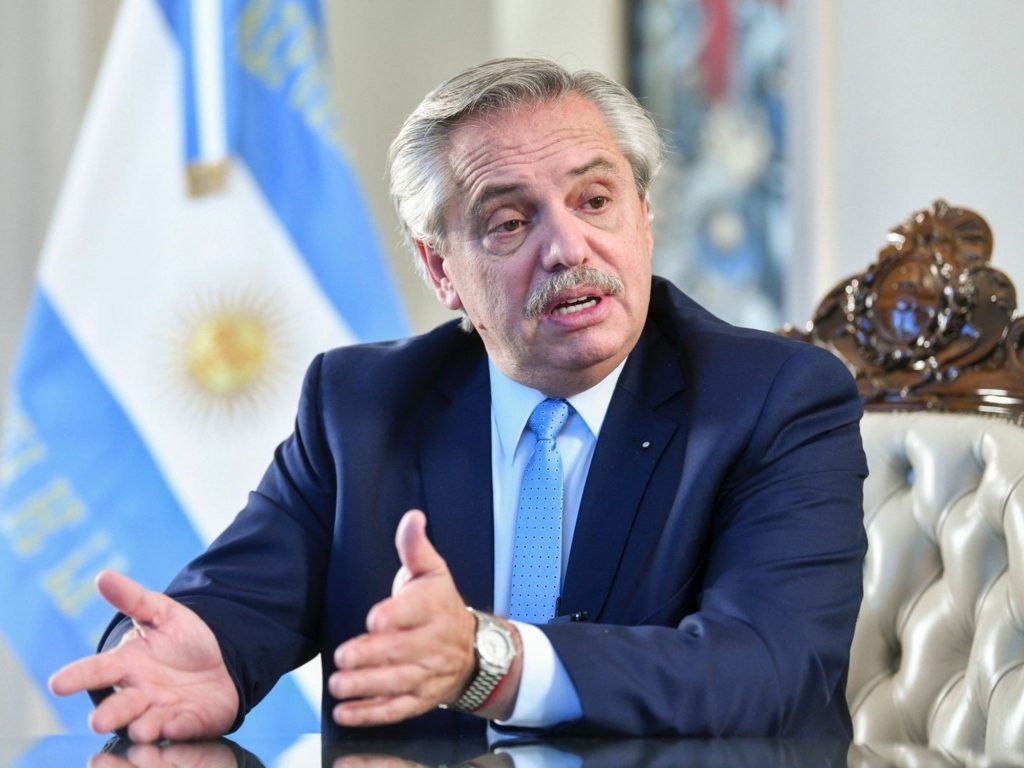
“We had an unpayable debt and we have a reasonable agreement,” Argentine President Alberto Fernández said in a broadcast message from the Olivos residence. “We suffered a problem and now we have a solution with an agreement without restrictions,” he added.
Fernández underscored Argentina has to “grow to be able to pay,” a stance which his administration has maintained as non-negotiable since the beginning of talks with the IMF. The head of state also explained the deal needs to be ratified by the National Congress.
“Everyone should be held accountable to history,” Fernández also said. “This agreement does not contemplate restrictions that postpone our development, but rather promotes investment in public works. Nor does it impose us to reach a zero deficit,” the President pointed out. “It does not have devaluation jumps either.” “It does not impact public services, it does not relegate our social spending and it respects our investment plans in science and technology,” President Fernández added.
Following this new agreement, Argentina will also have access to other international sources of financing, the head of state went on. However, the first step after the new according was to honor maturities for US $ 731 million Friday and avoid default.
IMF Director Kristalina Georgieva welcomed Argentina's agreement, which she said implied “an understanding on key policies” reached during negotiations between the Fund's technical staff and local authorities. Georgieva also said she was “excited” because both parties agreed on a program that will allow “addressing current challenges such as inflation and ensuring more inclusive and sustainable growth for the Argentine people.”
The new agreement will allow a “gradual and sustainable improvement of public finances” and will include a “progressive reduction of energy subsidies” so that the country can pay back the US $ 44,000 million loan taken under Macri. Read More…