Argentina’s rural education focuses on higher quality and better learning

Challenge
Rural populations, roughly 9% of Argentina’s population in 2014, were significantly disadvantaged in terms of educational outcomes when compared with their urban peers due to facing some unique development challenges, like multigrade teaching. PROMER II tried to bridge urban-rural gaps for three core educational outcomes: access to secondary education - 83% for urban areas, and 55% for rural areas; transition to secondary education – students in rural areas were 43% less likely to Pattend lower secondary education after finishing primary education; and permanence in secondary education - students in rural areas were 70% more likely to drop out of school at this level.
Approach
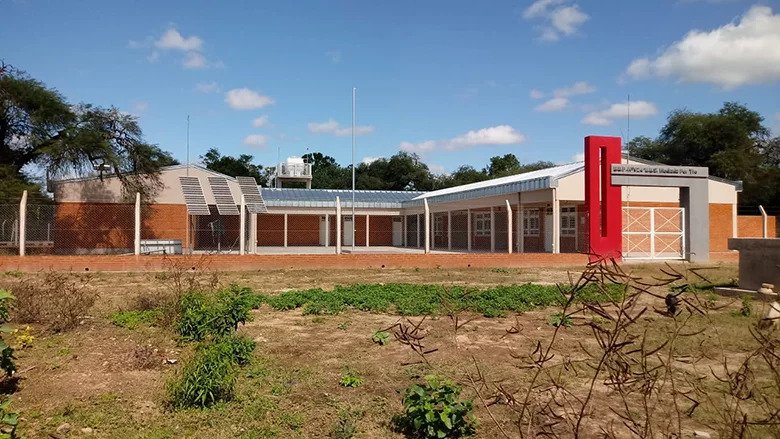
PROMER II’s development objective was aimed at significantly improving rural education in Argentina through a reduction in repetition rates in primary education, and increased student enrollment in and graduation from secondary education. Two main approaches were followed to address this challenge. First, using finance, the project contributed to improving rural learning environments across the country, complementing renewed infrastructure with critical teacher, principals and school administrators’ training to ensure a holistic enhancement of the learning experience. Training was delivered in essential components of the teaching process in rural areas, like intercultural bilingual (indigenous) education and multigrade teaching. Second, it used the World Bank’s convening power to gather donor support - e.g. UNICEF’s - to fill important knowledge gaps, generating studies in rural institutional governance models and connectivity in remote areas. Read More..