Asantehene seeks return of Asante artefacts from British Museum
-
 Loading...
 - Kane Souleymane
- 07 Jun 2023
- 83 Views
- 0 Like
- 0 Comment
The Asantehene, Otumfuo Osei Tutu II, has taken proactive measures to facilitate the potential return of valuable Ashanti regalia items that were taken from Kumasi by the British army after the Ashanti war against the British in 1874, commonly referred to as the Battle of Amoaful.
Recently, he engaged in discussions with the leadership of the British Museum in London to address this matter.
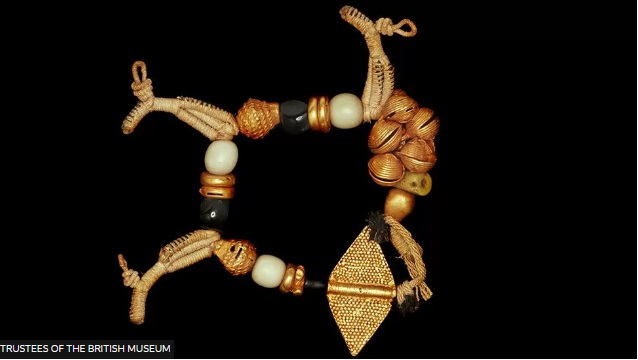
The British Museum currently houses a vast collection of treasures, including those that were removed from the palace of the Asantehene during the War of 1874.
Furthermore, Otumfuo Osei Tutu expressed his interest in fostering contemporary cultural cooperation, seeking assistance in the management and technical aspects of the Manhyia Palace Museum.
Technical Collaboration
Ivor Agyeman-Duah, one of the advisors to the Asantehene regarding the technicalities of reclaiming the valuable artifacts, provided insight into the meeting. He stated that the British Museum agreed to analyze and develop a technical framework in collaboration with the Asantehene's advisors.
Another advisor involved in the technical discussions is Malcolm McLeod, a former Keeper of Ethnography at the museum and previously a Professor of History and Vice Principal of the University of Glasgow.
Agyeman-Duah, a historian, museum economist, and development specialist, further explained that both parties agreed to review an expired memorandum of understanding (MoU) between the Manhyia Palace and the British Museum. They also reached an agreement to arrange a loaning agreement, allowing some of the items to be temporarily sent to Kumasi for the Asantehene's silver jubilee celebrations next year.
During his visit to the museum, Otumfuo was personally guided through an exhibition titled "Luxury and Power-Persia to Greece," which focused on the Greco-Persian Wars.
Significance of the Museum
Otumfuo Osei Tutu emphasized the significance of the ongoing major restructuring and expansion of the Manhyia Palace Museum, highlighting its potential for generating revenue. He acknowledged that, like other prominent museums, the facility occasionally requires additional collections to enhance its appeal and growth.
However, he noted that the laws governing antiquities in Britain need to be taken into account despite these considerations.