Home Upload Photo Upload Videos Write a Blog Analytics Messaging Streaming Create Adverts Creators Program
Bebuzee Afghanistan Bebuzee Albania Bebuzee Algeria Bebuzee Andorra Bebuzee Angola Bebuzee Antigua and Barbuda Bebuzee Argentina Bebuzee Armenia Bebuzee Australia Bebuzee Austria Bebuzee Azerbaijan Bebuzee Bahamas Bebuzee Bahrain Bebuzee Bangladesh Bebuzee Barbados Bebuzee Belarus Bebuzee Belgium Bebuzee Belize Bebuzee Benin Bebuzee Bhutan Bebuzee Bolivia Bebuzee Bosnia and Herzegovina Bebuzee Botswana Bebuzee Brazil Bebuzee Brunei Bebuzee Bulgaria Bebuzee Burkina Faso Bebuzee Burundi Bebuzee Cabo Verde Bebuzee Cambodia Bebuzee Cameroon Bebuzee Canada Bebuzee Central African Republic Bebuzee Chad Bebuzee Chile Bebuzee China Bebuzee Colombia Bebuzee Comoros Bebuzee Costa Rica Bebuzee Côte d'Ivoire Bebuzee Croatia Bebuzee Cuba Bebuzee Cyprus Bebuzee Czech Republic Bebuzee Democratic Republic of the Congo Bebuzee Denmark Bebuzee Djibouti Bebuzee Dominica Bebuzee Dominican Republic Bebuzee Ecuador Bebuzee Egypt Bebuzee El Salvador Bebuzee Equatorial Guinea Bebuzee Eritrea Bebuzee Estonia Bebuzee Eswatini Bebuzee Ethiopia Bebuzee Fiji Bebuzee Finland Bebuzee France Bebuzee Gabon Bebuzee Gambia Bebuzee Georgia Bebuzee Germany Bebuzee Ghana Bebuzee Greece Bebuzee Grenada Bebuzee Guatemala Bebuzee Guinea Bebuzee Guinea-Bissau Bebuzee Guyana Bebuzee Haiti Bebuzee Honduras Bebuzee Hong Kong Bebuzee Hungary Bebuzee Iceland Bebuzee India Bebuzee Indonesia Bebuzee Iran Bebuzee Iraq Bebuzee Ireland Bebuzee Israel Bebuzee Italy Bebuzee Jamaica Bebuzee Japan Bebuzee Jordan Bebuzee Kazakhstan Bebuzee Kenya Bebuzee Kiribati Bebuzee Kuwait Bebuzee Kyrgyzstan Bebuzee Laos Bebuzee Latvia Bebuzee Lebanon Bebuzee Lesotho Bebuzee Liberia Bebuzee Libya Bebuzee Liechtenstein Bebuzee Lithuania Bebuzee Luxembourg Bebuzee Madagascar Bebuzee Malawi Bebuzee Malaysia Bebuzee Maldives Bebuzee Mali Bebuzee Malta Bebuzee Marshall Islands Bebuzee Mauritania Bebuzee Mauritius Bebuzee Mexico Bebuzee Micronesia Bebuzee Moldova Bebuzee Monaco Bebuzee Mongolia Bebuzee Montenegro Bebuzee Morocco Bebuzee Mozambique Bebuzee Myanmar Bebuzee Namibia Bebuzee Nauru Bebuzee Nepal Bebuzee Netherlands Bebuzee New Zealand Bebuzee Nicaragua Bebuzee Niger Bebuzee Nigeria Bebuzee North Korea Bebuzee North Macedonia Bebuzee Norway Bebuzee Oman Bebuzee Pakistan Bebuzee Palau Bebuzee Panama Bebuzee Papua New Guinea Bebuzee Paraguay Bebuzee Peru Bebuzee Philippines Bebuzee Poland Bebuzee Portugal Bebuzee Qatar Bebuzee Republic of the Congo Bebuzee Romania Bebuzee Russia Bebuzee Rwanda Bebuzee Saint Kitts and Nevis Bebuzee Saint Lucia Bebuzee Saint Vincent and the Grenadines Bebuzee Samoa Bebuzee San Marino Bebuzee São Tomé and Príncipe Bebuzee Saudi Arabia Bebuzee Senegal Bebuzee Serbia Bebuzee Seychelles Bebuzee Sierra Leone Bebuzee Singapore Bebuzee Slovakia Bebuzee Slovenia Bebuzee Solomon Islands Bebuzee Somalia Bebuzee South Africa Bebuzee South Korea Bebuzee South Sudan Bebuzee Spain Bebuzee Sri Lanka Bebuzee Sudan Bebuzee Suriname Bebuzee Sweden Bebuzee Switzerland Bebuzee Syria Bebuzee Taiwan Bebuzee Tajikistan Bebuzee Tanzania Bebuzee Thailand Bebuzee Timor-Leste Bebuzee Togo Bebuzee Tonga Bebuzee Trinidad and Tobago Bebuzee Tunisia Bebuzee Turkey Bebuzee Turkmenistan Bebuzee Tuvalu Bebuzee Uganda Bebuzee Ukraine Bebuzee United Arab Emirates Bebuzee United Kingdom Bebuzee Uruguay Bebuzee Uzbekistan Bebuzee Vanuatu Bebuzee Venezuela Bebuzee Vietnam Bebuzee World Wide Bebuzee Yemen Bebuzee Zambia Bebuzee Zimbabwe
Blog Image

Astronomers discover oldest known star in the galactic halo

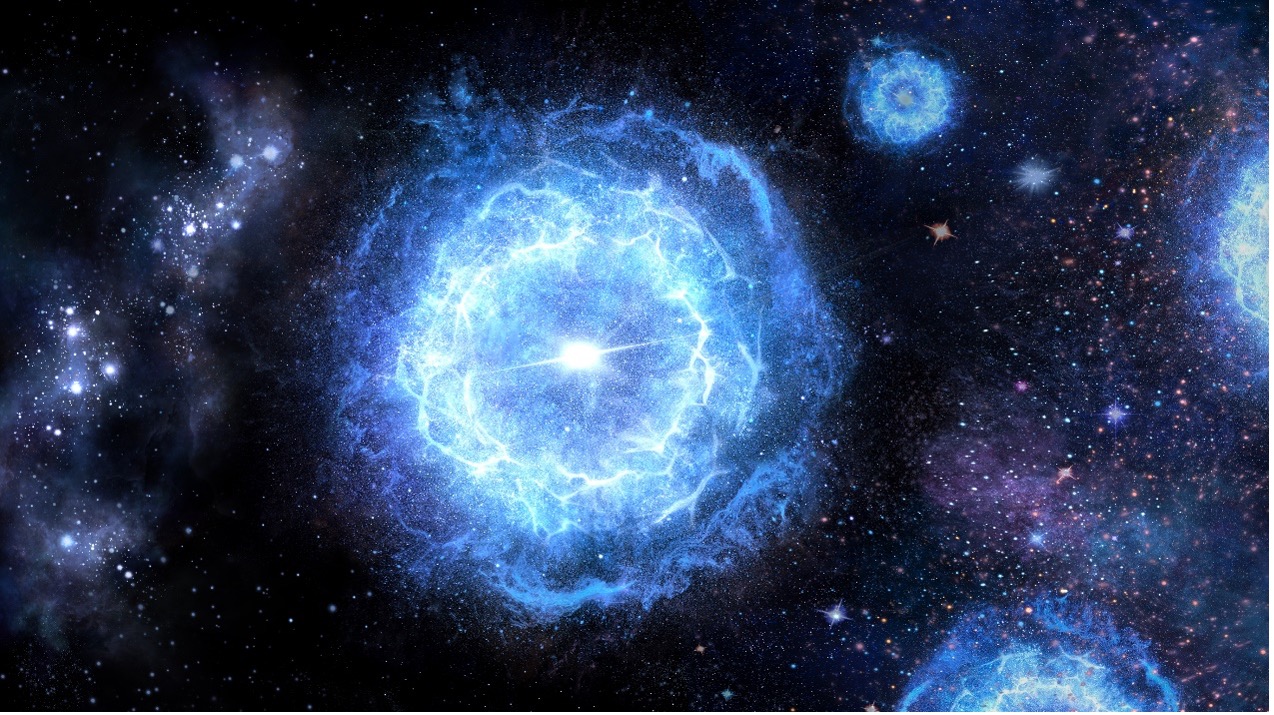
An international team of researchers has made a remarkable finding by uncovering the most ancient star known to exist in the galactic halo. The star's origins can be traced back to a gas cloud that was left behind by a first-generation star, boasting a colossal mass of up to 260 times that of our sun.

This groundbreaking discovery has significantly advanced humanity's comprehension of the initial stars and the evolution of both the Milky Way and the universe as a whole.

Recently published in the esteemed scientific journal Nature on June 7, the study was spearheaded by a group of Chinese astronomers hailing from the National Astronomical Observatories of China (NAOC), which operates under the umbrella of the Chinese Academy of Sciences (CAS).

Zhao Gang, the head of the research project, explained that the first stars illuminated the universe during the cosmic dawn, effectively bringing an end to the cosmic "dark ages" that ensued after the Big Bang. Nonetheless, the distribution of their masses remains one of the enigmatic mysteries of the cosmos.

Through numerical simulations focused on the formation of initial stars, experts have estimated that these stellar entities could possess masses ranging up to several hundred times that of our sun. Within this range, stars with masses between 140 and 260 solar masses eventually undergo a distinctive type of supernova known as pair-instability supernovae (PISNe). This particular phenomenon leaves a distinct chemical imprint within the atmosphere of subsequent generations of stars, as elucidated by Zhao.

Nevertheless, concrete evidence supporting the occurrence of such supernovae had been absent until now.

Leveraging data from the Large Sky Area Multi-Object Fiber Spectroscopic Telescope (LAMOST) in China and subsequent observations from the Subaru telescope in Japan, scientists successfully identified a chemically anomalous star dubbed LAMOST J1010+2358. Its unique chemical properties align perfectly with the characteristics anticipated from a PISN according to existing theories. Thus, researchers have confirmed that this star was formed within a gas cloud predominantly composed of remnants from a PISN boasting a staggering mass of 260 solar masses.

"This discovery represents the inaugural and unequivocal evidence of a PISN's existence, originating from an exceedingly massive first-generation star in the early universe," declared Xing Qianfan, a prominent member of the study from NAOC.

The revelation serves to substantiate the notion that the mass of initial-generation stars could indeed reach several hundred times that of our sun. Consequently, it will profoundly influence investigations into the origins of elements, star formation during the early stages of the universe, and the chemical evolution of galaxies, as emphasized by Zhao.


Previous Post

Scientist says poor quality antibiotics, source of antimicrobial resistance in Ghana

Next Post

Vietnamese Scientists Develop Raw-Edible Corn

Comments