Bangladesh struggles to protect the last of its last wild elephants
-
 Loading...
 - Ananya Agarwal
- 21 Sep 2022
- 69 Views
- 0 Like
- 0 Comment
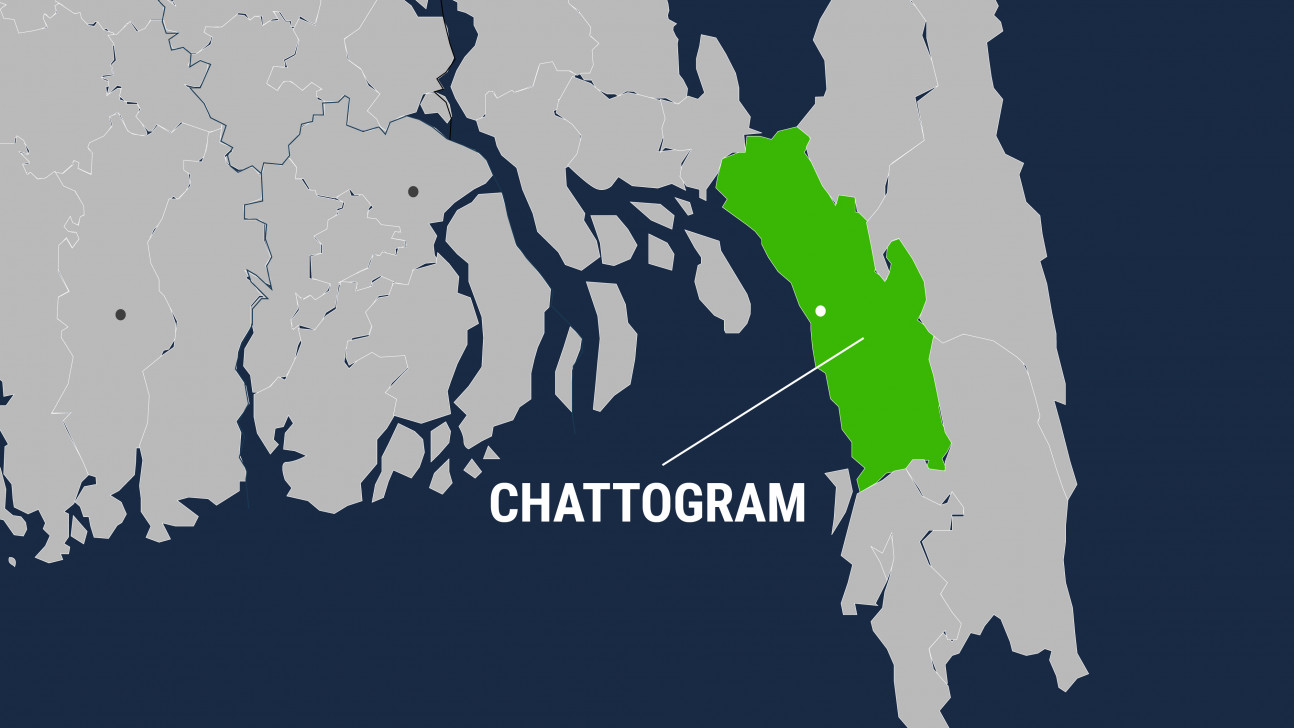
In the early hours of July 19, a herd of wild elephants came down from the hills to a crop field located in Rangunia, in Bangladesh’s Chattogram district, in search of food.
The elephants soon began damaging crops and banana orchards planted close to the forests as they foraged for food.
Abdul Rashid, 55, a farmer from Mirkhali village in Ragunia, rushed to protect his banana orchard from damage. The elephants trampled him to death.
“Herds of wild elephants are attacking our area every night for food,” said Sheikh Farid Uddin Chowdhury, chairman of Rangunia’s Sarafbhata Union Parishad, the local administrative council with jurisdiction over this area. “Banana orchards and crops are being damaged. If elephant attacks are not prevented, there will be more damage to crops and loss of life too.”
Three people have been confirmed killed in elephant attacks in just the past month, according to Masum Kabir, the Rangunia range officer for the Bangladesh Forest Department.
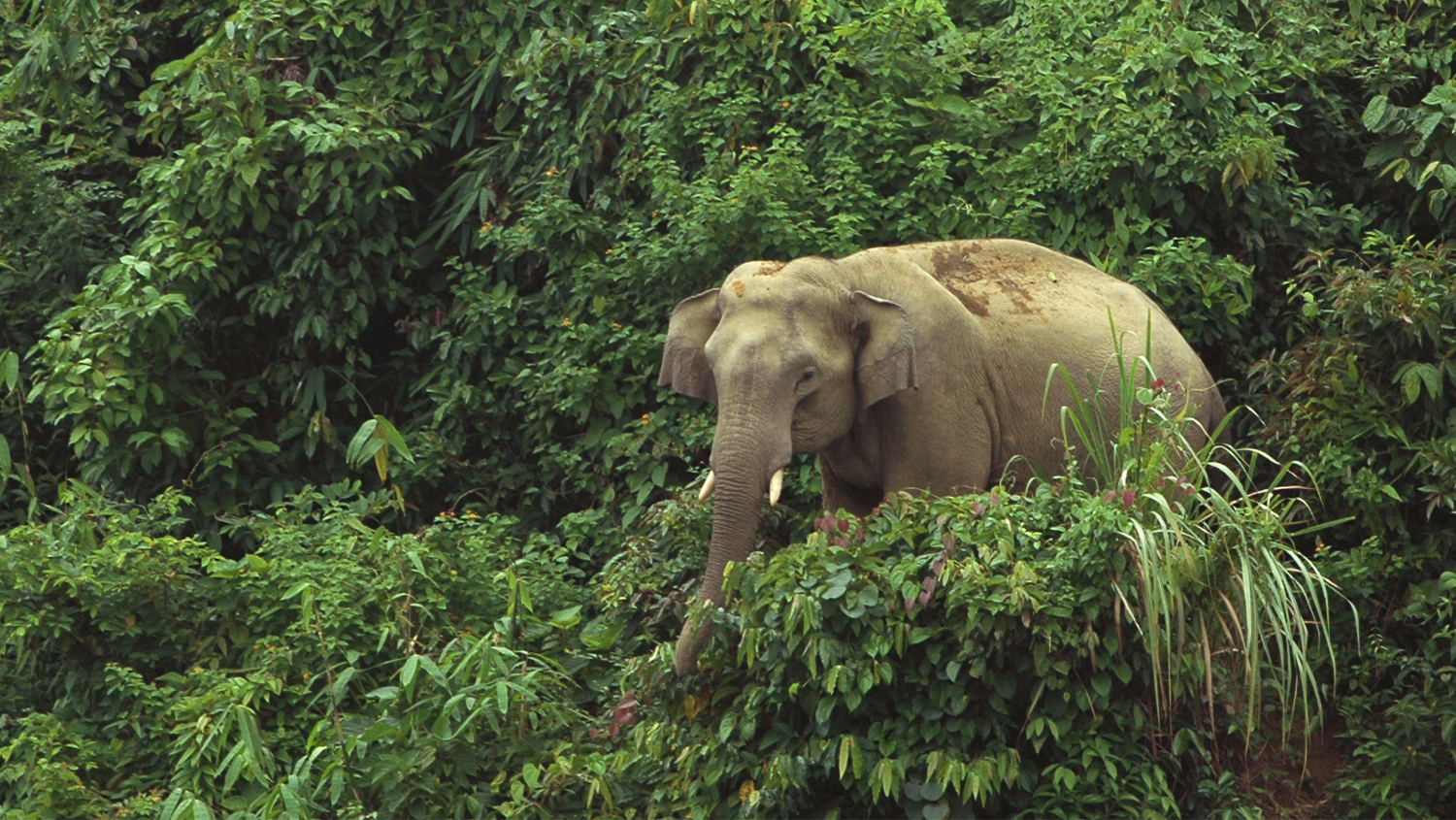
Bangladesh’s wild Asian elephants (Elephas maximus indicus) are an endangered species that can be found in the forests of the Chittagong Hill Tracts (CHT) and the divisions (equivalent to a province or state) of Chattogram, Cox’s Bazar, Mymensingh and Sylhet.
Due to habitat loss, rapid degradation of natural forests and encroachment by people into elephant reserves, the animals are increasingly being forced out of the forests in search of food. Lots of food: an Asian elephant generally consumes more than 150 kilograms (330 pounds) of vegetation and about 140 liters (37 gallons) of water a day. Read More...