Bank of Greece Warns of Lavish Pre-Election Promises
-
 Loading...
 - Tadeo Carrillo
- 10 May 2023
- 89 Views
- 0 Like
- 0 Comment
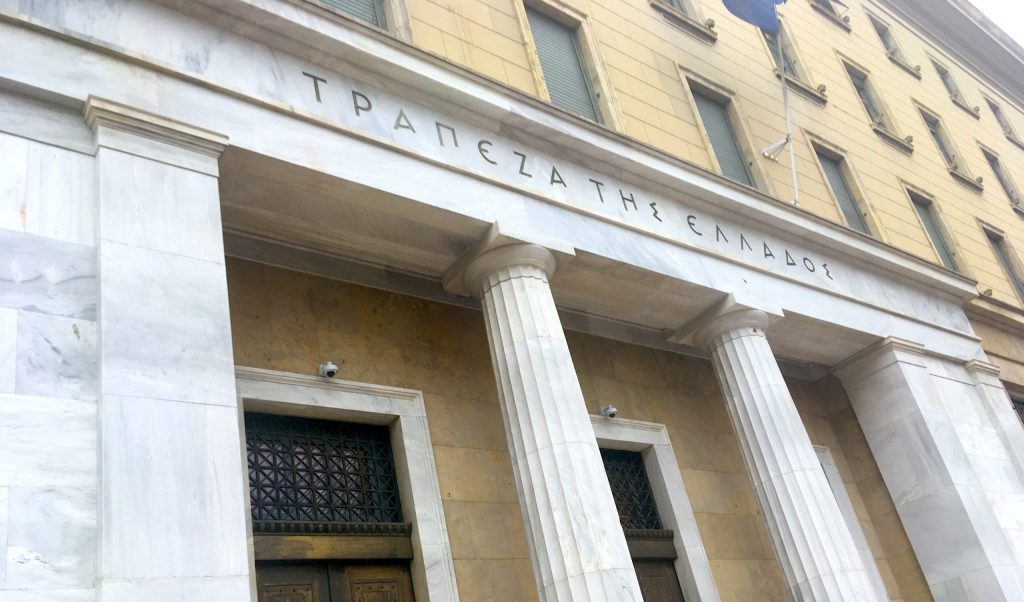
The governor of the Bank of Greece (BoG), Yannis Stournaras, issued a warning to political parties in Greece on Wednesday that their pre-election promises could have detrimental effects on the economy. Stournaras emphasized that “The analyses carried out by BoG have pointed out the dangers inherent in fiscal populism due to the pre-election period” and that it would be unthinkable for the upcoming elections to compromise the accomplishments that have been achieved with great sacrifices.
There is currently a heated competition between the governing New Democracy and the main opposition SYRIZA, both of which are making extravagant promises and pledges prior to the parliamentary elections on May 21. However, Stournaras stressed that there is no fiscal room for Greece to accommodate these pre-election announcements. While acknowledging that many statements made before the election are not likely to be carried out, Stournaras reminded the public that their promises could still have serious consequences.
Recently, Prime Minister Kyriakos Mitsotakis unveiled his plan to introduce a "Youth Pass," which offers 150 euros of support for each young person who comes of age, with 200,000 beneficiaries annually. The support is intended for cultural and tourist activities, as well as for transportation. Additionally, Mitsotakis promised to reduce the ENFIA property tax by 10% if property owners insure their properties against natural disasters, and to increase the salary of civil servants through family allowances. He also pledged to raise the average income of Greek workers to 1,500 euros over the next four years.
On the other hand, SYRIZA promised a 10% increase in the salaries of public sector employees, a 7.5% increase in pensions, an extra month of pension, and a reduction in taxes on gasoline and value-added tax (VAT) on food. Furthermore, the Leftist party pledged to increase the tax-free limit to 10,000 euros and allocate 7.5% of Greece's gross domestic product (GDP) to healthcare and 5% to education.
According to New Democracy, the cost of SYRIZA's program is over 20 billion euros per year. Stournaras mentioned that there has been a clear improvement in Greece's fiscal situation in recent years, especially after the pandemic, due to the overperformance of the economy, the positive impact of inflation on indirect taxes, and the increase of electronic transactions.
Nevertheless, Stournaras remarked that the country still has the highest debt in Europe as a percentage of GDP, and it has not yet reached investment grade. The Bank of Greece has yet to achieve a cyclically adjusted primary surplus of 2% of GDP, which is necessary for the long-term sustainability of the public debt. Stournaras expressed his hope that the newly elected government would maintain fiscal prudence and that its programmatic statements would be consistent with the country's fiscal balance conditions. Additionally, he called for appropriate reforms to increase the growth rate.