Baobab for Hair: Benefits and How to Use It
-
 Loading...
 - Luiz Almeida
- 18 Jul 2022
- 117 Views
- 0 Like
- 0 Comment
Native to certain regions, there’s a good reason baobab is often referred to as the “tree of life.” “Its various components together are a great source of many important vitamins and minerals,” says Dr. Rachel Maiman, MD, FAAD, board-certified dermatologist. “For instance, the pulp of the baobab tree is rich in vitamin C and other antioxidants, as well as in several key minerals like potassium, magnesium, iron and zinc. The leaves, on the other hand, are rich in calcium and easily digestible protein, whereas the seeds and kernel of the plant are loaded with fiber, fat and other micronutrients like thiamine, calcium and iron.”
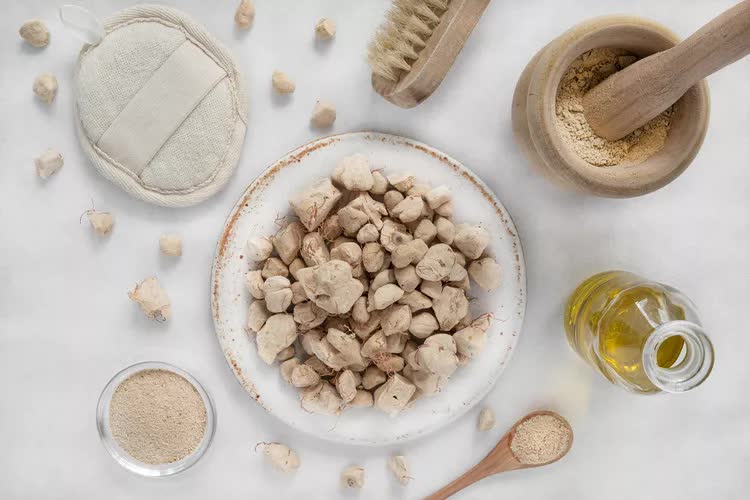
Known for its many uses, it’s no surprise that baobab is hero ingredient in hair care. However, fresh baobab is hard to come by in most parts of the world, so it is more commonly found in powder form or, less commonly, as an oil, explains Dr. Maiman.
TYPE OF INGREDIENT: Plant
MAIN BENEFITS: Strengthens hair, fights frizz, and deeply hydrates
WHO SHOULD USE IT: Anyone looking for stronger, smoothed, or conditioned hair
HOW OFTEN YOU CAN USE IT: Daily, in a formulated product
WORKS WELL WITH: Conditioners, masks and leave-in treatments.
DON'T USE IT WITH: It plays well with other ingredients
What Is Baobab?
“Baobab produces a fruit and the pulp, leaves, and seeds of the baobab fruit have been associated with many health benefits,” says Elizabeth Bahar Houshmand, MD, double board-certified cosmetic dermatologist and founder of Houshmand Dermatology and Wellness. “It has been called the ‘tree of life’ since the baobab tree has so many uses and the tree itself can survive for many years.”
A good source of many important vitamins and minerals, the pulp is high in vitamin C, antioxidants and minerals like potassium, iron and zinc. “Baobab is known for its moisturizing properties, which is great for dry skin on the face and body and can be used on the scalp,” Dr. Houshmand says.
In hair care products, baobab is most often encountered as an oil. “It can be found in conditioners, leave-on hair masks, scalp and hair oils, leave-in conditioners, styling creams and even shampoos,” Dr. Maiman says.
Benefits of Baobab for Hair
“Baobab’s abundance of minerals like zinc and potassium is helpful for the general health of any tissue because optimal cellular metabolism is reliant on appropriate ratios of these minerals,” Dr. Maiman says. Ahead, are some examples of its benefits.
1. Hydrates: “Much like in the skin, omega fatty acids found in baobab oil are also moisturizing for the hair cuticle and so can be used topically in the management of dry and frizzy hair,” Dr. Maiman says. “Its abundance of hydrating vitamin E also makes baobab oil helpful in the management of a dry scalp.”
Smoothes and helps processed hair: “The oil is rich in omega-3 fatty acids and other fats, including palmitic acid, oleic acid and linolenic acid,” Dr. Houshmand says. “These are great if your hair is dry or processed, meaning color-treated or highlighted.”
2. Boosts hair growth: “Baobab oil, which is made from pressing baobab seeds and extracting the resulting oil, provides a balance of omega 3, 6 and 9 fatty acids,” Dr. Maiman says. “Fatty acids help keep the outermost layer of our skin strong and healthy, and subsequently prevent moisture from escaping, while also helping to smooth the surface of the skin. As far as the role of omega fatty acids in hair, research is limited. However, a few studies suggest that omega-3s may aid hair growth. For instance, a 2018 study found that fish oil, a key source of omega-3 fatty acids, stimulated hair growth in rodents.”
A 2015 study in humans looked at the effect of an omega-3 and omega-6 fatty acids containing supplement on female-pattern hair loss. Of the 120 participants, half took the supplement for six months and the other half did not. The scientists found that the treatment group had more hair in the active-growth phase than the control group.
3. Eases dandruff: “The vitamin A in baobab oil assists with dandruff by speeding cellular turnover and thus acting as a chemical exfoliant,” Dr. Maiman says. “It also increases blood flow to the follicle, which may optimize delivery of vital nutrients and oxygen for hair growth and health.”
4. Helps collagen: The baobab plant is rich in vitamin C. “Vitamin C is a critical cofactor in the synthesis of collagen and elastin, important proteins that make up the bulk of the dermis (the thicker, meatier part of the skin) and so conveys the plumpness and elasticity associated with youth, as well as softens fine lines and wrinkles and protects against them forming,” Dr. Maiman says. “The role of collagen in hair health is less well defined, but there likely is one. Being that it is a major constituent of the dermis, collagen supports the scalp’s thickness. As is true for skin on the body, a thin scalp devoid of sufficient collagen is more susceptible to injury and is less capable of holding the hair follicle bulbs in place. Consequently, it is possible that loss of structural support may contribute to and increase one’s risk of hair loss. It is postulated that age-related collagen degeneration and dermal scalp thinning may be partly to blame for the thinning that tends to naturally occur as we get older.”
5. Fights free radicals: The baobab plant is an excellent source of polyphenol antioxidants. Antioxidants, which includes vitamin C, protect tissues from free radical damage. “Free radicals produced from various environmental insults, like UV radiation and pollution, damage cellular DNA and fragment critical structural proteins like collagen,” Dr. Maiman says. “By suppressing free radicals, antioxidants also reduce levels of inflammation.”
Hair Type Consideration
“Baobab is best used on hair types that are naturally dry, dehydrated and frizz-prone, as well as those that are damaged by heated styling and/o chemical processing,” Dr. Maiman says. “It is best avoided in those who have naturally oily hair who find the need to shampoo daily. Using baobab in this case will only exacerbate the problem.”
Prior to using baobab, it’s always best to play it safe and run it by your doctor first, especially if you have any health issues, cautions Dr. Houshmand. “The seeds and pulp of baobab contain phytates, tannins, and oxalic acid, which interfere with the absorption of nutrients,” she adds.
How to Use Baobab for Hair
Baobab is most often found in conditioning treatments and hair masks, so you can simply purchase a hair product that contains the hero ingredient. Generally speaking, baobab can be used daily since it’s gentle, but be cautious. “With natural oils, I recommend doing a small patch test on your inner wrist to make sure you don’t have a reaction before using on your face or scalp,” Dr. Houshmand says.
Baobab can be used with other oils, on its own, or mixed with masks or moisturizers. Dr. Maiman suggests three ways to use pure baobab oil. Read More...