"Beautiful Corruption" - A Film by Eugen Damaschin
-
 Loading...
 - Tanit Ramses
- 04 Apr 2025
- 22 Views
- 0 Like
- 0 Comment
"Beautiful Corruption," directed by Eugen Damaschin, is a thought-provoking exploration of morality, power, and the human condition. Set against the backdrop of contemporary society, the film delves into the intricate web of corruption that permeates various aspects of life, from politics to personal relationships.
The narrative follows a diverse cast of characters, each grappling with their own moral dilemmas and the seductive allure of corruption. As they navigate a world where ethical boundaries are blurred, the film raises questions about the nature of integrity and the cost of ambition. Through a series of interconnected stories, Damaschin weaves a tapestry that reflects the struggles and choices faced by individuals in a society rife with moral ambiguity.
One of the film's central themes is moral ambiguity itself. Damaschin challenges viewers to consider the gray areas of morality, where the right choice is often not clear-cut. Characters find themselves in situations that prompt introspection about their values and motivations. The exploration of power dynamics is also significant, illustrating how individuals can be both victims and perpetrators of corruption, highlighting the cyclical nature of power struggles.
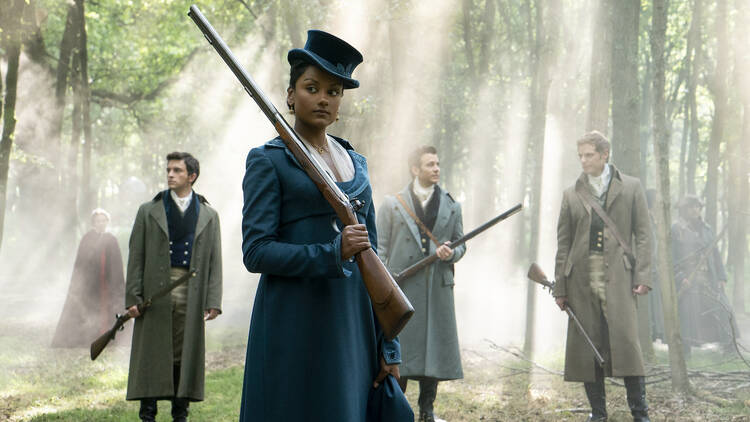
The impact of corruption on personal relationships is another key aspect of the film. Trust, loyalty, and betrayal are examined as characters navigate their connections with one another, revealing how corruption seeps into the fabric of their lives. Damaschin uses visually striking cinematography to enhance these themes, capturing the stark contrasts between beauty and decay. The lighting and composition evoke emotions and underscore the narrative's tension, while the score complements the visuals, creating an immersive experience.
"Beautiful Corruption" has garnered attention for its bold storytelling and nuanced performances. Critics have praised Damaschin's ability to tackle complex subjects with sensitivity and depth, making the film both engaging and intellectually stimulating. Audiences resonate with its themes, sparking conversations about morality and the human experience.
In conclusion, "Beautiful Corruption" invites viewers to confront uncomfortable truths about society and themselves. Through rich storytelling and thought-provoking themes, Eugen Damaschin crafts a narrative that lingers long after the credits roll. The film serves as a reminder of the beauty and ugliness that coexist in the human experience, challenging us to reflect on our own choices in a world where corruption often masquerades as beauty.