Before February: two films from Ukraine
-
 Loading...
 - Jantina Tueling
- 03 Oct 2022
- 69 Views
- 0 Like
- 0 Comment
The two Ukrainian films at this year’s LFF provide valuable insights into life immediately before the Russian invasion.
Ukrainian cinema is not as well known as it should be. If one includes films produced during Ukraine’s membership of the Soviet Union, its history dates back to the 1920s and Oleksandr Dovzhenko’s classic films Zvenigora (1928) and Earth (1930). Later landmarks include Sergei Parajanov’s Shadows of Forgotten Ancestors (1965) and Yuri Illienko’s A Well for the Thirsty (1965, released 1987), which inspired the era of Ukrainian Poetic Cinema. Film studios have operated in both Kyiv (founded 1928) and Odesa (1919) since the early years of cinema. Kira Muratova’s innovative Russian language films were almost all based in Odesa, with nine of them produced in the post-Soviet years.
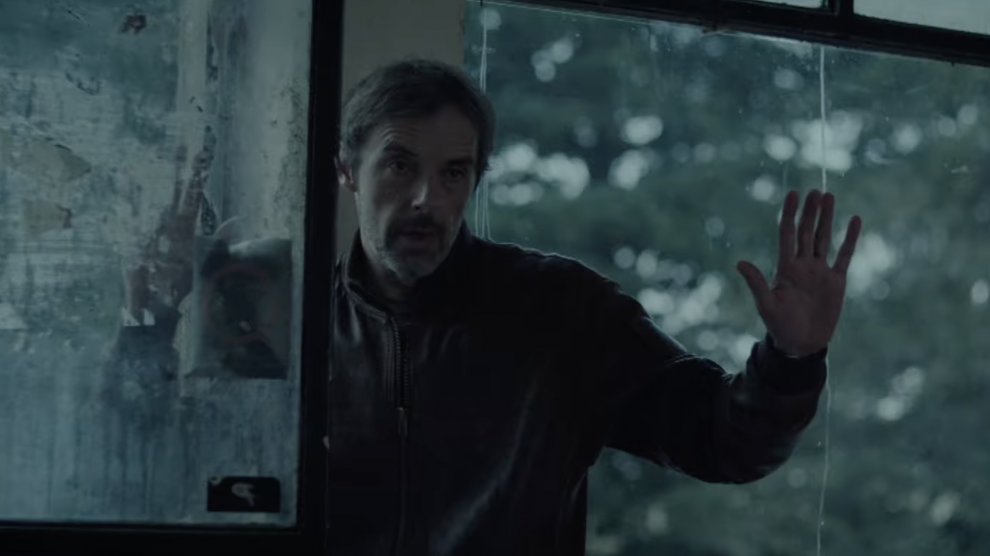
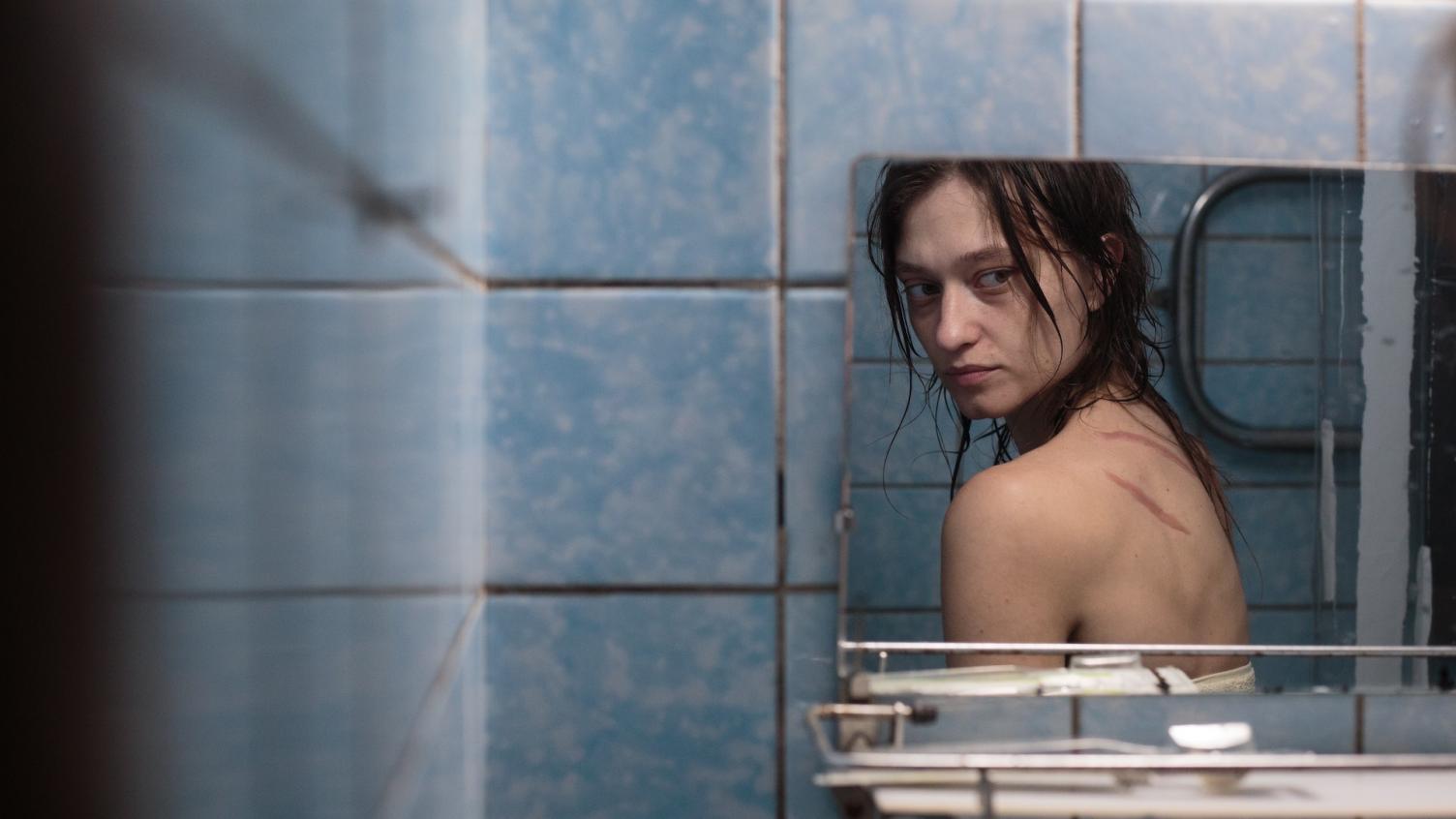
Ukrainian films have been a regular presence at the BFI London Film Festival. They have included Minor People (Muratova, 2001), At the River (Eva Neymann, 2007), House with a Turret (Neymann, 2012), The Tribe (Myroslav Slaboshpytskiy, 2014) and of course the films of Sergei Loznitsa – My Joy (2010), Maidan (2014), Donbass (2018) and Babi Yar: Context (2021). Although ‘international’ films with Ukrainian participation (in the best sense), Loznitsa’s films have an obvious relevance. Vitaly Mansky’s Close Relations (2016), another co-production, charted differing reactions to the Russian invasion of Crimea in 2014. Born in Ukraine, Mansky adopted Russian nationality (but moved to Latvia). In his film he visits relatives in Lviv, Odesa, Donbas and Sevastopol (Crimea), charting different reactions — and reflecting on the nationality of a Polish grandmother from Lithuania. It was a profound analysis of the contradictions of history, politics and identity. Loznitsa’s Donbass opted rather for an approach based on black humour and the absurd, analysing the human reaction and prejudice lying behind political events. The two films in this year’s festival, Klondike and Butterfly Vision, both completed before the current war, provide disturbing and powerful portraits of the realities that preceded it. Read More...