Before You Go Skydiving: What You Need to Know
-
 Loading...
 - Manger Bard
- 17 May 2023
- 71 Views
- 0 Like
- 0 Comment
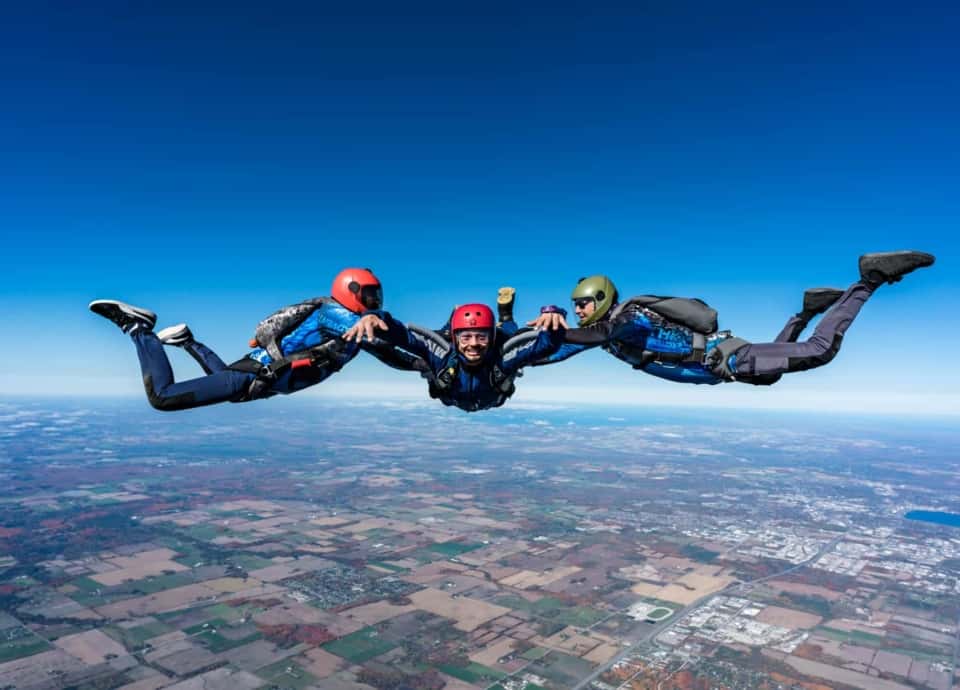
Skydiving is an adventure sport that involves jumping from an aircraft and freefalling through the air before deploying a parachute to descend safely back to the ground. This thrilling activity requires careful preparation and knowledge to ensure a safe and enjoyable experience. Here are some important things you need to know before you go skydiving:
1. Age and Health Requirements
Before participating in a skydiving excursion, it's crucial to check the age and health requirements set by the skydiving center. Most facilities require participants to be at least 18 years old and in good physical condition. Additionally, some centers may have weight restrictions to ensure safe parachute deployment.
2. Choose a Reputable Skydiving Center
Selecting a reputable skydiving center is paramount to your safety and overall experience. Look for centers with experienced instructors, excellent safety records, and positive reviews from previous customers. A trustworthy center will prioritize safety and provide thorough training before your jump.
3. Training and Tandem Jumps
First-time skydivers typically start with tandem jumps, where they are securely harnessed to an experienced instructor. This allows beginners to experience the thrill of skydiving while under the guidance of an expert. The instructor takes care of deploying the parachute and ensures a safe landing.
4. Safety Equipment
When skydiving, you will be equipped with essential safety gear. This includes a jumpsuit to protect your clothing, a helmet to protect your head, goggles to shield your eyes from wind and debris, and a harness that securely connects you to the parachute system. The instructor will provide detailed instructions on how to use and wear this equipment correctly.
5. Understanding the Risks
Skydiving, like any adventure sport, carries inherent risks. It's crucial to understand and accept these risks before participating. While skydiving centers prioritize safety measures, accidents can still occur. It's essential to be aware of the potential risks involved and make an informed decision about whether skydiving is right for you.
6. Weather Conditions
Weather plays a significant role in skydiving. Wind speed, cloud cover, and precipitation can affect the safety and feasibility of jumps. Skydiving centers closely monitor weather conditions and may postpone or reschedule jumps if conditions are unfavorable. Stay in touch with the center to ensure your jump takes place under optimal weather conditions.
7. Physical Fitness
While you don't need to be an Olympic athlete to skydive, a basic level of physical fitness is required. Being in good health and having reasonable mobility will make your experience more enjoyable. If you have any concerns about your physical fitness, consult with your doctor before attempting a skydive.
8. Clothing and Footwear
Wearing appropriate clothing and footwear is essential for comfort and safety during a skydive. Dress in comfortable, non-restrictive clothing that allows for free movement. Avoid loose items such as scarves or hats that may come loose during the jump. Opt for closed-toe shoes that won't slip off during the descent.
9. Plan for Time and Duration
Skydiving is an activity that requires time and patience. Allocate a substantial portion of your day for the entire experience, as the process includes training, safety briefings, and waiting for suitable weather conditions. Additionally, keep in mind that the duration of the actual skydive may be shorter than expected, as freefalling typically lasts only a minute or so.
10. Capture the Moment
Skydiving is a remarkable experience that you'll want to remember forever. Many skydiving centers offer photo and video packages, allowing you to relive your adventure and share it with friends and family. Consider investing in these packages to capture your exhilarating journey.
Frequently Asked Questions (FAQs)
1. Is skydiving safe?
Yes, skydiving is generally safe when proper precautions are taken. Reputable skydiving centers prioritize safety, provide thorough training, and maintain their equipment meticulously. However, like any adventure sport, there are inherent risks involved.
2. What if I'm afraid of heights?
Fear of heights is a common concern for potential skydivers. Surprisingly, many people with a fear of heights find skydiving to be a unique and liberating experience. The sensation of falling is different from standing on a tall building or cliff, as you don't experience the same sense of vertigo.
3. Can I eat before a skydive?
It's recommended to eat a light meal before skydiving to prevent hunger during the experience. However, avoid consuming a heavy or greasy meal that could cause discomfort or nausea during the freefall. Opt for easily digestible foods and stay hydrated.