Berlin museum that championed forgotten women artists for almost 40 years closes due to lack of funds

A Berlin non-profit that championed forgotten women artists through new research and exhibitions has closed down due to a lack of funds, passing on its archive and central mission to the Berlinische Galerie.
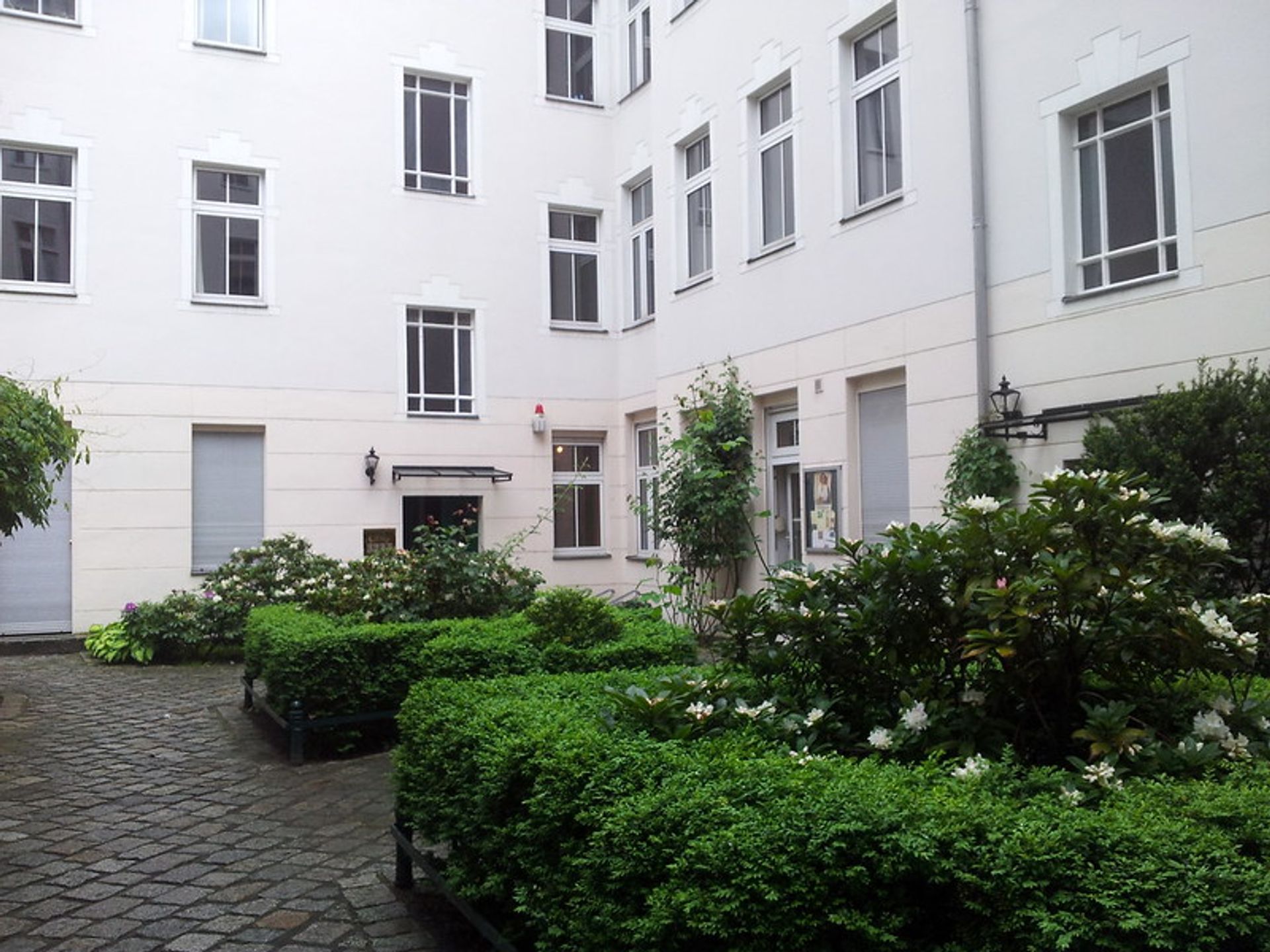
Founded by activists in 1986, the Verborgene Museum (hidden museum) rediscovered and promoted the work of more than 150 women artists, some of whom were renowned in their time but had since fallen into obscurity. Tucked away at the back of a courtyard in Berlin’s Charlottenburg district, it mounted on-site exhibitions but also collaborated with other institutions, including the Berlinische Galerie.
Although the organisation managed to secure funding from the Berlin Senate for rent and a half-time position, it still needed to raise additional money for individual projects. “It’s very hard to get funding to work on unknown artists,” says its longtime chief curator Marion Beckers. “It’s much easier if you’re working on Picasso.”
In the 1980s and 1990s, the Verborgene Museum focused on women photographers before state institutions had embraced photography, raising the profile of Eva Besnyö, Frieda Riess, Lotte Jacobi and Marianne Strobl, among others. “We often gave the impetus, and then others took up the baton,” Beckers says.
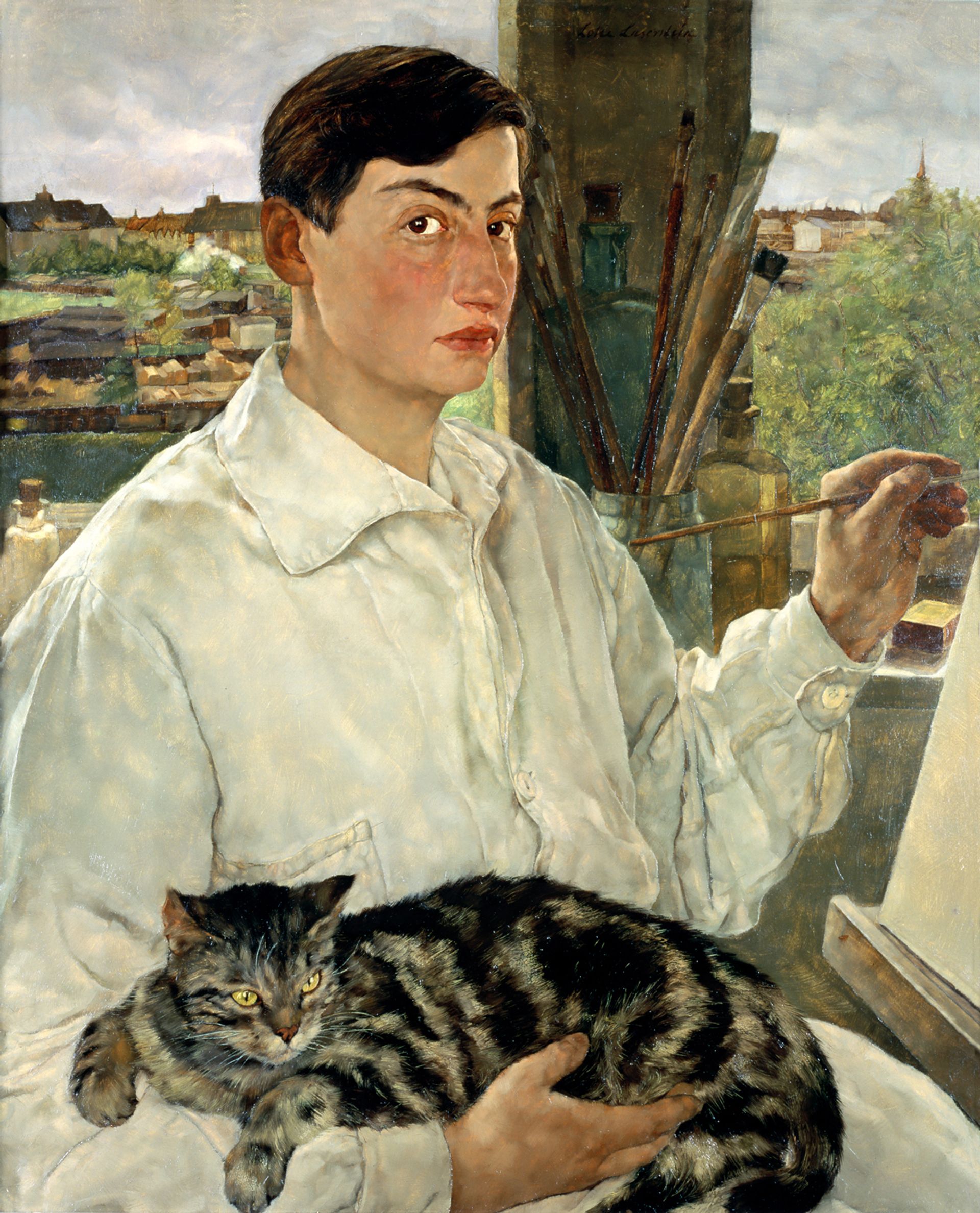
The Jewish painter Lotte Laserstein is perhaps the best example of an artist whose reputation took off thanks to the Verborgene Museum. Laserstein was well-known in Berlin before the Nazis came to power but her career was suddenly interrupted in 1937, when she fled Germany for Sweden, and she was largely forgotten.