Best cameras for vlogging in 2022: from mirrorless to pocket sized gimbal cameras
-
 Loading...
 - Mary Campbell
- 12 Apr 2022
- 334 Views
- 0 Like
- 0 Comment
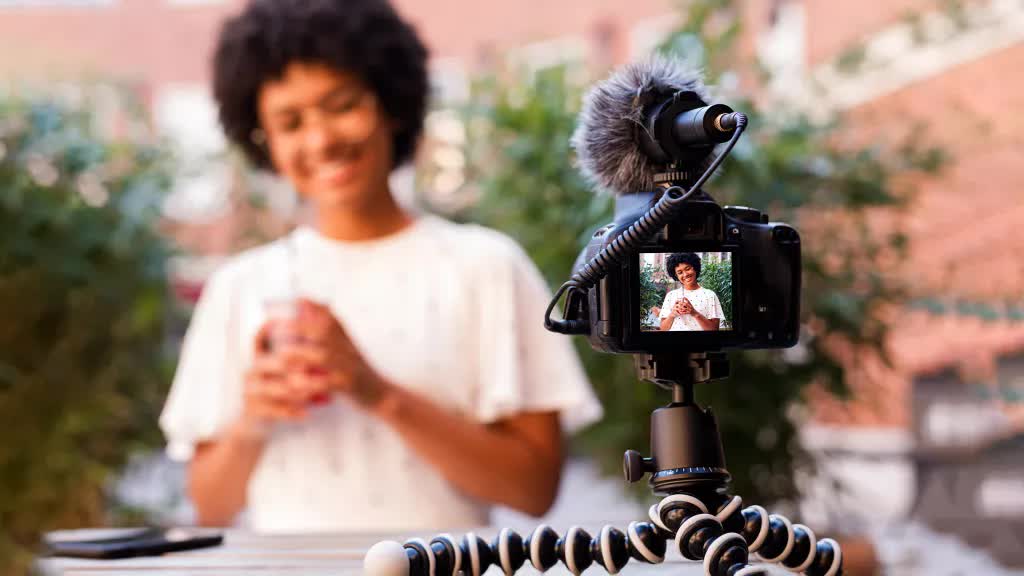
The best cameras for vlogging have certain features that made them perfect for this new style of content creation. More often than not, vloggers don't have anyone to help them film, they are solo content creators that rely on things like a flip-out screen, decent stabilization and mic input. Vlogging cameras can be anything from a compact action camera for the adventure seeker or larger mirrorless system that can shoot great pictures too. We've included a selection of different cameras to cover many different needs.
Deciding what kit to include in best cameras for vlogging was no mean feat but we think our final shortlist has something in it to suit everyone's needs and budgets. We've included the best all-rounders near the top and the more specialized, advanced systems appear lower down the list. They're all excellent cameras capable of producing excellent quality video but what you want to record and how much you want to spend will massively determine which is best for you.
There are so many cameras we could've included such as the Panasonic GH5 II(opens in new tab) but we opted for Panasonic S5(opens in new tab) instead as it's a full-frame camera that offers excellent image quality as well as 4K video and a lot of other handy features Who knows, once we've had a play with the brand new Panasonic GH6(opens in new tab) maybe that will take its place...
Most people associate vlogging with portable, video-focused mirrorless cameras, but the range of video content and styles that people want to create is expanding at breakneck speed, so we've adapted and expanded our guide to include a wider range of camera types.
With this in mind, we've added a section for compact and action cameras. For some kinds of filming, even the smallest mirrorless cameras can be too heavy, too expensive and perhaps too fragile. A compact or action camera might not give you the same high-end controls as a mirrorless camera, but it will be able to go places a mirrorless camera can't.
What should the best cameras for vlogging include?
1. Stabilization: If you plan to use your camera mostly on a tripod or with a gimbal stabilization won't matter too much. However, if you want to use your camera to shoot hand-held video, stabilization helps to achieve smoother shots. See: Best gimbals(opens in new tab)
2. Tripod: Any tripod will be fine if you're just recording static shots but if you want to start incorporating movement a tripod with a fluid video head will be much better. See: Best video tripods(opens in new tab)
3. Audio: If you want to record high-quality audio you'll need to invest in an external microphone. In-camera microphones often don't have the best audio quality, they aren't very directional and they pick up wind much easier. See: Best microphones(opens in new tab)
4. External recorder: Most cameras come with a record limit so if you're trying to shoot for more than 30 minutes the recording will stop. External recorders not only provide a bigger screen for you to see what you're recording, they offer more storage and enable you to capture higher quality video. See: Best external recorders(opens in new tab)
Interestingly, more and more makers are coming up with vlogging kits and vlogging accessories like these. We recently reviewed the Nikon Z6 II Essential Movie Kit(opens in new tab), for example, which comes with a SmallRig camera cage and Ninja V recorder.
The best vlogging cameras in 2022
MIRRORLESS CAMERAS
If you're a serious content creator, a mirrorless camera offers powerful video capabilities, the versatility of interchangeable lenses and almost all of them will take high-quality images too. While DSLRs such as the Canon EOS 90D shouldn't be ruled out, mirrorless cameras are stealing the limelight at the moment thanks to their more advanced features and better handling especially when it comes to vlogging.
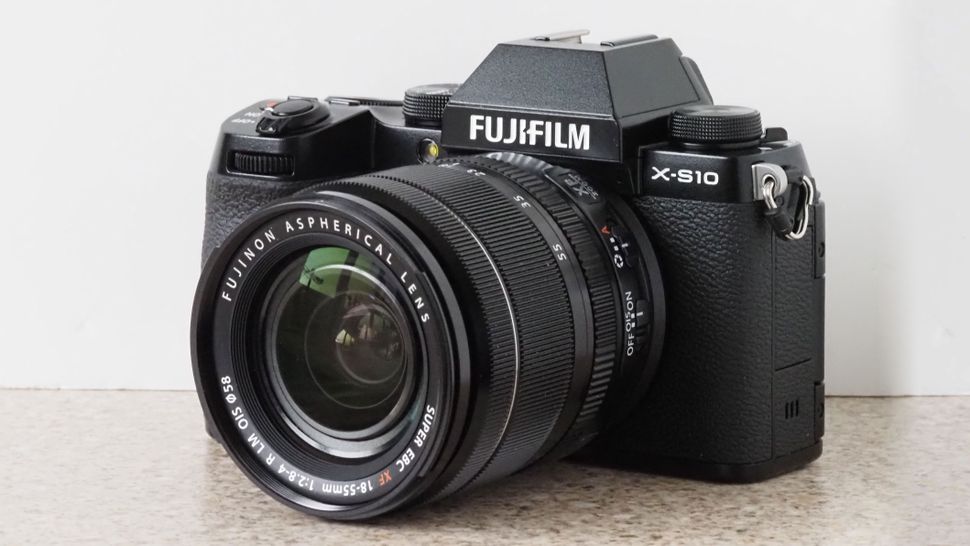
1. Fujifilm X-S10
An impressive lightweight camera packed full of advanced features such a 4K video and in-body stabilization
SPECIFICATIONS
Type: MirrorlessSensor: APS-CMegapixels: 26.1MPLens mount: Fujifilm XScreen: 3-inch vari-angle touchscreen, 1.04m dotsViewfinder: EVF, 2,360k dotsMax continuous shooting speed: 30/8fpsMax video resolution: 4KUser level: Intermediate/Expert
REASONS TO BUY
+Small size & excellent build quality
+Vari-angle touchscreen
+In-body image stabilisation
REASONS TO AVOID
-Not the cheapest
-Fujifilm fans won't like the new mode dial
The Fujifilm X-S10 (opens in new tab)is such a great camera in our eyes it even came first place in our best Fujifilm cameras(opens in new tab) guide. It doesn't have the external exposure dials you'd find on the Fujifilm X-T4 which might disappoint hardcore Fujifilm fans, however, it's still an impressive bit of kit. It features a flip-out screen (which is what makes it so good for vlogging), can shoot 4K video and has 6 stops of in-body stabilization. Should you also want to take photos thanks to its 26.1-megapixel APS-C sensor it can produce beautiful, high-quality images. For the feature, size and handling, this is probably the best APS-C camera you can buy at this price point.
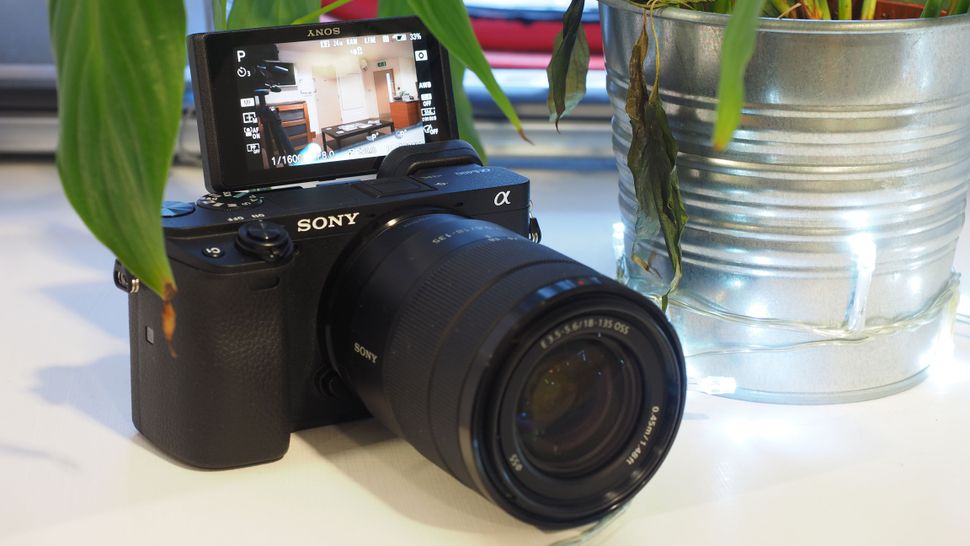
2. Sony A6400
The design might be a little outdated but the specs are still pretty impressive
SPECIFICATIONS
Type: MirrorlessSensor: APS-CMegapixels: 24.2MPLens mount: Sony EScreen: 3-inch tilting touchscreen, 921,000 dotsViewfinder: ElectronicContinuous shooting speed: 11fpsMax video resolution: 4K
REASONS TO BUY
+Image quality and resolution
+4K video performance
+Sophisticated autofocus
REASONS TO AVOID
-Design feels dated
-Tilting screen not vari-angle
Advertisement
The Sony A6400's front-facing camera makes it perfect for single-handed video shooters who need to talk directly at the camera. It has a 180-degree flip front-facing screen rather than a vari angle which would've been better but if you just need to see yourself, it shouldn't matter too much. If you're a multi-media content creator, the A6400 is also a great stills camera as well as being able to deliver 4K video. We're not sold on the design, it's practically the same as when the A6000 was released and it's starting to feel a bit outdated. However, we can just about let that slide due to its state-of-the-art focusing system and impressive Eye-AF performance. Since it's release, Sony has also brought out the slightly cheaper A6100 and the more advanced A6600 but for us, we think the A6400 hits the sweet spot for vloggers when it comes to cost and quality.
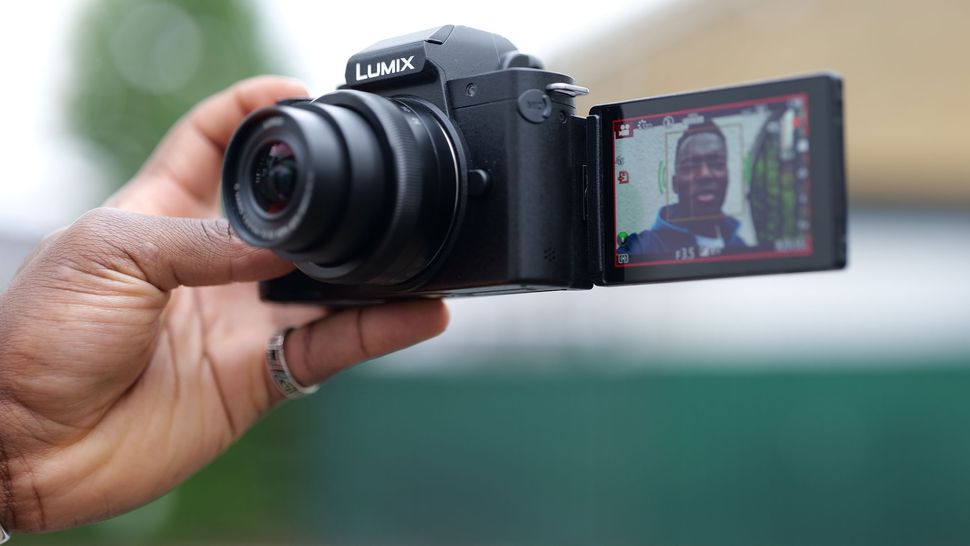
3. Panasonic Lumix G100
The perfect camera for vlogging on the go thanks to it's Micro Four Thirds sensor and compact design
SPECIFICATIONS
Type: MirrorlessSensor: Micro Four ThirdsMegapixels: 20.3Lens mount: MFTScreen: 3-inch vari-angle, 1,840k dotsViewfinder: EVF, 3.69m dotsMax continuous shooting speed: 10fpsMax video resolution: 4K UHDUser level: Beginner/enthusiast
REASONS TO BUY
+Quality video and stills
+Audio-recording capabilities
REASONS TO AVOID
-No in-body stabilization
-4K video crop
The Lumix G100 is a compact, easy-to-use camera that has an approachable button and menu layout. It;s simplicity will be a big pull for vloggers and creatives who don't want or need anything too complicated. That being said, it still delivers high-quality video and has desirable features such as a viewfinder should you also want to take stills plus it feels like a "proper camera" with its ergonomic grip. While it can shoot 4K, there is a crop factor so you're not making the most of the sensor. The vari-angle screen makes it great for recording yourself or even recording footage overhead or from the hip. However, it's worth noting the G100 doesn't;t have any in-body stabilization so you might have to invest in one of the best gimbals if you plan on doing a lot of handheld shooting. Overall, it's a compact, cute and quite cheap camera that does the job but is lacking a couple of features.
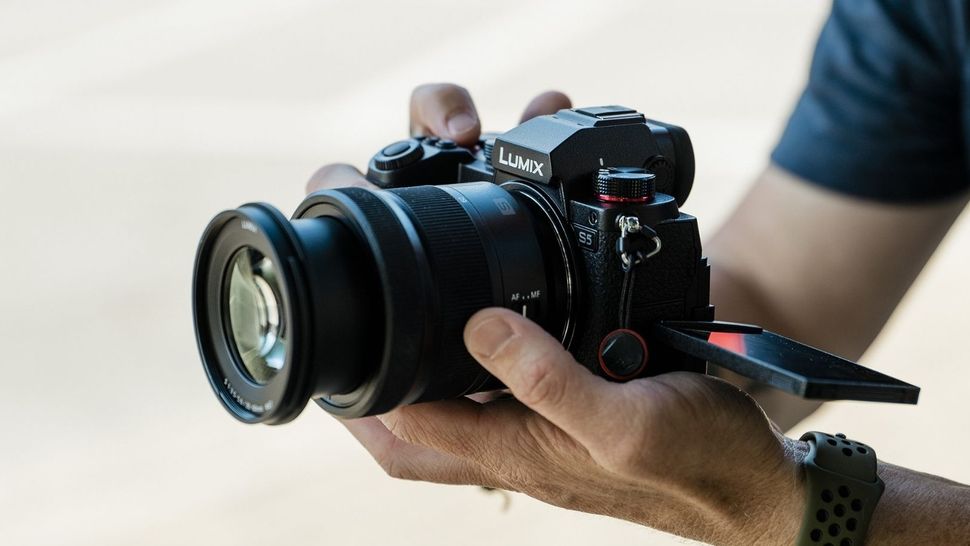
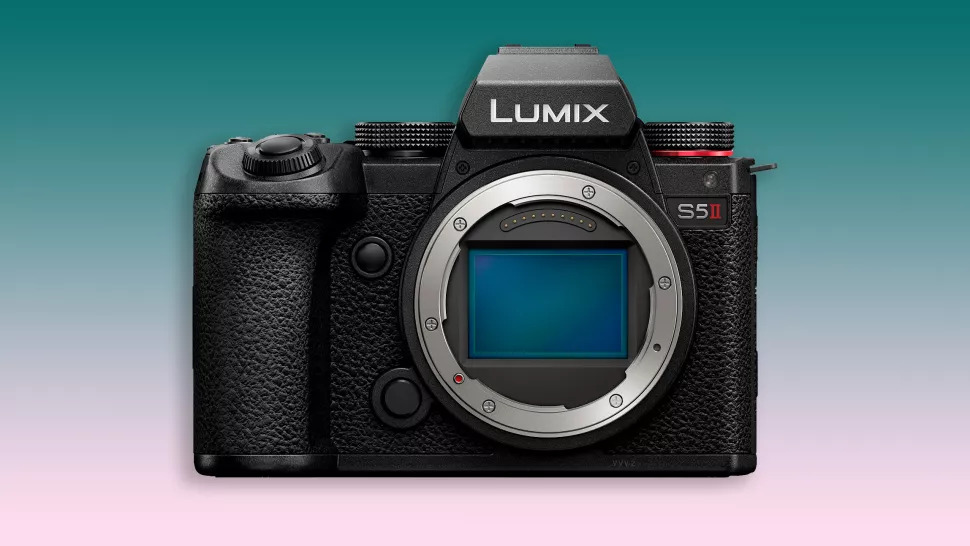
4. Panasonic Lumix S5
As long as you're not trying to shoot handheld selfies, the S5 is serious but of kit
SPECIFICATIONS
Type: MirrorlessSensor: Full frameMegapixels: 24.2MPScreen: 3-inch vari-angle, 1,840k dotsViewfinder: Electronic, 2,360k dotsLens: L-mountContinuous shooting speed: 7fpsVideo: Uncropped 4K UHD up to 60/50pUser level: Intermediate/expert
REASONS TO BUY
+Best in-class video performance
+Magnesium frame and vari-angle screen
+Dual SD card slots
REASONS TO AVOID
-HDMI port not full-size
-Only contrast AF
The Lumix S5 might be on the larger size for a vlogging camera, but with a full-frame sensor, 6.5 stops of image stabilization and a weather-resistant body we think it deserves this spot. Even though the Panasonic GH5 II is newer, you got a lot more camera for the same money with the Lumix S5 and it's much better in low light. It has a fully articulated screen which makes it perfect for self-recording, 14+ stops of dynamic range and 4K video. Perhaps the only downside to this powerhouse of a camera is that it uses contrast AF rather than phase-detect AF which is often not as responsive. If you want a camera that's going to be good for stills and video, the Lumix S5 offers 96MP high-resolution RAW+JPEG capture. If you're a serious filmmaker then perhaps the feature of the Lumix GH5 will tempt you more but we think the Lumix S5 gives you more for your money. Read More...