Best Time to Visit Venezuela in 2023 | When to Go
-
 Loading...
 - iris myanew
- 31 Mar 2023
- 63 Views
- 0 Like
- 0 Comment
Whether you want to bask in the sun all day on a local beach or have an adventure-packed holiday, Venezuela has you covered. However, the activities you can expect to engage in will largely depend on when you visit.
While Venezuela is a year-round destination, it has these so-called dry and rainy seasons. That’s why it’s important to know more about the seasons before booking your trip, as they may be different from yours depending on where you travel from.
We’ve rounded up the best, cheapest, least busy, and worst times (if such a thing even exists) to go to Venezuela to help you make an informed decision.
Why You Should Visit Venezuela
Venezuela is home to incredible landscapes, some fine beaches, astonishing lakes, rivers, wild forests, mountains, and interesting wildlife.
Because of this wide range of attractions available to tourists in this country, it’s more than certain you’ll find something to satisfy your wanderlust needs.
If this sounds tempting, but you’re still hesitant, let’s look through a list of more specific reasons why you should add Venezuela to your bucket list right now.
Must-visit reasons include:
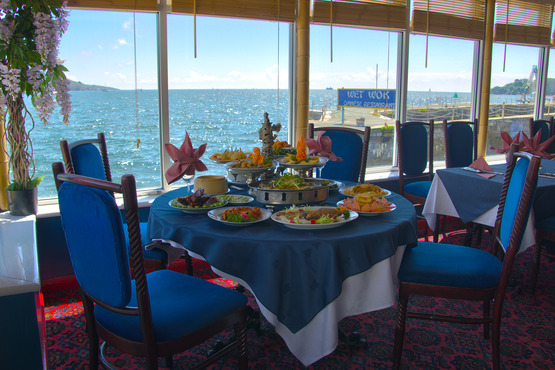
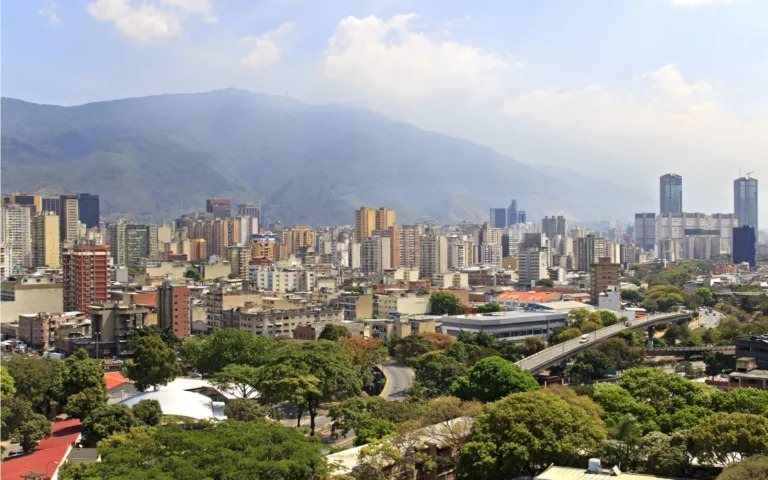
Venezuelan cuisine. Venezuela has one of the most savory South American cuisines. Its dishes are unique, and while you can enjoy them all throughout the country, going to Caracas, the capital city, gives you access to a plethora of restaurants spread out across the entire city. We dive deeper into the Venezuelan food scene in the FAQ section.
Colorful wildlife. Venezuela’s rich fauna features many reptilian, mammalian, and amphibian species. There are many species worth seeing, but the Orinoco crocodile and the Amazonian pink river dolphin are some of the most stunning creatures.
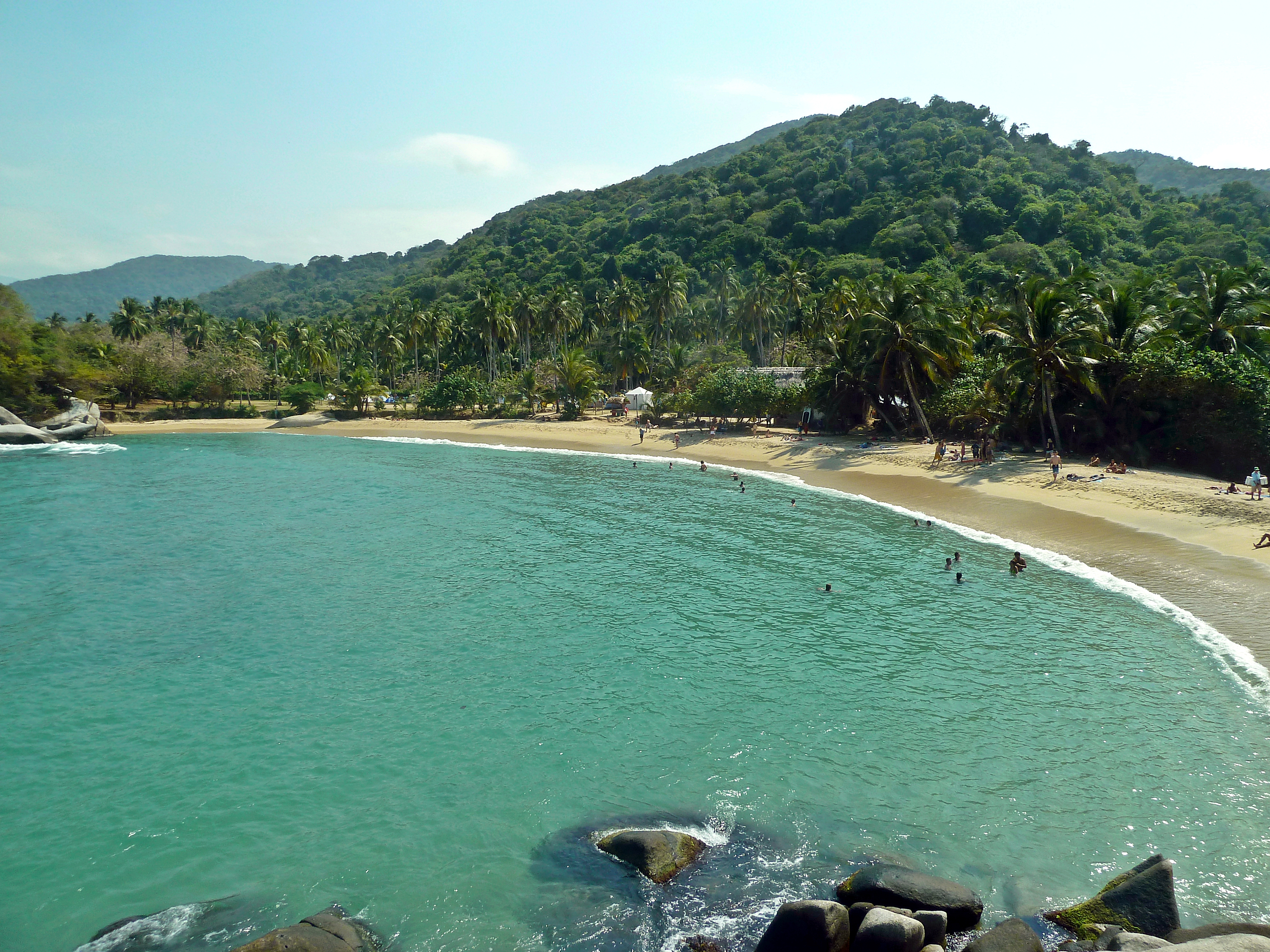
Stunning beaches. Getting ready to go to a Venezuelan beach means preparing for a hot, tropical climate. It has 151 miles of coastline, including everything from water sports venues for adventure seekers to secluded beaches for beach loners.
Picturesque mountains. (the tallest Venezuelan mountain), Pico Humboldt (Venezuela’s second highest peak), Mount Roraima (the highest mountain of the so-called Pakaraima chain of tepuis), and Pico la Concha (in the Andes of Venezuela) all provide breathtaking scenery, and the surrounding lush forests are exquisite.
The Merida cable car. Do you know that the highest and second longest cable car in the entire world is located in Venezuela? For those who love a bit of thrill and heights, the Merida cable car is a must-do experience. With a height of 15,633 feet and a length of 7.8 miles, the Merida cable car is anything but an ordinary adventure.
Lake Maracaibo. Being one of the oldest lakes in the world and South America’s largest one, Lake Maracaibo is also known as “the lightning capital of the world.” Allegedly, there are more lightning strikes on Lake Maracaibo than anywhere else.