Bitcoin Could Solve Zimbabwe's Hyperinflation Problem—Instead, The Country Is Telling Impoverished Citizens To ‘Just Buy Gold'
-
 Loading...
 - Christine Mulwa
- 01 Aug 2022
- 82 Views
- 0 Like
- 0 Comment
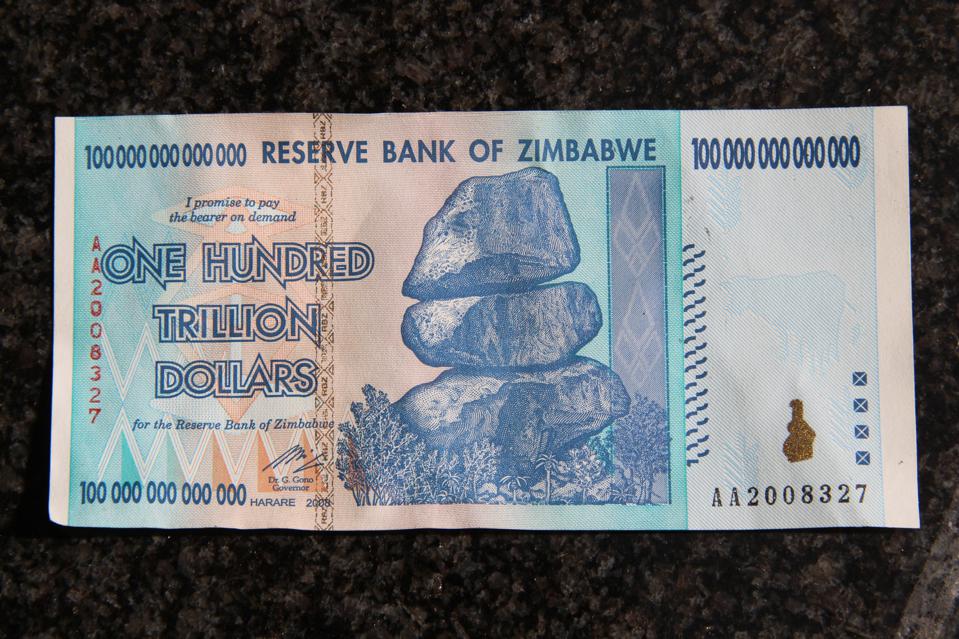
It should come as no surprise that the country with the single worst track-record for hyperinflation since World War II—Zimbabwe, whose local currency depreciated at a rate of 79,600,000,000% a month in 2008—has come up with another harebrained scheme to end its economic problems.
The southern African nation has begun minting one-ounce gold coins—and it wants citizens to use them instead of US dollars.
“We know what you have been going through in terms of the fear factor of [the Zimbabwean dollar] losing value, and therefore we are providing this gold coin,” John Mangudya, head of the Reserve Bank of Zimbabwe, told local media at an event introducing the Mosi-oa-Tunya coins, which are named after Victoria Falls, Zimbabwe’s best known attraction.
He argued that because gold is a store of value, the coins will ensure that Zimbabweans no longer need to “run to the parallel market in search for foreign currency.”
There’s a lot to unpack there, so let’s start with a quick refresher on Zimbabwe’s currency adventures:
· The Zimbabwean dollar was introduced in 1980 and has always been a poor store of value. It succumbed to hyperinflation in the first decade of this century, when incompetent and corrupt officials printed successively larger banknotes in a futile effort to keep the currency alive.