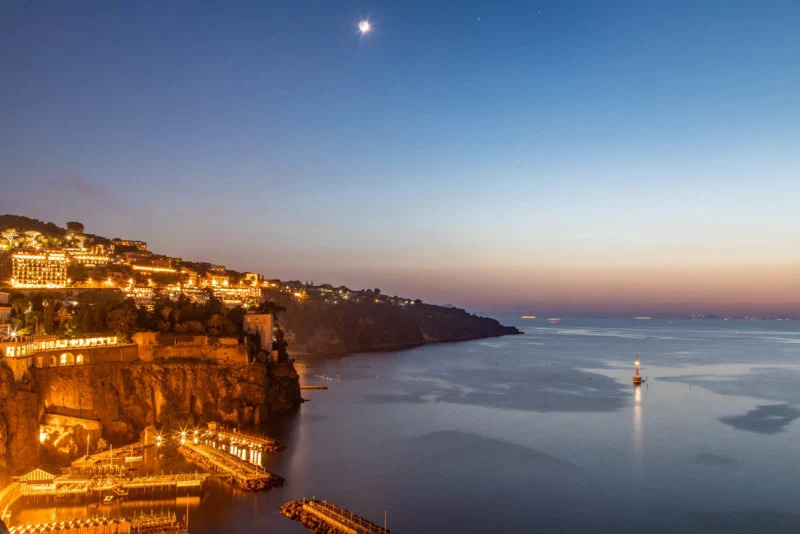
Blue Hour: The Photographer's Guide
-
 Loading...
 - Freja Jensen
- 06 Jul 2022
- 113 Views
- 0 Like
- 0 Comment
The period of time when the sun is just below the horizon is commonly referred to as “blue hour,” and comes directly before or after golden hour depending on the time of day. While most people know about golden hour’s benefits for photography, blue hour is often left out when thinking about optimal lighting conditions.
This guide will teach you about blue hour, when it happens, and how to use blue hour to your advantage as a photographer.
What is Blue Hour and Why is it Useful?
Similar to golden hour, blue hour is not exactly one hour. Instead, it varies based on location, the weather, and the time of year. Generally speaking, blue hour is about half an hour before sunrise and after sunset, when light takes on a blue color. There is no definition of exactly when blue hour starts and ends, although some websites say that blue hour ends when nautical twilight (when the sun is 12 degrees below the horizon) begins.
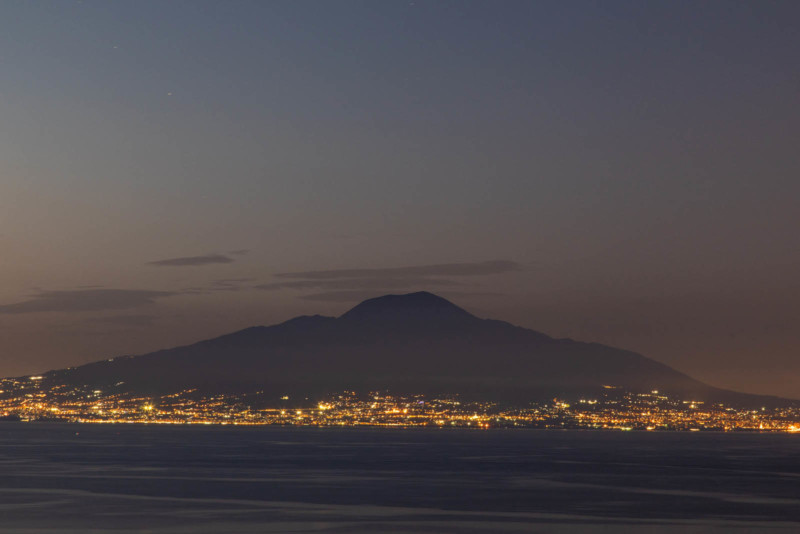
On a more scientific level, blue hour happens because of Chappuis absorption. This principle is based on the fact that red light wavelengths pass through space while bluer light with shorter wavelengths is scattered in the atmosphere. This means that mostly blue-light wavelengths reach the Earth’s surface when the sun is just below the horizon, creating the effect that we call blue hour.
Blue hour is particularly desirable for photographers because of its soft and moody light. There are no harsh shadows, and most blue hour scenes do not have a particularly high dynamic range. While golden hour may evoke a warm and calming mood, blue hour is often the opposite–a cool and ominous one. Perhaps one of the greatest reasons to shoot blue hour, however, is that you are almost guaranteed to have less of a crowd if you’re in a popular location than at golden hour. It’s more peaceful and easier to be creative with fewer people rushing to get “the shot.”
One final bonus of blue hour is that it is not as weather-dependent as golden hour is. Golden hour requires sunlight to get the warm, glowing light that photographers love, but blue hour can be cloudy and still be a great time for photography. In fact, clouds often make blue hour landscapes more interesting.
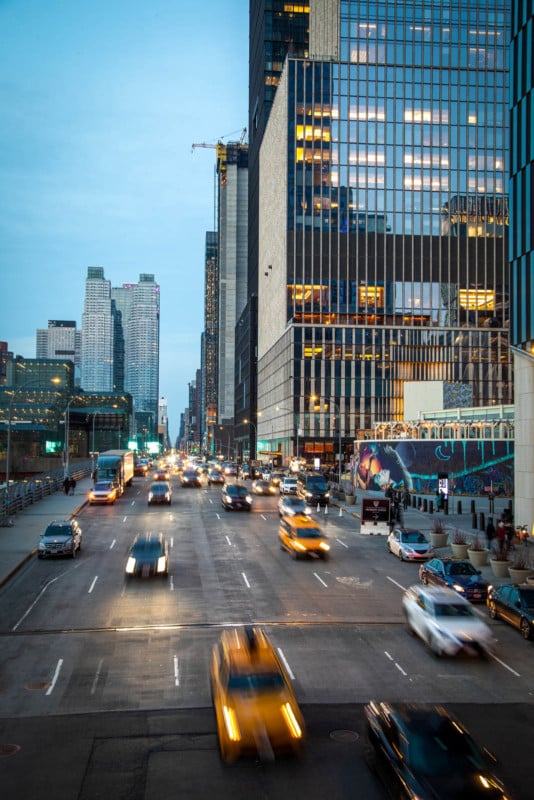
When is Blue Hour?
Blue hour is even less defined than golden hour, and neither are exact times of the day. Generally, blue hour is about 30 minutes before sunrise and after sunset, but you can always give yourself more time to be safe. You can find the sunrise and sunset times for your location by simply searching for them on a search engine. It’s important to note that different locations will have different sunrise and sunset times, so keep that in mind if you’re traveling.
If you’d prefer to have all your information in one place, there are useful photography planning apps, such as PhotoPills and The Photographer’s Ephemeris (also a web app) that will tell you each day’s sunrise and sunset times, as well as the blue hour times that correspond with those.
While the apps will give you a good idea, each one uses a different metric to gauge when blue hour “starts and stops,” so you may want to give yourself some room on each end. Read More...