Bolsonaro sacks energy minister
-
 Loading...
 - Fernanda Barbosa
- 12 May 2022
- 303 Views
- 0 Like
- 0 Comment
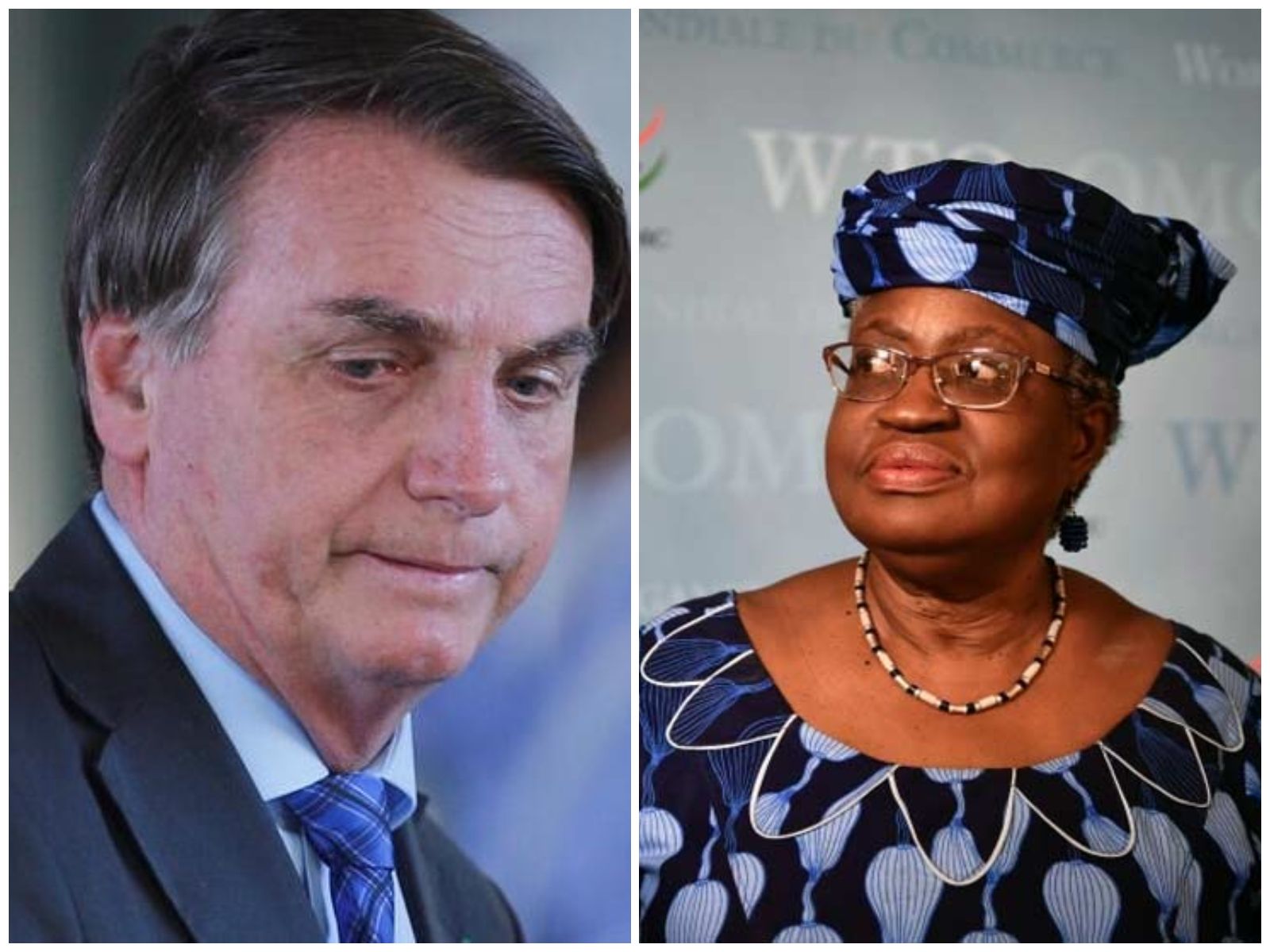
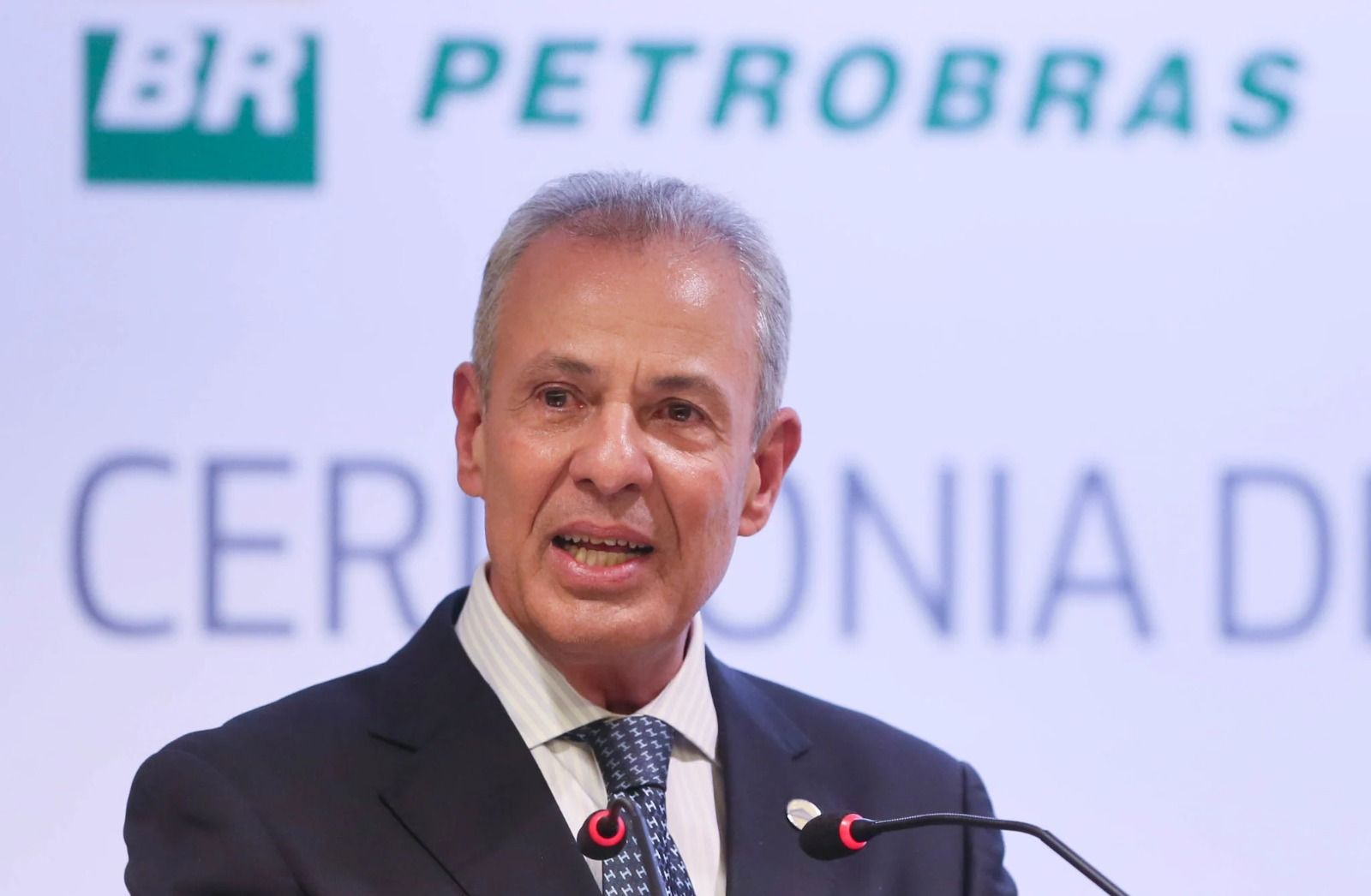
Brazilian President Jair Bolsonaro chose to replace Energy Minister Bento Albuquerque just one day after an 8.87% increase in the price of diesel fuel at Petrobras' refineries.
Albuquerque was asked to turn in his resignation and will be replaced by Adolfo Sachsida, who has served under Economy Minister Paulo Guedes as a special advisor since February 2022. Previously, he had been Economic Policy Secretary since the beginning of Bolsonaro's administration.
Last week, Bolsonaro had directly instructed Petrobras President Jose Mauro Coelho and Albuquerque to hold all increases in the price of fuel. The head of state reminded the two officials that there was a war going on and that in such a scenario the company's profits were outrageous. Shouting, during a live broadcast on social media, Bolsonaro said the profits recently recorded by the company were “a rape,” which benefitted foreigners with the Brazilian population picking up the tab. Bolsonaro's warning towards Petrobras came right before the company announced profits worth R$ 44.561 billion (US$ 8.7 billion) in the first quarter of 2022.
Sachsida is said to be a fervent Bolsonarist, with a PhD in Economics and a law degree. He is the author of books and technical articles on economic, monetary, and fiscal policies, public policy evaluation, and taxation. He has taught at several Brazilian universities, including the Catholic University of Brasilia, where he was director of the undergraduate and master's degrees in economics. He was also a professor of economics at the University of Texas, in the United States.
“I thank President Jair Bolsonaro for his trust, Minister Guedes for his support, and Minister Bento for his work on behalf of the country. With a lot of work and dedication I hope to be up to this, which is the greatest professional challenge of my career. With the grace of God we will help Brazil,” Sachsida posted on social media.
In a meeting with reporters in March, the new minister had said that “we have to be very careful that the measures taken don't worsen the situation. This is why the economy is against certain measures, because even though the intention is good, the result can be bad. We have to work so that the result is also good.” Read More...