Brazil planning a second tariffs cut without Mercosur endorsement “to protect people's lives and healthâ€
-
 Loading...
 - Francisca Morales
- 19 Apr 2022
- 309 Views
- 0 Like
- 0 Comment
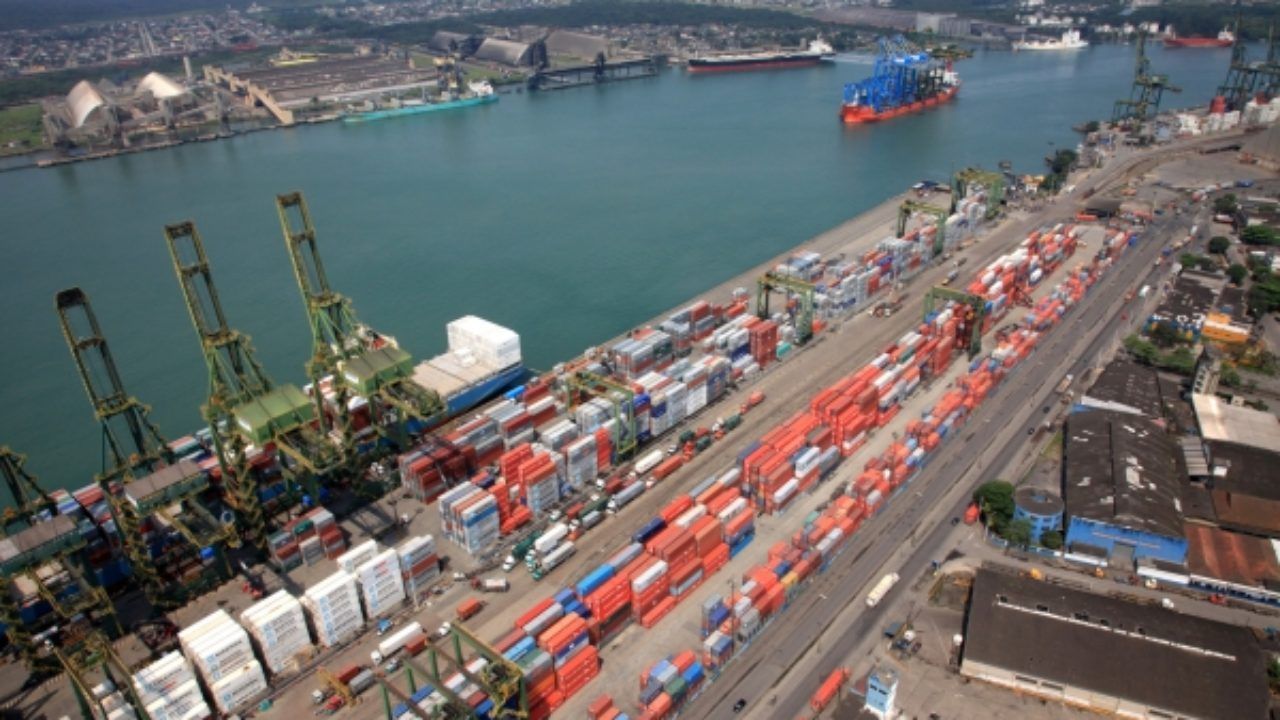
Brazil is considering a further reduction in import fees without having the endorsement of Mercosur country members, reports O Estado de Sao Paulo. The idea is to cut Import Tax rates by another 10% on most products traded with countries outside the bloc.
November last year, the Ministries of the Economy and Foreign Affairs announced a 10% reduction in the 87% of the trade tariff package, keeping out goods such as automobiles and sugar and alcohol, which already have a different treatment by Mercosur. A new cut of the same amount and with the same exceptions is under study.
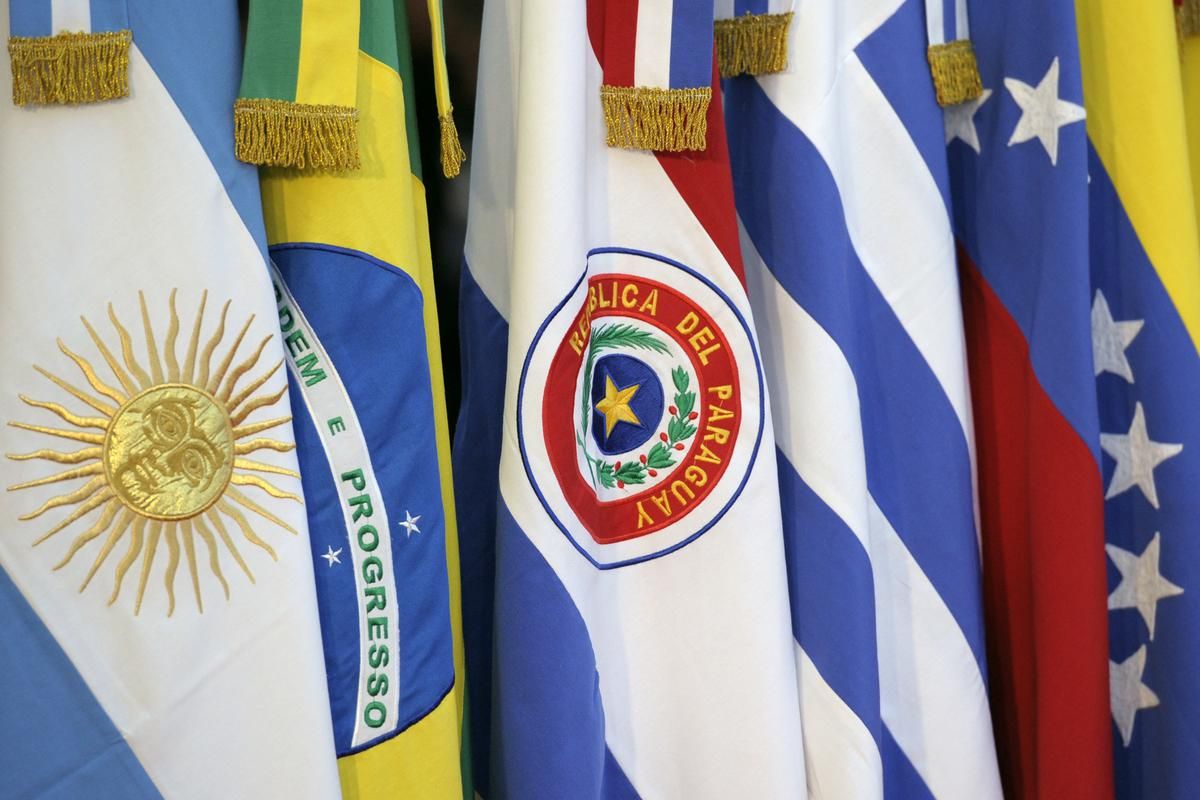
Under Mercosur rules, the Common External Tariff (TEC) charged on purchasing products from outside the bloc can only be changed by mutual agreement by the four countries of the bloc – Brazil, Argentina, Paraguay, and Uruguay. To avoid the rule, Brazilian government must resort to a device that allows adopting measures aimed at “protecting people’s lives and health”.
In November, the Brazilian government stated that, with the coronavirus pandemic, there was a rise in prices that the government could minimize with an “import shock”. Now, with prices rising even more, especially amid the conflict in Eastern Europe, a further temporary reduction in tariffs citing the need to fight inflation is on the radar. The decrease announced last year is valid until the end of this year.
Such a tax cut would reach almost all of the country’s import tariffs. The amount is broader than what had already been announced by the Ministry of Economy in March regarding the cut in the ethanol import tax and six other products that weigh on consumers' inflation: coffee, margarine, cheese, macaroni, sugar and soybean oil.
Last week, Minister Paulo Guedes stated that a tariff's decrease in the rate of 12 products with an impact on inflation was to be announced. These reductions are made within the rules of Mercosur, which allows Brazil to reduce taxes on imports of up to 100 items without having to negotiate with other countries. The most comprehensive cut in the bloc’s common external tariff can only be done with the approval of the other partners or using alternatives provided for by law, such as the one adopted by Brazil to justify the November reduction.
For former Foreign Trade Secretary and BMJ consultant Welber Barral, the measure will have little impact on trade since it is a minor reduction. Still, it widens the difference between Brazil and Mercosur’s tariffs, which could even lead to legal questions about the validity of the reduction. “It ends up distorting the common external tariff. As a result, there may be controversy in the Mercosur court, and even Brazilian industry may feel affected by the rule, which was not agreed upon within the bloc,” he said.
The two Brazilian main organizations, the National Confederation of Industry (CNI) and the Federation of Industries of the State of São Paulo (Fiesp) did not respond.
Since President Jair Bolsonaro took office, Guedes has made clear his intention to cut the Mercosur common tariff permanently. At the beginning of 2021, he even told entrepreneurs that he would like to reduce the TEC by 20% later that year.
The minister’s attempt faced strong resistance from Argentina, which proposed a 10% cut, despite initial support from Uruguay. Uruguay pretends authorization to make trade agreements with third countries. Finally, Brazil reached an agreement with Argentina, by reducing the size of the intended cut and the number of products reached.
The Uruguayan government of president Lacalle Pou has been strongly advocating the flexibilization of the Mercosur rule which bans bilateral trade negotiations with non block members, unless they have the support of the rest of Mercosur. The Bolsonaro administration favors the approach while Argentina is against easing the rule.
As Mercosur member countries, Brazil, Argentina, Paraguay and Uruguay must charge the same tariff on imports of products from outside the bloc – the so-called Common External Tariff (TEC). The common rate is applied to most imports, with some exceptions agreed within the bloc, such as purchases in the automotive sector, toys, computers and capital goods. The TEC applied varies according to the imported product and is, on average, around 10%.
Since taking office in 2019, Minister of Economy, Paulo Guedes has sponsored and defended a TEC reduction to open the Brazilian market and integrate domestic production with other production chains. This reduction, however, can only be permanently made with the agreement of the other members of Mercosur. The idea, however, again faces resistance from Argentina.
However without reaching an agreement, Brazil alone reduced the tariffs charged on imports until the end of this year. A first cut was announced at the end of last year, 10%, for practically all items. For this, the country resorted to a legal instrument that allows the adoption of unilateral measures aimed at “protecting people’s lives and health”. And a second cut of another 10%, as soon as approved will take effect. Read More...