Brazil's Cash Transfer Program Cuts Tuberculosis Cases and Deaths Among Vulnerable Populations
-
 Loading...
 - Marcel Fabre
- 08 Jan 2025
- 28 Views
- 0 Like
- 0 Comment
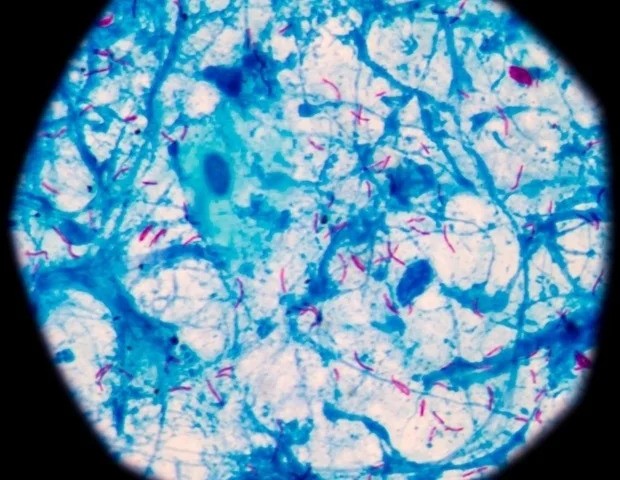
Brazil's Bolsa Família Program (BFP), recognized as one of the world's largest conditional cash transfer programs, has significantly reduced tuberculosis (TB) cases and deaths among individuals living in extreme poverty and Indigenous communities. This finding comes from a comprehensive study coordinated by the Barcelona Institute for Global Health (ISGlobal), supported by the "la Caixa" Foundation, the Institute of Collective Health, and CIDACS-FIOCRUZ in Bahia, Brazil. The results, published in Nature Medicine, carry important implications for public policies on social protection and TB control globally.
Since its inception in 2004, the BFP has provided financial assistance to Brazil's poorest families, contingent upon fulfilling certain requirements, such as ensuring children receive medical check-ups and maintaining school attendance. While these programs are widely recognized for their role in reducing economic and social inequalities, they have also demonstrated improvements in health outcomes, including reductions in child mortality, maternal deaths, and HIV cases.
Tuberculosis remains one of the leading infectious killers in Brazil and other low- and middle-income countries, with its prevalence closely tied to poverty. "We know that TB is driven by poverty, but until now, the effects of cash transfers on disease outcomes among the most vulnerable populations had not been fully analyzed," stated Davide Rasella, the study's coordinator and head of the Health Impact Assessment and Evaluation group at ISGlobal.
Rasella and his team analyzed data from 54.5 million low-income Brazilians between 2004 and 2015, comparing TB incidence, mortality, and case fatality rates among those who received BFP support (23.9 million) versus those who did not (30.6 million). The study identified a total of 159,777 new TB diagnoses and 7,993 TB-related deaths within the cohort.
The results revealed a substantial decrease in TB cases and deaths among beneficiaries of the cash transfer program. Specifically, there was over a 50% reduction in TB cases among extremely poor individuals and more than a 60% reduction among Indigenous populations. While the program effectively reduced TB cases across all demographics, the impact was less pronounced among those who were less poor, with no significant reduction in TB deaths observed in that group. Additionally, the TB case fatality rate was lower among Bolsa Família beneficiaries compared to non-beneficiaries, although the difference was not statistically significant.
The underlying reasons for the BFP's positive impact on TB outcomes are clear. "We know that the program improves access to food, both in quantity and quality, which reduces food insecurity and malnutrition—a major risk factor for TB—and strengthens people's immune defenses as a result. It also reduces barriers to accessing healthcare," explained Gabriela Jesus, co-first author of the study alongside Priscila Pinto, both from FIOCRUZ.
The findings of this study highlight the potential of expanding the BFP to address the concerning rise in TB cases among vulnerable populations, particularly in the wake of the COVID-19 pandemic. However, the implications extend beyond Brazil's borders. "Our study has far-reaching implications for policy-making in all countries with a high burden of TB," Rasella noted.
The message is clear: social protection programs not only help alleviate poverty and malnutrition but can also play a crucial role in achieving the targets of the END-TB strategy and the Sustainable Development Goals. By investing in such initiatives, countries can enhance public health outcomes and work towards eradicating diseases like tuberculosis, ultimately improving the quality of life for their most vulnerable populations.