Brazil's Money Makeover: Digital Real To Outshine Bitcoin?
-
 Loading...
 - Adrien Gauthier
- 01 Jun 2023
- 68 Views
- 0 Like
- 0 Comment
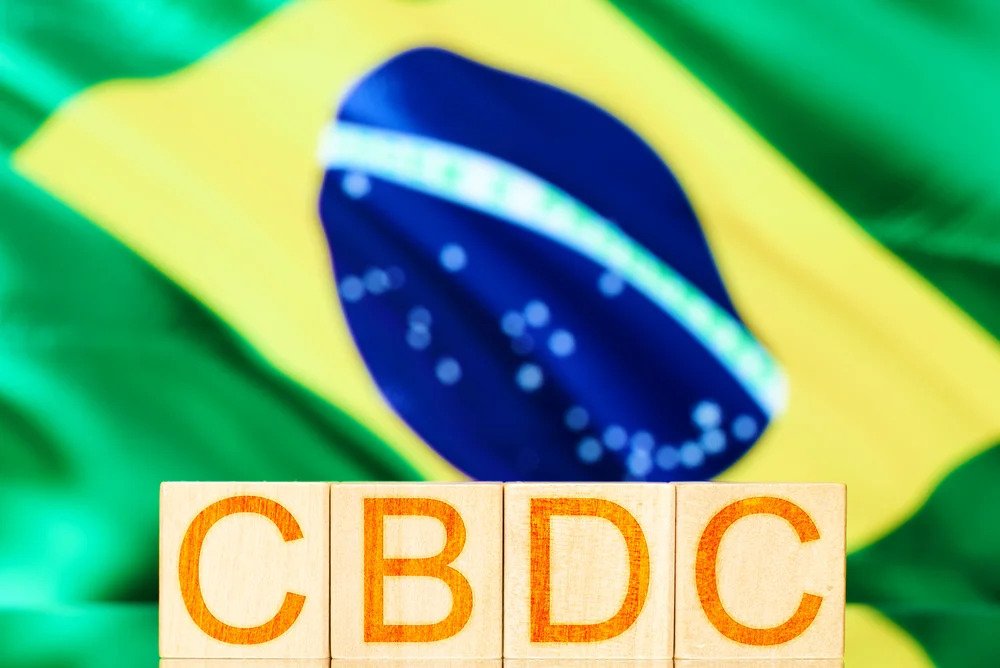
In a bold stride towards the realm of digital finance, the Central Bank of Brazil has initiated plans to test its very own central bank digital currency (CBDC) platform, known as the digital real. To ensure a comprehensive trial phase, a diverse range of local and international entities have been carefully chosen as participants, following a rigorous selection process that involved over 100 institutions.
The list of 14 participants, including some consortiums representing multiple corporations, was revealed on May 24. Notable names among them are Microsoft Corp, Banco Inter based in Brazil, 7COMm, a digital technology firm, Visa Inc, a financial services giant, Banco Santander SA, a multinational banking institution, as well as Brazilian financial establishments like Itaú Unibanco, BTG Pactual, and Banco Bradesco.
During the testing of the digital real, the primary focus will be on examining its privacy features and programmability. The initial use case under scrutiny will be a delivery versus payment protocol for federal public securities. This pilot project, officially launched in 2022, proposes the creation of a digital currency linked to Brazil's fiat currency, the real. The digital real will have a controlled supply that will expand over time. The significance of Brazil within the global cryptocurrency ecosystem continues to grow.
With its enormous population of 214 million, the country has become an attractive target for major cryptocurrency companies. Earlier this year, Binance and Mastercard introduced a prepaid crypto card, while Coinbase expanded its services through collaborations with local payment providers. More recently, the central bank granted a license to Latam Gateway, Binance's payment provider in Brazil, enhancing its operational capabilities in the country.
Eugen Kuzin, the head of marketing and public relations at the crypto payment ecosystem CoinsPaid, shared his thoughts with Benzinga. He highlighted the increasing interest in CBDCs worldwide, with over 110 countries actively developing their own digital currencies. This trend allows countries to align themselves with the evolving payment ecosystem. While there are risks associated with low adoption, Kuzin believes that the benefits can outweigh these risks.
"However, it's important to note that many nations already possess advanced fintech ecosystems, where a CBDC may not necessarily be the ultimate solution if introduced. While CBDCs hold general significance, central banks must understand that the introduction of this new asset class is a complex process that requires the right legislation in place to encourage widespread adoption," said Kuzin.