Brazilian Literature Goes Global
-
 Loading...
 - Oscar Hayes
- 02 Jun 2023
- 70 Views
- 0 Like
- 0 Comment
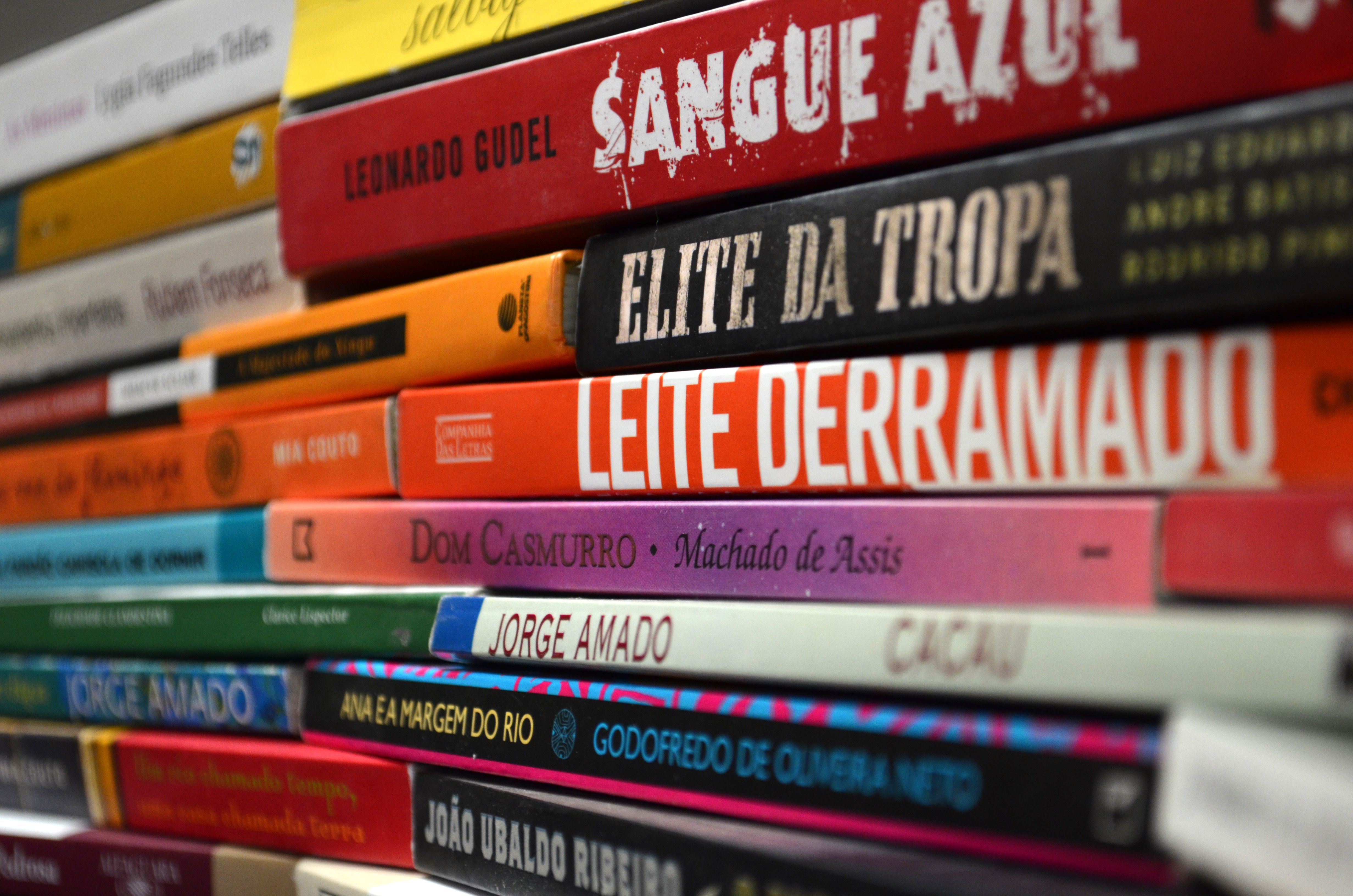
Brazilian literature has been a well-guarded secret, hidden from the global stage, for countless years. While other Latin American countries, particularly those with Hispanic backgrounds, have been exporting their literary works and gaining recognition since the twentieth-century Boom, Brazilian authors have remained relatively unknown to international readers. Regrettably, the name that often comes to mind when mentioning Brazilian writers is Paulo Coelho, leaving literary scholars in Brazil disheartened. However, both the government and private sector have embarked on a mission to alter this situation by promoting Brazilian literature on a global scale.
The Brazilian government has committed a substantial sum of over US$35 million to a program spanning eight years. This initiative aims to penetrate international markets by financing translations of Brazilian works into various languages, providing grants to publishers outside Brazil to promote translated Brazilian publications, and offering travel grants to facilitate worldwide publicity tours for Brazilian authors. Simultaneously, Brazilian publishers, authors, and translators are diligently preparing for the upcoming 2013 Frankfurt Book Fair, where Brazil has been designated as the Guest of Honor. Recognizing the potential of the untapped digital publishing market, international companies are also turning their attention towards Brazil.
In a recent announcement, the colossal e-commerce entity Amazon revealed its partnerships with some of Brazil's largest publishers, such as Globo, Objetivo, and most recently, Companhia das Letras. This development serves as further evidence that Brazil's cultural industry is transcending borders and permeating the global literary scene. The newly established Brazilian Kindle Store now grants readers worldwide access to Brazilian literature in a convenient digital format. Furthermore, Amazon has introduced Portuguese language reading applications for Android, iOS, Mac, and PCs.
Companhia das Letras editor Luis Schwarcz stated, "With the collaboration of Penguin, we aim to explore new formats and ensure our catalog is available through numerous channels, granting readers greater freedom of choice." Schwarcz also expressed enthusiasm about the agreement with Amazon and ongoing discussions with other international players, recognizing these steps as significant progress towards their objectives.
For the increasing number of Portuguese speakers in the United States, the prospect of accessing ebooks is undoubtedly welcome news, considering the scarcity and high costs associated with traditional Portuguese books.
Moreover, Brazilian literature is progressively becoming more accessible through translation. In November, Granta literary magazine released a special issue titled "The Best Young Brazilian Novelists" (issue number 121). This publication allows readers worldwide to immerse themselves in the forefront of Brazilian literature.
Granta editor John Freeman explained the significance of this endeavor, stating, "We may buy Brazil's clothes, admire its football, and dance to its beats, but the dream-like world portrayed in contemporary fiction, something that Brazilian literature uniquely captures and vitalizes, remains largely invisible to us due to a lack of translation. I hope this issue can change that perception to some extent and introduce writers who will shape our literary landscape for decades to come."
The international release of "The Best Young Brazilian Novelists" and the availability of Brazilian ebooks abroad are part of a broader effort to share Brazil's rich cultural heritage with the global community.