Bright Blue "Lava" Spews From Indonesia’s Kawah Ijen Volcano
-
 Loading...
 - Guntur Sinaga
- 31 Mar 2023
- 65 Views
- 0 Like
- 0 Comment
This volcano complex is possibly the only place on Earth to consistently burn blue flames.
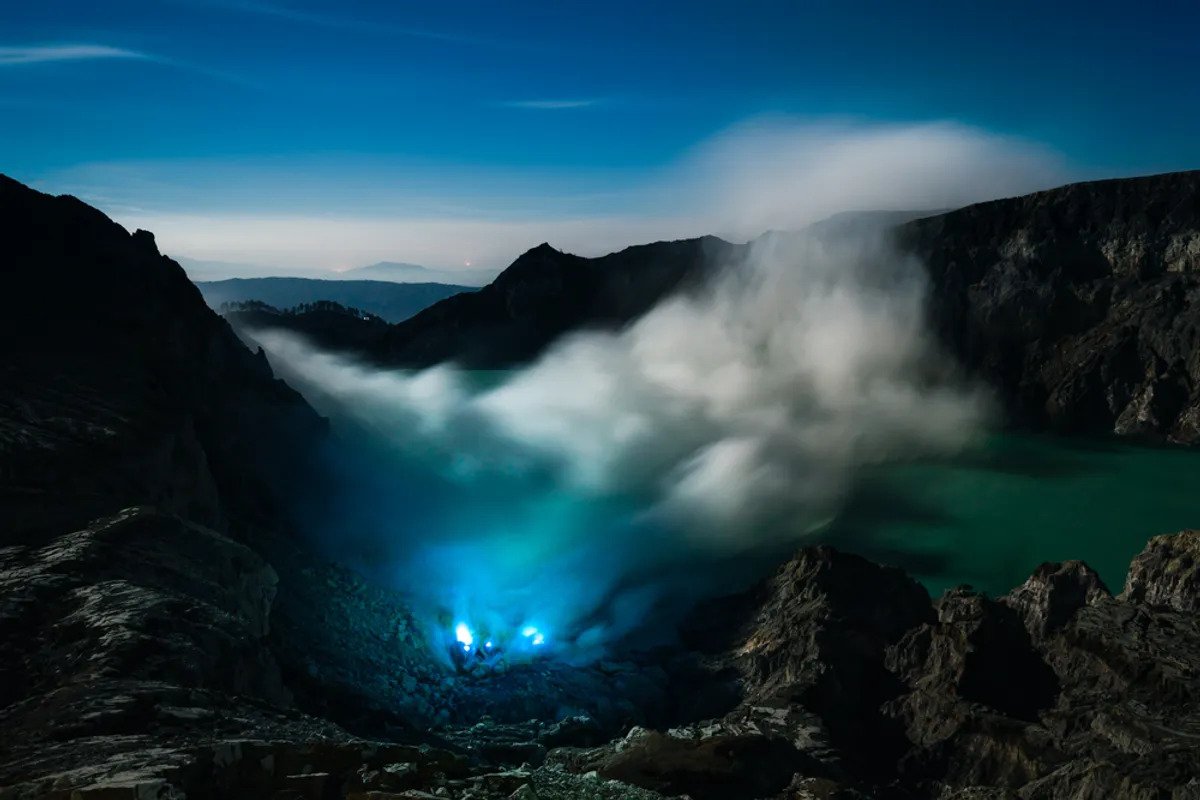
Stretching over 22 kilometers (14 miles) in East Java, Indonesia, is the Kawah Ijen volcanic complex. While this vast stretch of elaborate geological formations boasts striking views in the daylight, come nightfall the mountains spew electric blue streams of "lava".
Believed to be the only location on the planet to consistently exhibit these striking blue flames, the Kawah Ijen volcano’s beauty comes at a price, as the intense levels of sulfur make the air surrounding the complex toxic to anyone who breathes it.
Why is the Ijen lava blue?
At first glance, the Ijen volcano looks like your bog-standard 600–900°C (1,112–1,652°F) stream of red-hot bubbling molten rock, so what causes the mountain’s sunset transformation into something out of a sci-fi film?
The blue lava phenomenon is caused by an abundance of sulfur pockets in the rock. Sulfur is a chemical element that’s released as the rock liquefies, and while burning, it releases noxious gases like sulfur dioxide. It also creates a striking blue flame.
As this sulfur comes into contact with oxygen it ignites, causing the blue flame that gives the lava the appearance of being entirely blue, but it is in fact just the surface of the molten rock that’s covered in blue flames.
Despite only being visible at night, the blue flames are always ignited on the surface of the lava, they’re just harder to see in daylight.

The Kawah Ijen volcanic complex
This vast complex is actually within a caldera – a crater that’s formed when a volcano erupts and collapses, often creating a large lake in its center. The Ijen complex contains around 22 eruption points, mostly around the rim of the caldera.
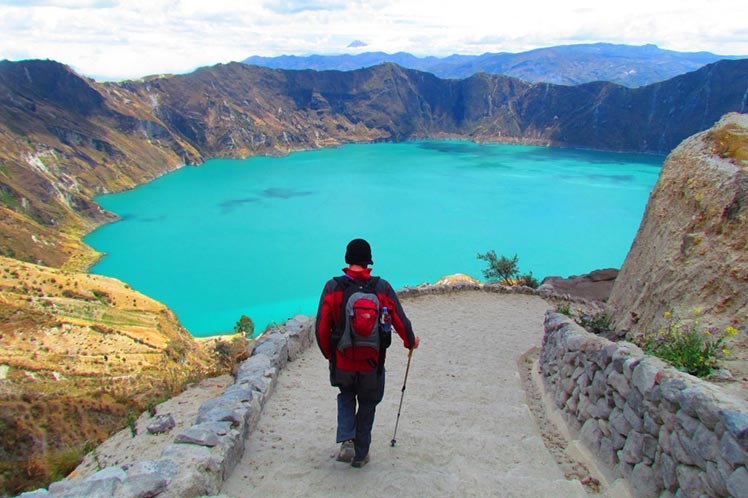
The water in the crater of the Ijen volcano is an inviting bright turquoise color, but once again, don’t let its beauty fool you as this is the largest acid lake in the world and has a pH of around zero. Swimming in the waters here could be life-threatening, or at least cause serious injury. Read More…