Brussels Prepares Emergency Plan for Large-Scale Flooding
-
 Loading...
 - Colin Drakos
- 24 Feb 2025
- 34 Views
- 0 Like
- 0 Comment
In response to the increasing threat of large-scale flooding due to climate change, the Brussels region is developing a comprehensive emergency plan aimed at enhancing resilience and preparedness. Flooding has been identified as one of the primary natural risks facing Brussels, prompting significant investments in prevention and protection measures, particularly the construction of stormwater basins in recent years.
Michael Antoine, an engineer in the water department of Brussels Environment, emphasized the need for a structured response plan. “What was still lacking was a plan for how we would react when all these measures were no longer sufficient and we really reached a crisis point,” he stated. The goal of the crisis plan is to ensure that the region can effectively cope with flooding events, minimizing damage to property and protecting residents.
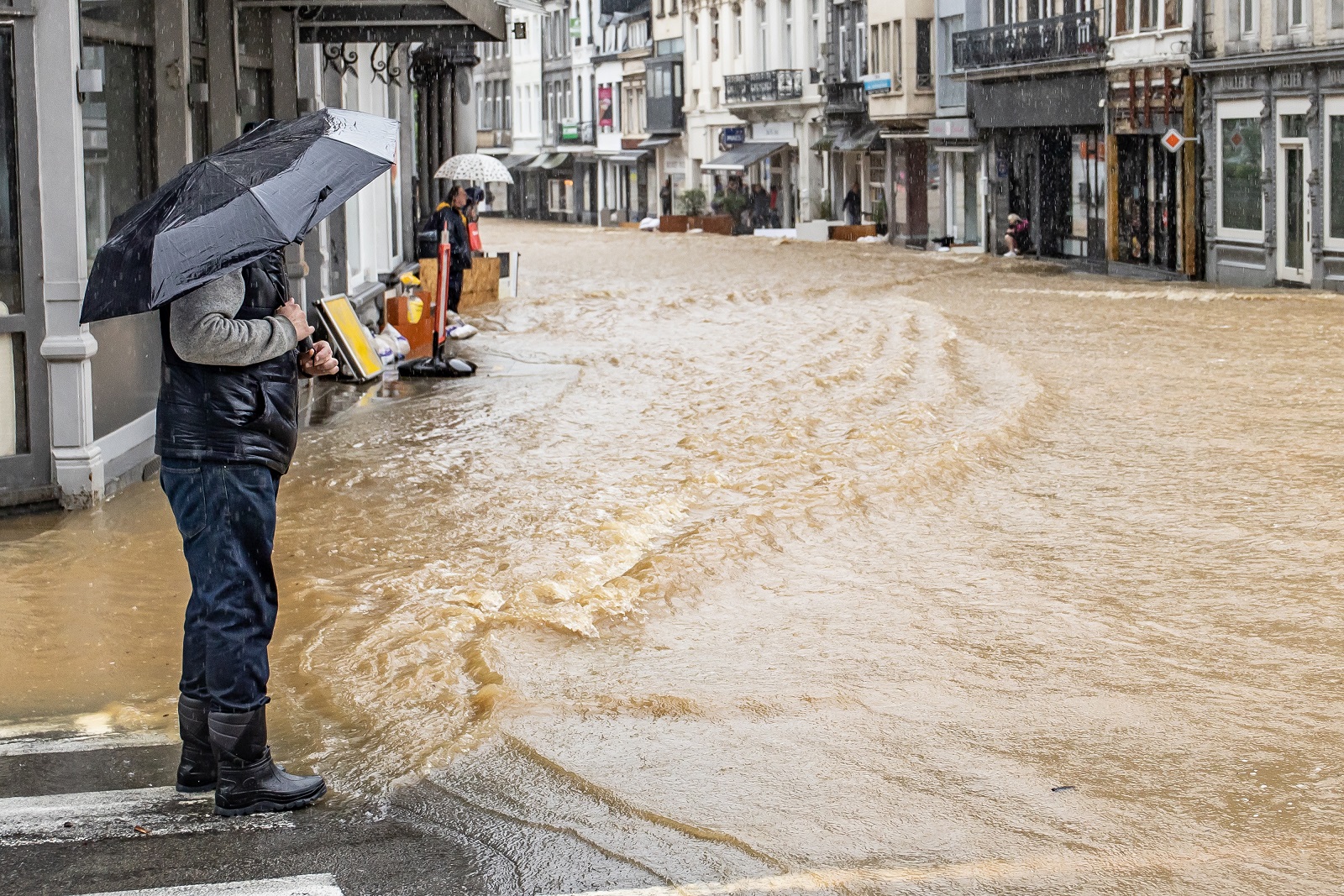
The emergency plan is informed by rainfall data collected across the country and focuses on four main risk scenarios: extreme sewer backups, high water levels in rivers, obstruction of the Senne River's central channel, and flash flooding caused by rapid water runoff on roads. The devastating floods that struck Wallonia in the summer of 2021 have also been taken into account, highlighting the realistic nature of such events in the context of climate change.
Antoine noted that the frequency and intensity of thunderstorms are increasing, leading to significant water accumulation in urban areas. With up to a third of Brussels' population—approximately 430,000 residents—potentially at risk, and a quarter of the region's buildings situated in flood-prone areas, the stakes are high. In the city center alone, a major flood could impact around 8,000 buildings.
Coordination among various emergency services is a critical component of the plan. Sophie Lavaux, responsible for crisis management in Brussels, stressed the importance of collaboration among authorities, the fire brigade, and the police. “The most important thing is coordination,” she explained, as it allows for a unified response based on real-time data and situational assessments.
The plan outlines a series of measures to be implemented during a crisis, including evacuation procedures. In the event of a significant flood, authorities may instruct residents to evacuate vertically, seeking higher ground for safety. Lavaux emphasized the importance of following official instructions, avoiding unnecessary travel, and not putting oneself in danger. Additional measures may include banning large public events, closing parks, and shutting down certain tunnels to ensure public safety.
Brussels' proactive approach to developing an emergency plan for large-scale flooding reflects a growing recognition of the challenges posed by climate change. By focusing on coordination, preparedness, and community safety, the region aims to mitigate the impacts of potential flooding events and protect its residents and infrastructure. As climate-related risks continue to evolve, such initiatives will be crucial in fostering resilience and ensuring the safety of urban populations.