Cameroon Deploys Military to Assist Rangers as Poaching Increases
-
 Loading...
 - Itatay Tchinda
- 07 Dec 2021
- 479 Views
- 0 Like
- 0 Comment
Cameroon's Forestry and Wildlife ministry says several dozen armed poachers are attacking elephants along the CAR border.
Francis Durand Nna is the highest government forestry and wildlife official in the Cameroon East region that is home to several thousand elephants. He said rangers are tracking poachers in the area.
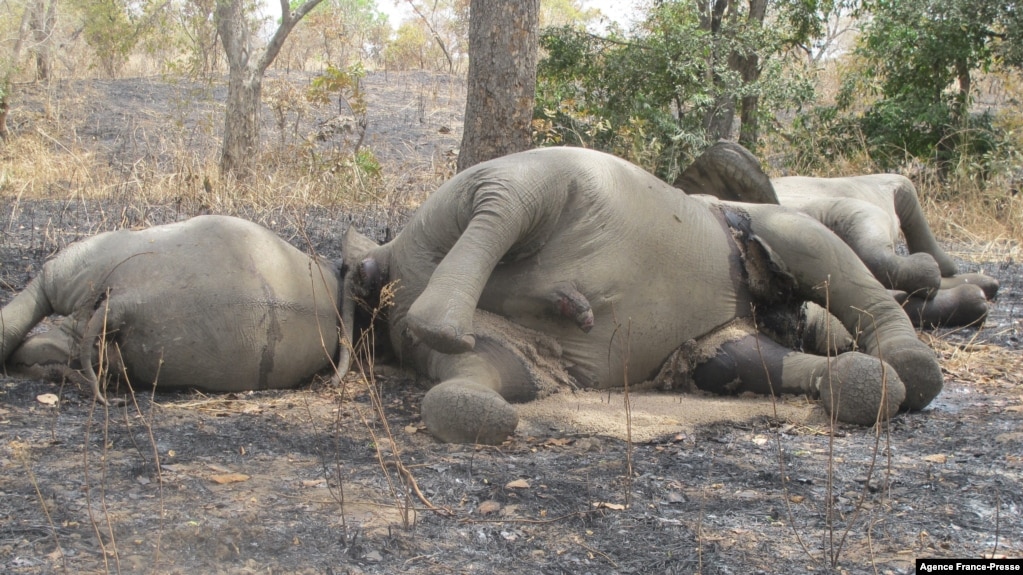
Nna said Sunday, rangers assisted by the Cameroon military, arrested three suspected poachers shortly after three fresh elephant carcasses were found in Lobeke National Park. He said the suspects have accepted responsibility for the killing of eight elephants in the park within the past week. He said the poachers remove the tusks and abandon the rest of the elephant carcass.
Nna said the suspects told officials that ivory harvested from the elephants is taken to neighboring Nigeria from where it is smuggled to Asian countries. He said more than 20 elephants have been killed in eastern Cameroon this year, but that the number could be more because rangers find it difficult to visit areas regularly attacked by armed groups from neighboring CAR.
He said at his request the government of Cameroon deployed troops to protect wildlife in Lobeke National Park, but gave no further details.
Cameroon’s Lobeke National Park covers an area of 217,854 hectares. The World Wide Fund for Nature reports that the elephant population in the park dropped from 4,200 in 2015 to 3,500 in 2018. WWF attributes the decrease to poaching for the ivory trade.
In 2020, Cameroon wildlife officials, environmental gon-governmental organizations and conservation groups reported that the population of elephants had remained stable in the central African state.
Among the organizations working in Cameroon to protect endangered species is the Last Great Ape Organization, LAGA. Anna Egbe is the head of the LAGA media department.
Egbe said travel restrictions to stop the spread of the coronavirus after the first cases of COVID-19 were reported in Cameroon in March 2020 reduced poaching. Read More…