Cameroon Leader Urges 'Urgent Action' on Central African Economy
-
 Loading...
 - Adjo Antwi
- 23 Dec 2024
- 41 Views
- 0 Like
- 0 Comment
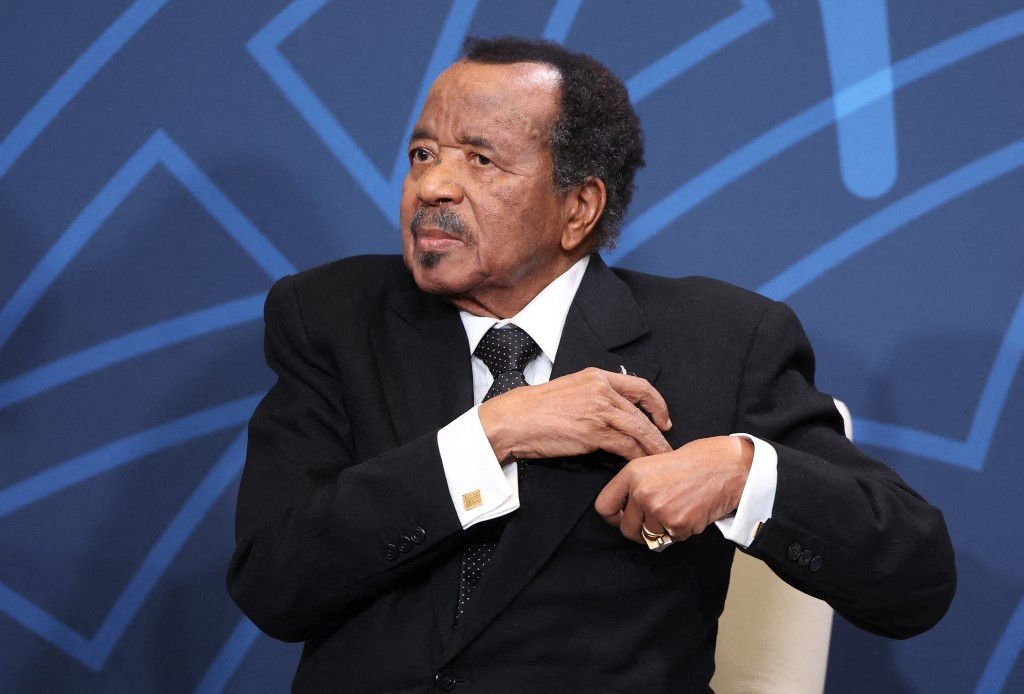
Cameroonian President Paul Biya called for "urgent action" to address the "concerning" economic climate in Central Africa during his first public appearance since late October. The 91-year-old leader, who has been in power for 42 years, returned to Cameroon on October 21 after a prolonged absence that sparked speculation about his health.
Speaking at a special session of the Central African Economic and Monetary Community (CEMAC) in Yaoundé, Biya highlighted the significant decline in the region's net external assets, stating, "This situation is concerning and calls for urgent action on our part to turn the tide." He warned that failure to act could lead to "disastrous consequences" for both individual countries and the sub-region as a whole. Biya urged member states, including the Central African Republic, Republic of Congo, Gabon, Equatorial Guinea, and Chad, to take "concrete steps" to improve the economic situation.
CEMAC, which comprises six countries, aims to foster economic cooperation in Central Africa. Amid recent media reports suggesting a possible devaluation of the regional CFA franc currency, the Cameroonian presidency clarified that "no monetary adjustment is on the agenda" for the extraordinary summit.
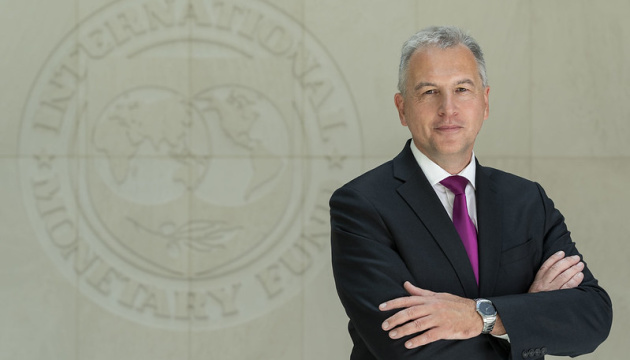
The event was attended by the presidents of the Central African Republic, Gabon, and Equatorial Guinea, along with representatives from the International Monetary Fund (IMF) and the African Development Bank. Chad was represented by its finance minister, Tahir Hamid Nguilin, while the Republic of the Congo sent its prime minister, Anatole Collinet Makosso.
CAR President Faustin Archange Touadera, who presides over CEMAC, noted that the bloc has shown resilience against various internal and external shocks over the past decade. He pointed out that CEMAC has managed to withstand fluctuations in raw material prices, security and health crises, climate change impacts, and funding shortages.
Touadera emphasized that uniform monetary policy has contributed to economic growth, which is projected to reach 2.7 percent in 2024, a significant recovery from a contraction of minus 1.1 percent in 2016. He urged member states to focus on maintaining economic and budgetary balances in their public finances and to support their central bank in implementing a monetary policy that ensures a strong external position and a sustained decline in inflation towards regional convergence criteria.