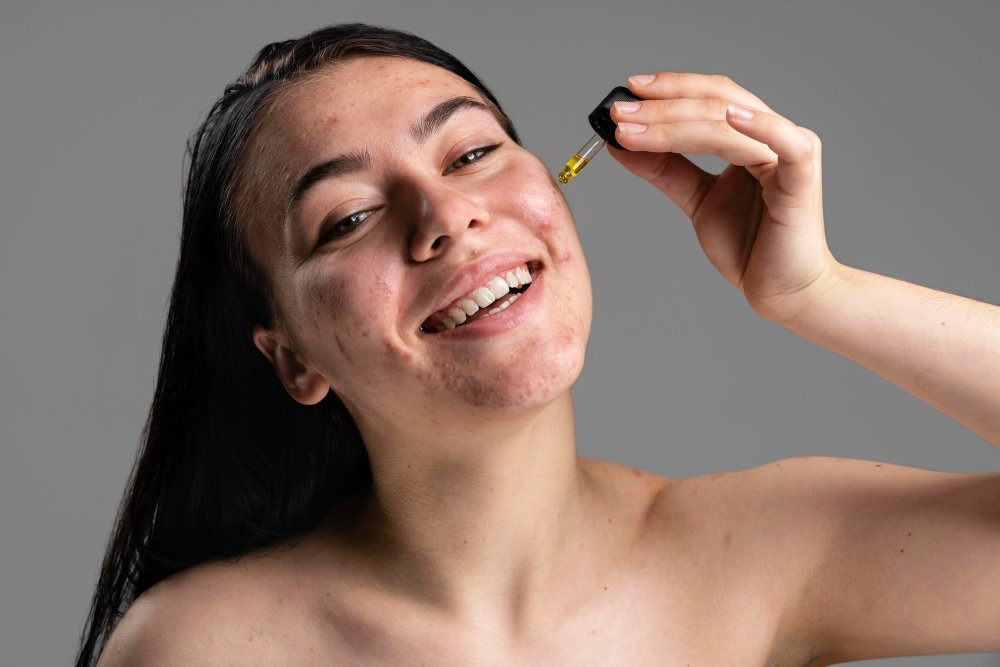
Can Salicylic Acid Help Treat Acne?
-
 Loading...
 - Adhar Dheer
- 12 Nov 2024
- 55 Views
- 0 Like
- 0 Comment
Acne is a common skin condition that affects millions of people worldwide, often leading to frustration and a lack of confidence. Among the various treatments available, salicylic acid has gained significant attention for its effectiveness in managing and reducing acne. This article explores how salicylic acid works, its benefits, and how to incorporate it into your skincare routine.
Salicylic acid is a beta hydroxy acid (BHA) derived from willow bark. It is widely used in skincare products due to its ability to penetrate the skin and provide various benefits, particularly for those with oily and acne-prone skin.
How Does Salicylic Acid Work?
Salicylic acid offers several mechanisms of action that make it effective in treating acne:
1. Exfoliation
One of the primary functions of salicylic acid is its exfoliating properties. It helps to remove dead skin cells from the surface of the skin, preventing them from clogging pores. Clogged pores are a significant contributor to acne formation, so regular exfoliation can help reduce breakouts.
2. Penetration
Unlike many other exfoliants, salicylic acid is oil-soluble, allowing it to penetrate deep into the pores. This ability enables it to dissolve excess oil and debris that can lead to acne, making it particularly effective for treating blackheads and whiteheads.
3. Anti-inflammatory Properties
Salicylic acid also possesses anti-inflammatory properties, which can help reduce the redness and swelling associated with acne lesions. By calming inflammation, it can promote a clearer and more even skin tone.
4. Unclogging Pores
By breaking down the bonds between skin cells, salicylic acid helps to clear out clogged pores. This action not only reduces the formation of new acne but also helps to diminish existing blemishes.
Forms of Salicylic Acid
Salicylic acid is available in various formulations, making it easy to incorporate into your skincare routine. Common forms include:
- Cleansers: Face washes containing salicylic acid can help treat acne while cleansing the skin.
- Toners: These products can help remove excess oil and prepare the skin for further treatment.
- Spot Treatments: Concentrated formulations can be applied directly to acne spots for targeted relief.
- Moisturizers: Some moisturizers include salicylic acid to provide ongoing treatment while hydrating the skin.
How to Use Salicylic Acid
To effectively use salicylic acid in your skincare routine, consider the following tips:
- Start Slowly: If you are new to salicylic acid, begin with a lower concentration to allow your skin to adjust. Gradually increase the concentration as needed.
- Patch Test: Always perform a patch test before using a new product to check for any adverse reactions.
- Moisturize: Salicylic acid can be drying, so it’s essential to use a good moisturizer to maintain skin hydration.
- Sun Protection: Since salicylic acid can increase sun sensitivity, applying sunscreen daily is crucial when using products containing this ingredient.
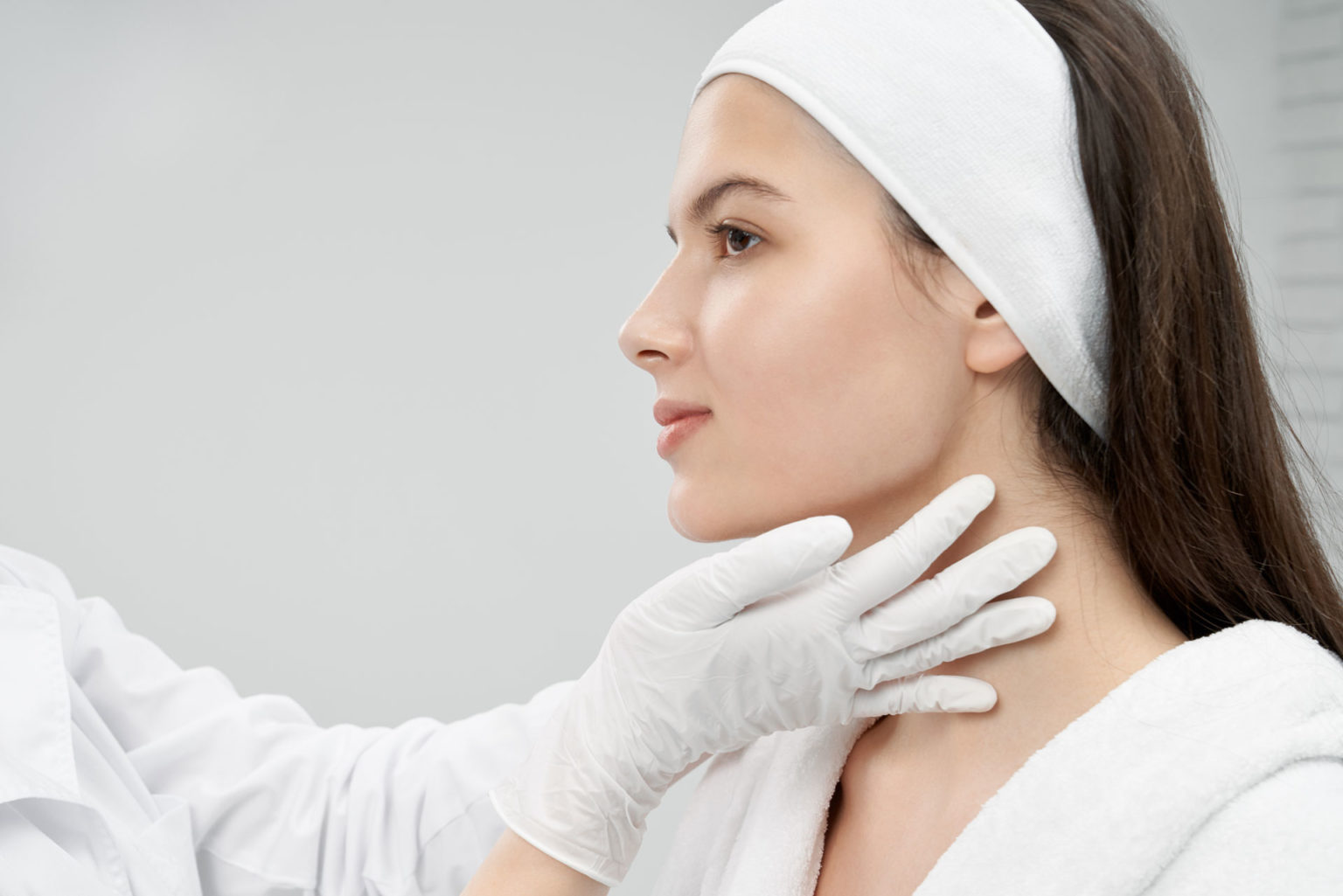
While salicylic acid is effective for many individuals, it may not work for everyone. Those with severe acne or persistent skin issues should consult a dermatologist for personalized treatment options, which may include prescription medications or other therapies.
Salicylic acid is a powerful ally in the fight against acne, offering multiple benefits such as exfoliation, pore penetration, and anti-inflammatory effects. By incorporating salicylic acid into your skincare routine, you can take significant steps toward achieving clearer, healthier skin. Whether through cleansers, spot treatments, or moisturizers, salicylic acid can be an effective tool in managing acne and enhancing your overall complexion.