Canada becomes second country to legalise recreational marijuana
-
 Loading...
 - Courtney Trump
- 17 Oct 2021
- 986 Views
- 0 Like
- 0 Comment
The first recreational cannabis to be legally bought in Canada was purchased at midnight on Wednesday (02:30 GMT) on the eastern island of Newfoundland amid queues of hundreds of people.
Canada has become the second country after Uruguay to legalise possession and use of recreational cannabis.
Medical marijuana has been legal in the country since 2001.
But concerns remain, including about the readiness for police forces to tackle drug impaired driving.
Information has been sent to 15m households about the new laws and there are public awareness campaigns.
Ian Power, from the town of St John's began queuing at 20:00 local time so he could "make history". Newfoundland is half an hour ahead of the next province to the west.
"It's been my dream to be the first person to buy the first legal gram of cannabis in Canada, and here I finally am," he said.
Canadian provinces and municipalities have been preparing for months for the end of cannabis prohibition. They are responsible for setting out where cannabis can be bought and consumed.
This has created a patchwork of more or less restrictive legislation across the country.
How ready is Canada for legal cannabis?
There remain unanswered questions on some key issues around how legal cannabis will work in Canada.
A number of analysts are predicting a shortage of recreational marijuana in the first year of legalisation as production and licensing continues to ramp up to meet demand.
And the marketplace itself is still in its infancy.
Ontario, Canada's most populous province, will only begin opening retail stores next spring, though residents will be able to order cannabis online.
British Columbia, one of the provinces with the highest rates of cannabis use, will only have one legal store open on Wednesday.
Until retail locations are more widely available, some unlicensed cannabis retailers, which have flourished in the years since the law was first proposed, may stay open.
It is unclear if police will crack down on them immediately, or if they will turn a blind eye.
What's at stake?
Jessica Murphy, BBC News, Vancouver
Legal pot has been an inescapable topic for months in Canada, as governments and companies prepared in earnest for 17 October.
That day is finally here, and Canadians will learn just how much - or how little - the new framework will change the country. But this is not just a domestic affair.
With global trends shifting away from a strict prohibition of cannabis, the world will be watching this national experiment in drug liberalisation.
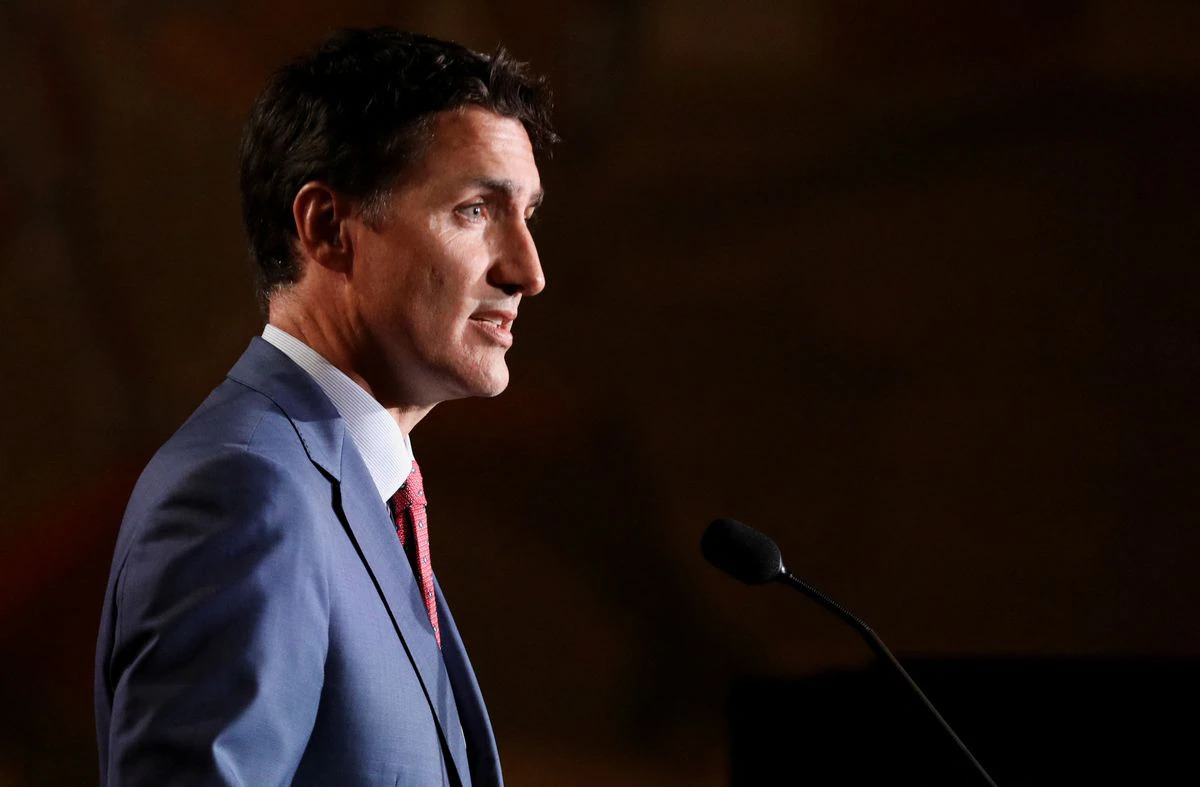
A measure of success - whether legalisation will be a win for Prime Minister Justin Trudeau ahead of the 2019 federal election - will depend on whether it meets his stated goals: restricting access of the drug to youth - who are among the heaviest users in Canada - reducing the burden of cannabis laws on the justice system, and undercutting the illicit market for the drug.
And if the outcomes are positive, other countries might just be more willing to follow suit.
Why is Canada legalising cannabis?
Legalisation fulfils a 2015 campaign promise by Prime Minister Justin Trudeau, the leader of the governing Liberal Party.
The prime minister has argued that Canada's nearly century-old laws criminalising use of the drug have been ineffective, given that Canadians are still among the world's heaviest users.
He said the new law is designed to keep drugs out of the hands of minors and profits out of the hands of criminals.
The federal government also predicts it will raise $400m a year in tax revenues on the sale of cannabis.
Cannabis possession first became a crime in Canada in 1923 but medical use has been legal since 2001.
What is the situation elsewhere?
Canada follows in the footsteps of Uruguay, which became the first country in the world to legalise the sale of cannabis for recreational use in 2013. A number of US states have also voted to end prohibition.
Medical marijuana is also gaining ground in many European countries. Portugal and the Netherlands have decriminalised the drug.
South Africa's highest court legalised the use of cannabis by adults in private places in September, though the sale of the drug remains a crime.
In April, Zimbabwe became the second country in Africa, after Lesotho, to legalise the use of marijuana for medical purposes.
Nine US states have legalised recreational marijuana use while many more allow its use on medical grounds.
What are the new rules around cannabis?
Adults will be able buy cannabis oil, seeds and plants and dried cannabis from licensed producers and retailers and to possess up to 30 grams (one ounce) of dried cannabis in public, or its equivalent.
Edibles, or cannabis-infused foods, will not be immediately available for purchase but will be within a year of the bill coming into force. The delay is meant to give the government time to set out regulations specific to those products.
It will be illegal to possess more than 30 grams in public, grow more than four plants per household and to buy from an unlicensed dealer.
Penalties for some infraction will be severe. Someone caught selling the drug to a minor could be jailed for up to 14 years.
Some critics say the penalties are too harsh and not proportional to similar laws like those around selling alcohol to minors.
What are the concerns?
On Monday, the Canadian Medical Association Journal published an editorial calling legalisation "a national, uncontrolled experiment in which the profits of cannabis producers and tax revenues are squarely pitched against the health of Canadians".
There are also still some legal wrinkles to be worked out.
Canada has brought in new drug impaired driving offences, but doubts remain about the reliability of screening technology and the potential for drugged driving cases to clog up the courts.
Federal statistics indicate that about half of all cannabis users do not believe their driving is impaired after taking marijuana.
Government officials told reporters on Tuesday that they are currently considering a fast-track process to allow people who have been convicted of possession to apply for legal pardons. There are currently some 500,000 Canadians with existing criminal records for possession.
The change in national drug policy has also created headaches with the US, where the drug remains federally a controlled substance.
On Tuesday, the US Customs Border Protection Agency said border guards will have "broad latitude" to determine who is admissible to the country.
Border guards may ask Canadians if they smoke cannabis, and deny them entry if they believe they intend to do so in the US.
Canada has also been rolling out signs at all airports and border crossings to warn travellers that crossing international borders with the drug remains illegal.