Canada didn’t ignore election interference intelligence
-
 Loading...
 - Marcel Fabre
- 26 May 2023
- 60 Views
- 0 Like
- 0 Comment
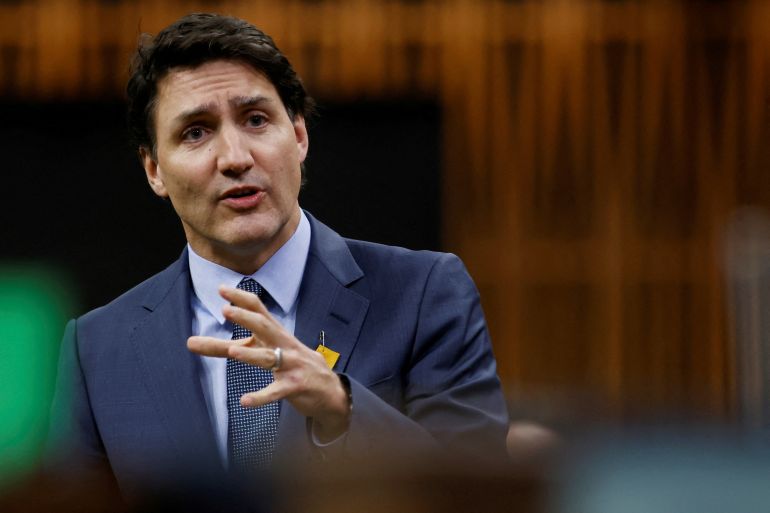
The Canadian Prime Minister, Justin Trudeau, has received validation from a special rapporteur who stated that his government did not disregard evidence of Chinese interference. This affirmation comes after an investigation into media reports, which were based on leaked intelligence, revealing Beijing's attempts to manipulate elections and policies.
Although Trudeau welcomed the report, opposition parties are still pushing for a public inquiry. In March, the government assigned David Johnston, a former governor general of Canada, as a special rapporteur to examine media coverage of intelligence reports that alleged multiple instances of Chinese meddling. Johnston's responsibilities also included providing advice on whether an official public inquest should be conducted.
In a comprehensive 55-page report, Johnston stated, "I have not discovered any instances of the government intentionally ignoring intelligence, advice, or recommendations regarding foreign interference, nor have I found any evidence of partisan considerations influencing their decisions on these matters."
China has consistently denied any involvement in meddling. Once again, the Beijing embassy in Ottawa refuted these allegations of interference, attributing the leaks to a deliberate campaign aimed at tarnishing China's reputation.
Johnston was granted access to classified memos and conducted interviews with the prime minister, Cabinet members, and top intelligence officials. He discovered that many of the leaks were based on "limited and incomplete intelligence" or even false information. However, he also identified significant governance shortcomings in the communication of intelligence from security agencies to various government departments.
Opposition parties in parliament have been pressuring the prime minister to initiate a public inquiry into foreign election interference. Nevertheless, when Johnston recommended against it in his report on Tuesday, Trudeau stated that he would heed his advice. The report clarified that a public inquest would only prolong the process without adding any value, given that most of the investigation would have to remain classified due to the sensitive nature of the information involved.
Johnston urged opposition leaders to obtain clearance to access the classified sections of his report. However, should they do so, they would be legally prohibited from discussing those details publicly. Conservative leader Pierre Poilievre declared, "I will not be silenced," asserting that the report was biased from the beginning and lacked credibility. Poilievre accused Johnston of being biased in favor of the Trudeau family, an allegation that Johnston firmly denies.
The Conservative party alleges that Trudeau ignored the intelligence reports because the meddling benefited his Liberal Party during elections. Even members of the left-leaning New Democratic Party, who support Trudeau's minority government in parliament, are advocating for a public inquest. New Democrat leader Jagmeet Singh emphasized, "We firmly believe that a public inquiry is essential to restore confidence in our electoral system," during a press conference.
Earlier this month, Trudeau's government expelled a Chinese official who had sought information about Conservative legislator Michael Chong's family. In response, China retaliated by expelling a Canadian diplomat.
Instead of a new public inquest, Johnston proposed that he would spend the next five months conducting public hearings on the issue, as it is evident that foreign governments are undoubtedly attempting to influence candidates and voters in Canada.