Candidates for Mayor of São Paulo hold debate
-
 Loading...
 - Gisela Roth
- 02 Sep 2024
- 46 Views
- 0 Like
- 0 Comment
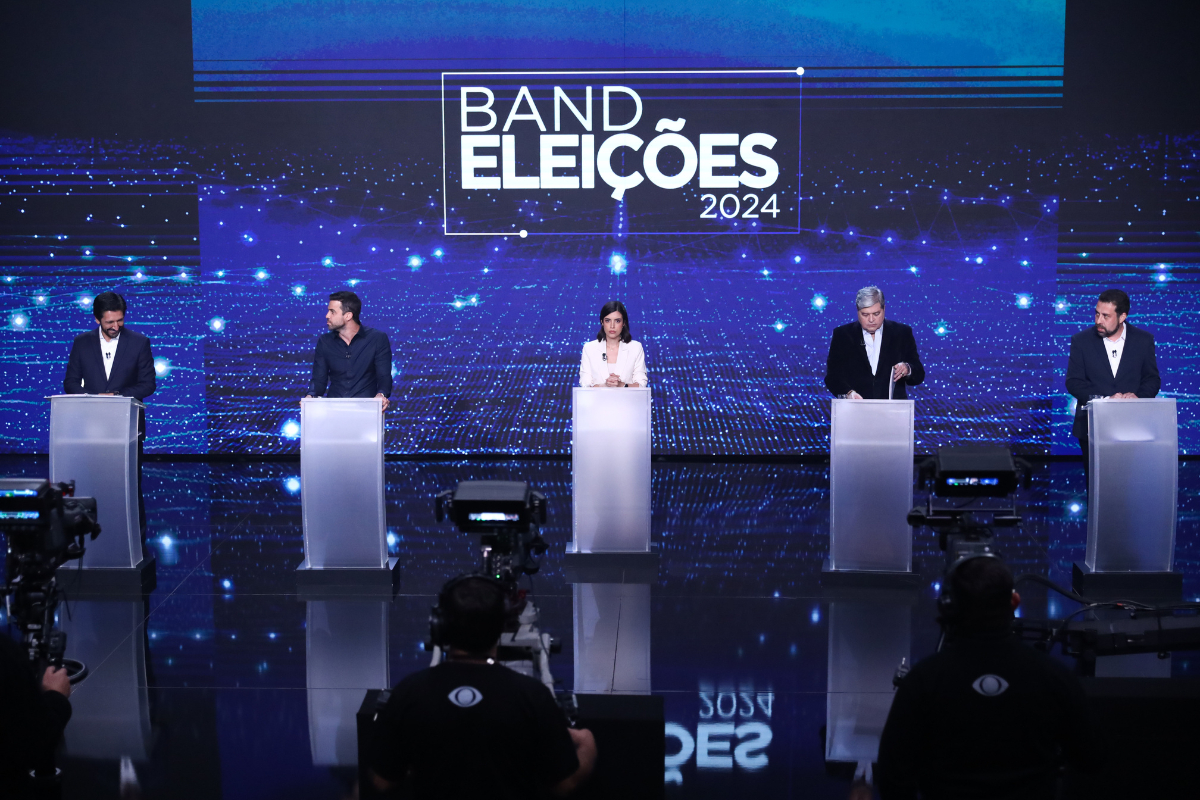
The recent debate between the main candidates for mayor of São Paulo was marked by intense personal attacks, insults, and aggressive language, overshadowing much of the discussion about policy proposals. The event, organized by TV Gazeta and the MyNews channel, saw candidates hurling offensive nicknames and accusations at each other, with microphones being cut off multiple times due to the severity of the verbal exchanges.
Pablo Marçal (PRTB) set the tone early on, using derogatory nicknames for his competitors, leading to a debate filled with terms like "bananinha," "Chatabata," and "Pablito." Marçal was frequently targeted by other candidates, particularly Guilherme Boulos (PSol) and Ricardo Nunes (MDB), as his recent rise in the polls made him a focal point for attacks.
The exchanges between the candidates were heated, with Boulos and Nunes particularly harsh in their criticisms of Marçal. Boulos, at one point, accused Marçal of being involved in organized crime, while Nunes repeatedly referred to Marçal as "Pablito," alluding to the notorious Colombian drug lord Pablo Escobar. Marçal retaliated by calling Nunes "bananinha," implying he was a weak candidate.
Tabata Amaral (PSB), although less targeted, also engaged in the back-and-forth, particularly with Marçal, who dismissed her as "Chatabata" and made condescending remarks. The debate took an even more tense turn when José Luiz Datena (PSDB) left his podium and approached Marçal, prompting security to intervene to prevent a physical altercation.
Amidst the chaos, there were brief moments when the candidates addressed actual city issues, particularly during the segment involving questions from internet users. Datena discussed extending the hours of basic health units, Boulos proposed a "Save time for health" program for easier access to complex medical exams, and Nunes claimed to have eliminated the daycare waiting list in the city. Tabata suggested a "citizenship passport" system, while Marçal emphasized job creation in São Paulo's outskirts to reduce commuting needs.
Despite these discussions, the debate will likely be remembered more for its confrontational and chaotic nature than for any substantive policy proposals.