Capacity building to boost science in Ethiopia
-
 Loading...
 - Stephen Amponsah
- 08 Aug 2022
- 81 Views
- 0 Like
- 0 Comment
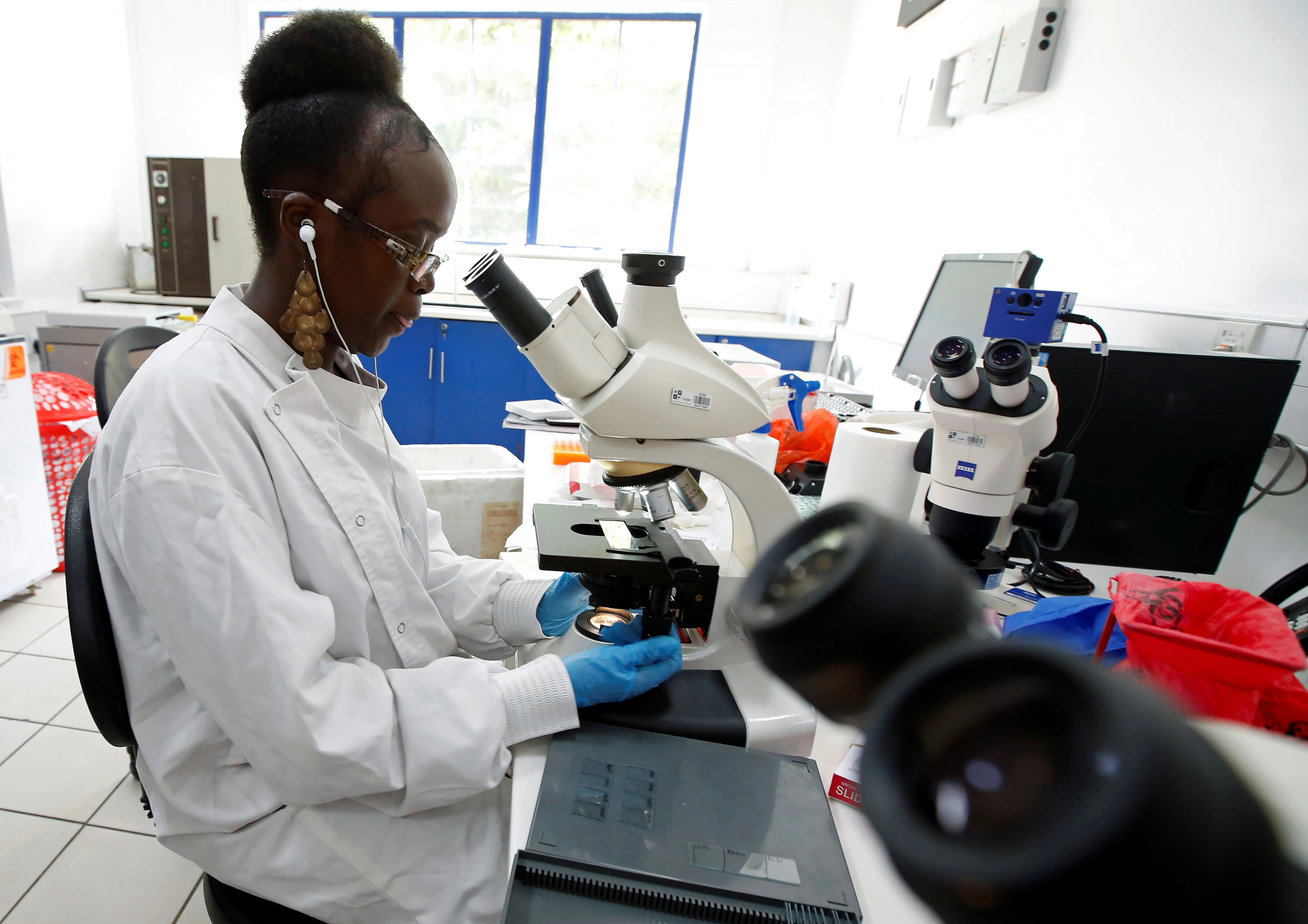
When I graduated from Addas Ababa University with a biology degree in 1987, I was assigned to a haematology laboratory in what was then the Ethiopian National Research Institute of Health (which now forms part of the Ethiopian Public Health Institute). In those days, when you graduated from higher education you were assigned a job. I didn’t know anything about haematology. All I knew was that it was an ‘ology’.
A lesson for the younger generation is that if you don’t get what you like, like what you get. I had to learn on the job from senior lab technicians who were always busy. So, by doing all the ‘busy work’ jobs, such as clerical work and washing lab equipment, I made sure the technicians had time in the afternoons to teach me and check my work. Even though I had a higher academic degree, I admitted my limitations, acknowledged their expertise and respected them. In the evenings, I taught myself from a textbook. Two years later, I was teaching a haematology course at the institute’s School of Medical Laboratory Technology. Next, I started a master’s thesis on anaemia caused by hookworm infection.
At that time, in the mid-1990s, HIV was gripping sub-Saharan Africa. I had a chance to work on the Ethiopia–Netherlands AIDS Research Project, a decade-long collaboration to conduct research on HIV/AIDS, which set up an HIV reference laboratory in Ethiopia and trained Ethiopian researchers in epidemiology. Through that programme, I began my PhD at the University of Amsterdam in 2000. It meant starting when my second baby was 11 months old and my older son was almost 3. My mum, who never finished secondary school, said, “Go for it.” She offered to look after my kids. Read More...