Home Upload Photo Upload Videos Write a Blog Analytics Messaging Streaming Create Adverts Creators Program
Bebuzee Afghanistan Bebuzee Albania Bebuzee Algeria Bebuzee Andorra Bebuzee Angola Bebuzee Antigua and Barbuda Bebuzee Argentina Bebuzee Armenia Bebuzee Australia Bebuzee Austria Bebuzee Azerbaijan Bebuzee Bahamas Bebuzee Bahrain Bebuzee Bangladesh Bebuzee Barbados Bebuzee Belarus Bebuzee Belgium Bebuzee Belize Bebuzee Benin Bebuzee Bhutan Bebuzee Bolivia Bebuzee Bosnia and Herzegovina Bebuzee Botswana Bebuzee Brazil Bebuzee Brunei Bebuzee Bulgaria Bebuzee Burkina Faso Bebuzee Burundi Bebuzee Cabo Verde Bebuzee Cambodia Bebuzee Cameroon Bebuzee Canada Bebuzee Central African Republic Bebuzee Chad Bebuzee Chile Bebuzee China Bebuzee Colombia Bebuzee Comoros Bebuzee Costa Rica Bebuzee Côte d'Ivoire Bebuzee Croatia Bebuzee Cuba Bebuzee Cyprus Bebuzee Czech Republic Bebuzee Democratic Republic of the Congo Bebuzee Denmark Bebuzee Djibouti Bebuzee Dominica Bebuzee Dominican Republic Bebuzee Ecuador Bebuzee Egypt Bebuzee El Salvador Bebuzee Equatorial Guinea Bebuzee Eritrea Bebuzee Estonia Bebuzee Eswatini Bebuzee Ethiopia Bebuzee Fiji Bebuzee Finland Bebuzee France Bebuzee Gabon Bebuzee Gambia Bebuzee Georgia Bebuzee Germany Bebuzee Ghana Bebuzee Greece Bebuzee Grenada Bebuzee Guatemala Bebuzee Guinea Bebuzee Guinea-Bissau Bebuzee Guyana Bebuzee Haiti Bebuzee Honduras Bebuzee Hong Kong Bebuzee Hungary Bebuzee Iceland Bebuzee India Bebuzee Indonesia Bebuzee Iran Bebuzee Iraq Bebuzee Ireland Bebuzee Israel Bebuzee Italy Bebuzee Jamaica Bebuzee Japan Bebuzee Jordan Bebuzee Kazakhstan Bebuzee Kenya Bebuzee Kiribati Bebuzee Kuwait Bebuzee Kyrgyzstan Bebuzee Laos Bebuzee Latvia Bebuzee Lebanon Bebuzee Lesotho Bebuzee Liberia Bebuzee Libya Bebuzee Liechtenstein Bebuzee Lithuania Bebuzee Luxembourg Bebuzee Madagascar Bebuzee Malawi Bebuzee Malaysia Bebuzee Maldives Bebuzee Mali Bebuzee Malta Bebuzee Marshall Islands Bebuzee Mauritania Bebuzee Mauritius Bebuzee Mexico Bebuzee Micronesia Bebuzee Moldova Bebuzee Monaco Bebuzee Mongolia Bebuzee Montenegro Bebuzee Morocco Bebuzee Mozambique Bebuzee Myanmar Bebuzee Namibia Bebuzee Nauru Bebuzee Nepal Bebuzee Netherlands Bebuzee New Zealand Bebuzee Nicaragua Bebuzee Niger Bebuzee Nigeria Bebuzee North Korea Bebuzee North Macedonia Bebuzee Norway Bebuzee Oman Bebuzee Pakistan Bebuzee Palau Bebuzee Panama Bebuzee Papua New Guinea Bebuzee Paraguay Bebuzee Peru Bebuzee Philippines Bebuzee Poland Bebuzee Portugal Bebuzee Qatar Bebuzee Republic of the Congo Bebuzee Romania Bebuzee Russia Bebuzee Rwanda Bebuzee Saint Kitts and Nevis Bebuzee Saint Lucia Bebuzee Saint Vincent and the Grenadines Bebuzee Samoa Bebuzee San Marino Bebuzee São Tomé and Príncipe Bebuzee Saudi Arabia Bebuzee Senegal Bebuzee Serbia Bebuzee Seychelles Bebuzee Sierra Leone Bebuzee Singapore Bebuzee Slovakia Bebuzee Slovenia Bebuzee Solomon Islands Bebuzee Somalia Bebuzee South Africa Bebuzee South Korea Bebuzee South Sudan Bebuzee Spain Bebuzee Sri Lanka Bebuzee Sudan Bebuzee Suriname Bebuzee Sweden Bebuzee Switzerland Bebuzee Syria Bebuzee Taiwan Bebuzee Tajikistan Bebuzee Tanzania Bebuzee Thailand Bebuzee Timor-Leste Bebuzee Togo Bebuzee Tonga Bebuzee Trinidad and Tobago Bebuzee Tunisia Bebuzee Turkey Bebuzee Turkmenistan Bebuzee Tuvalu Bebuzee Uganda Bebuzee Ukraine Bebuzee United Arab Emirates Bebuzee United Kingdom Bebuzee Uruguay Bebuzee Uzbekistan Bebuzee Vanuatu Bebuzee Venezuela Bebuzee Vietnam Bebuzee World Wide Bebuzee Yemen Bebuzee Zambia Bebuzee Zimbabwe
Blog Image

Carving a path for Pakistani children to pursue science careers

Lalah Rukh talks about the joys — and challenges — of nurturing young learners’ passion for science subjects.

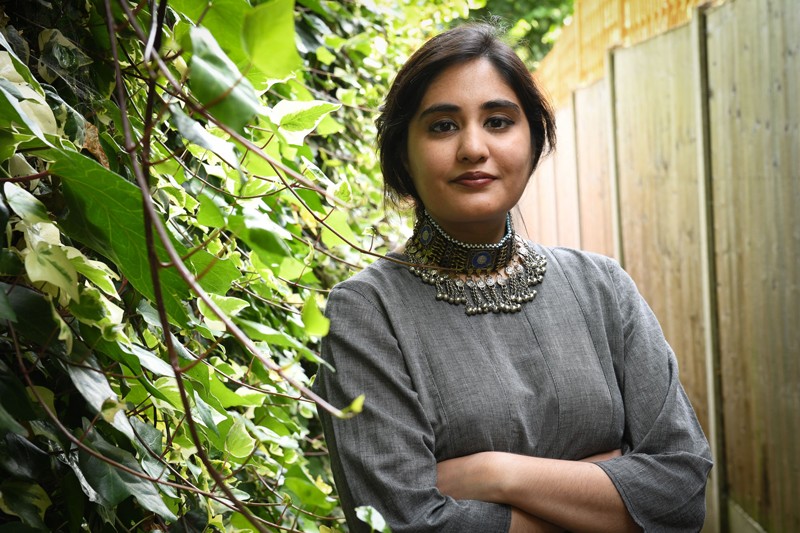
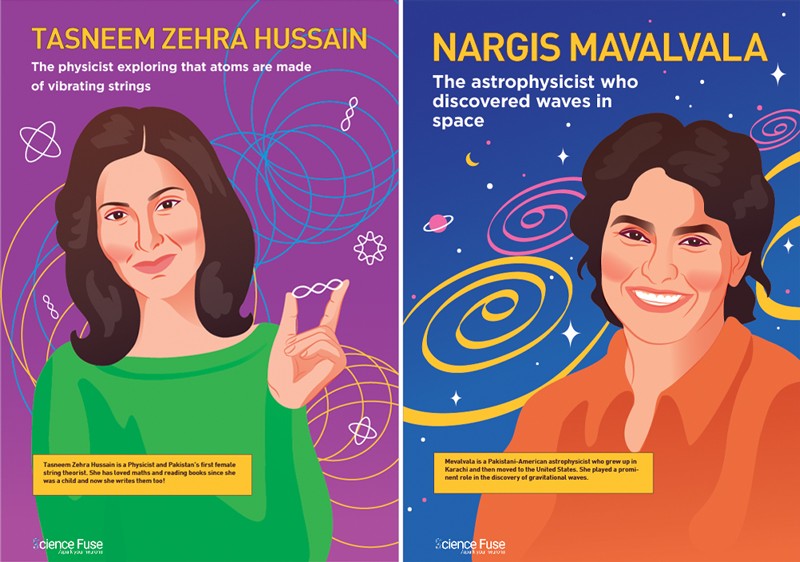
Lalah Rukh is a science communicator and founder of Science Fuse, a non-governmental organization in Lahore, Pakistan, that is working to promote access to high-quality education in science, technology, engineering and mathematics (STEM). Launched in 2016, Science Fuse designs and delivers informal educational workshops, training and resources that build children’s scientific literacy and passion for STEM. It uses a sliding-cost model to engage with schools that serve children from diverse socio-economic backgrounds, including using donations to take free scientific demonstrations to the poorest communities. Rukh speaks about her motivations for founding Science Fuse.

When did you first get interested in science and science engagement?

My interest in science began when I was 12, after reading an article about personalized medicine in a children’s magazine published by a leading newspaper in Pakistan. I was fascinated by this idea, and I cut out the article and pasted it by my bedside so that I could see it every morning when I woke up.

In 2003, I moved back to Norway, where I was born, and studied molecular biology and biotechnology at university. But I realized that I didn’t enjoy doing science in the laboratory as much as I enjoyed engaging people with science. So, I joined Forskerfabrikken, a non-profit organization based in Oslo that encourages children to engage with science. We organized hands-on science programmes for schoolchildren. I worked there for five years as a science communicator, and I learnt about science engagement and social entrepreneurship. I discovered the core features that make for great small-scale school exhibits, and I saw how the organization established revenue streams and structures to expand its team and expertise across Norway. And I realized that science communication is where my passion truly lies.

Where did the idea of Science Fuse come from?

In summer 2013, when I was in Pakistan to get married, I visited a small charity-run school for children living in one of the poorest neighbourhoods of Karachi. I did a 3-hour science workshop for the children with fun demonstrations — from creating giant bubbles to making beads that change colour under sunlight, and chemical reactions that make water ‘pop’. There were big smiles on the children’s faces and the experiments sparked their curiosity. It felt more meaningful for me to do this kind of work in Pakistan. Since 2016, Science Fuse has reached more than 45,000 children, trained 650 teachers and nurtured a community of more than 200 science communicators. We have worked closely with about 250 schools and partner organizations to deliver world-class science education across the country.

Why is it important to boost STEM education in Pakistan?

In Pakistan, 44% of children are out of school, one of the highest percentages in the world — and the majority of those who do go to school attend low-income private or government schools. Many low-income families don’t have access to good-quality STEM education.

This is a social-justice issue. STEM skills are important for any job, and children need them to excel. Science allows us to ask questions about life and the Universe. But in Pakistan, many people, especially children, and girls in particular, are discouraged from asking questions at home and in schools because of cultural and religious beliefs. It’s important that we use STEM education to empower children.

Read More...

Previous Post

Mysterious Star Survives a Thermonuclear Supernova Explosion

Next Post

BioNTech, Pfizer to start testing universal vaccine for COVID-19

Comments