Catalyzing Progress in India's Real Estate Market
-
 Loading...
 - Manya Dang
- 12 Sep 2024
- 52 Views
- 0 Like
- 0 Comment
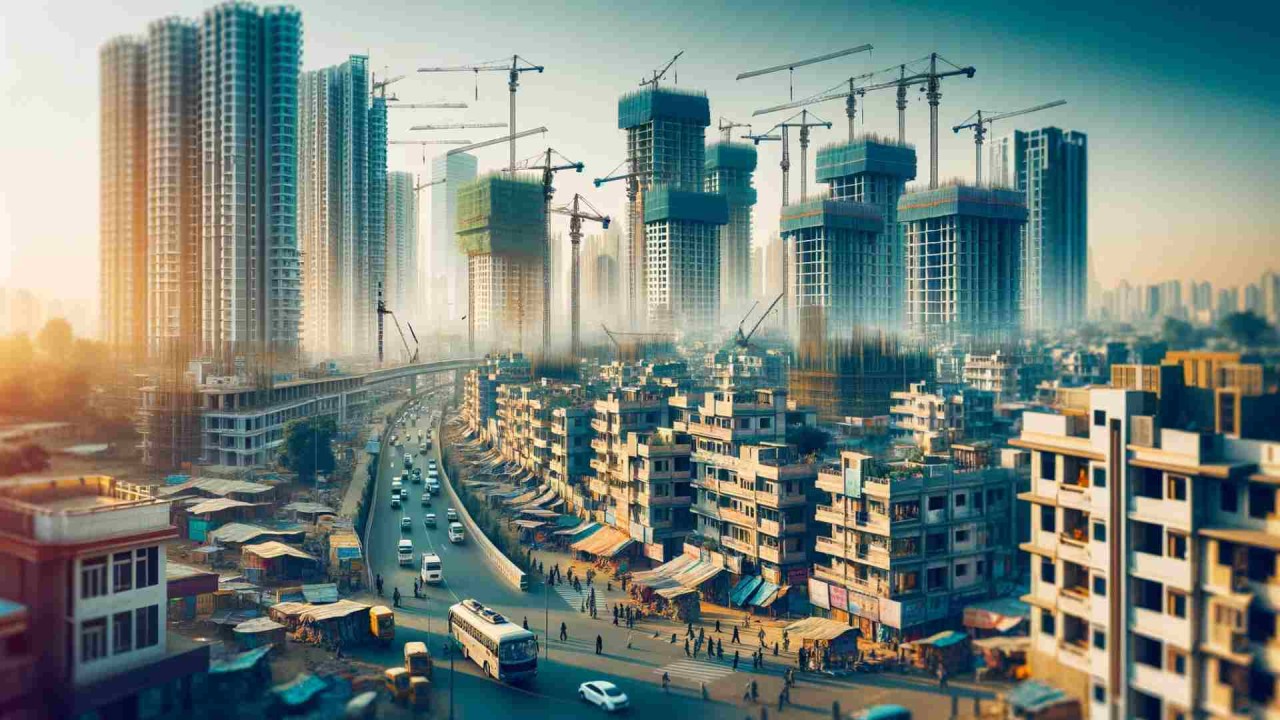
Foreign Direct Investment (FDI) has been a crucial catalyst in transforming India's real estate market, shifting focus from traditional sectors like IT services and Business Process Outsourcing (BPO) to real estate. As India grows into a global economic force, its real estate market, especially in the luxury segment, is experiencing significant development.
Key Growth Drivers
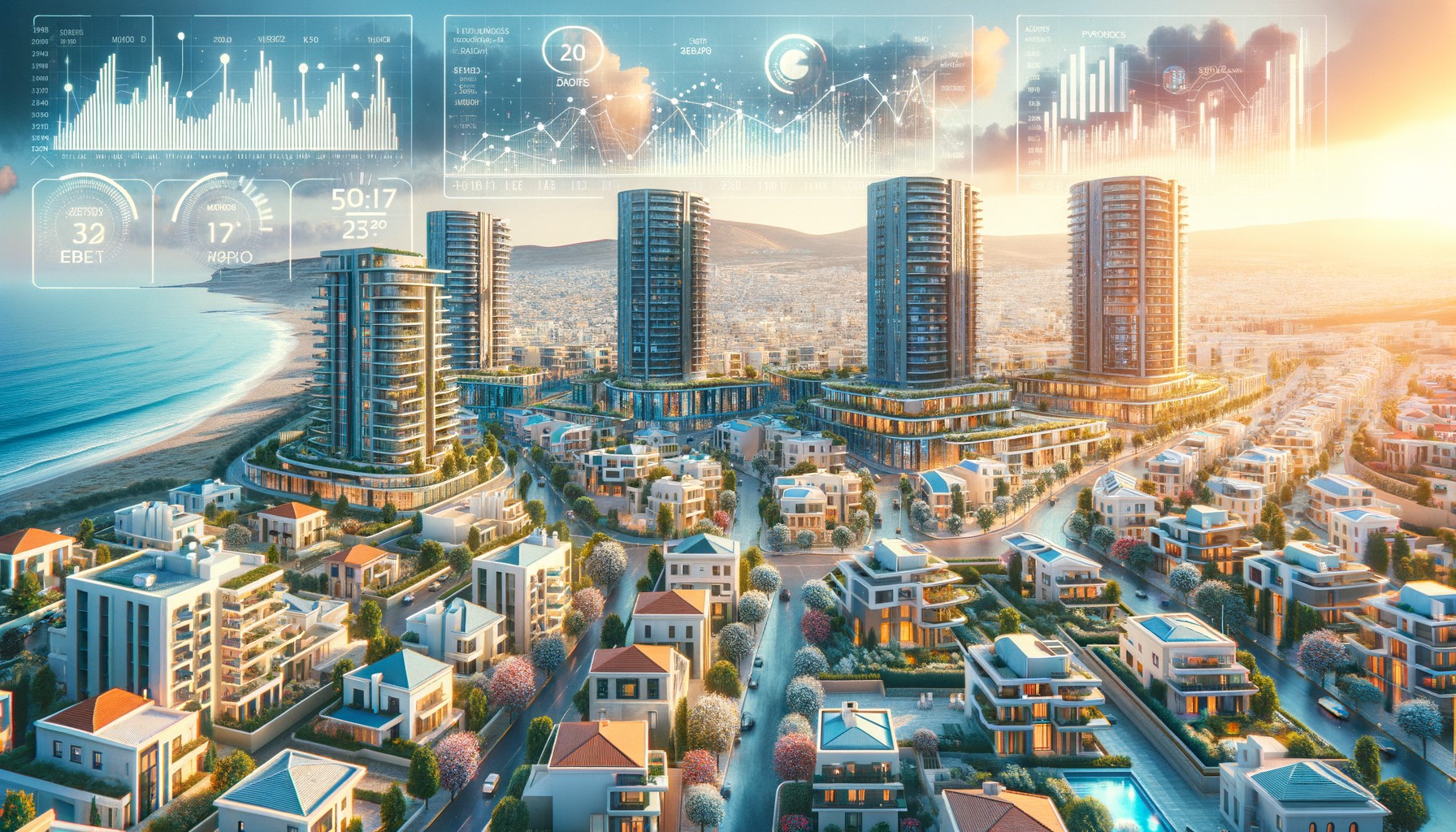
i. Luxury Real Estate Surge: India's urban centers, such as Mumbai, Delhi, and Bangalore, are seeing an increased demand for high-end residential and commercial spaces, driven by a growing affluent class and rapid urbanization. With the luxury real estate market expected to grow at a compound annual growth rate (CAGR) of 10-12% from 2024-2028, foreign investors are increasingly channeling funds into premium real estate projects. In 2023 alone, FDI in this sector reached USD 4.5 billion, an 18% rise compared to the previous year.
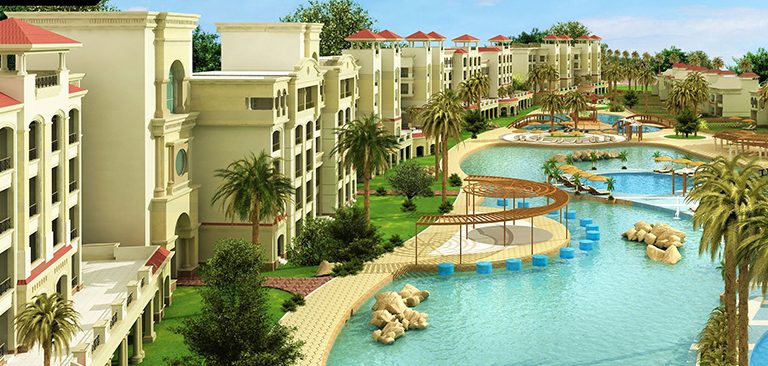
ii. Emerging Projects: Smart Cities and Advanced Warehousing: The real estate sector is diversifying beyond luxury housing. Beach Lagoon Cities, integrating sustainability with smart infrastructure, have become a draw for international investors. Additionally, the warehousing sector, fueled by the rise of e-commerce and the implementation of GST, is expected to grow to USD 20 billion by 2025. This segment saw a 22% increase in FDI over the last year.
iii. Sustainability and Tech Integration: With global emphasis on sustainability, India is embracing net-zero real estate projects, which focus on energy efficiency and green technologies. These projects are expected to grow by 15% annually. Simultaneously, the demand for data centers is surging due to the rapid expansion of the digital economy. India's data center market, projected to reach USD 5 billion by 2026, is attracting global investors looking for cutting-edge, sustainable facilities.
Strategic Advantages
India's appeal as an FDI destination is bolstered by several factors:
i. RERA (Real Estate Regulation and Development Act): Introduced in 2016, RERA has increased transparency and accountability in real estate, leading to a 25% boost in FDI since its enactment. The act ensures timely completion of projects and reduces risks for investors.
ii. Government Initiatives: Programs like 'Make in India' and 'Atmanirbhar Bharat' (Self-Reliant India) have created an investor-friendly environment, while the push for digitization and streamlining regulatory processes has improved the ease of doing business.
iii. Economic Stability: India's stable democratic framework and strategic economic reforms provide a predictable and attractive environment for global investors, making it a compelling alternative to markets like China, which faces geopolitical challenges and regulatory uncertainties.
Conclusion
The inflow of FDI into India's real estate sector is reshaping its landscape, particularly in luxury housing, smart infrastructure projects, and sustainable developments. As foreign investors continue to drive growth, India's real estate market is emerging as a key pillar of its economy, offering substantial opportunities for long-term gains in a dynamic, rapidly evolving market.