Central Bank of Chile Rules Out Bitcoin as a Reserve Asset
-
 Loading...
 - Mido Nabil
- 12 Dec 2024
- 31 Views
- 0 Like
- 0 Comment
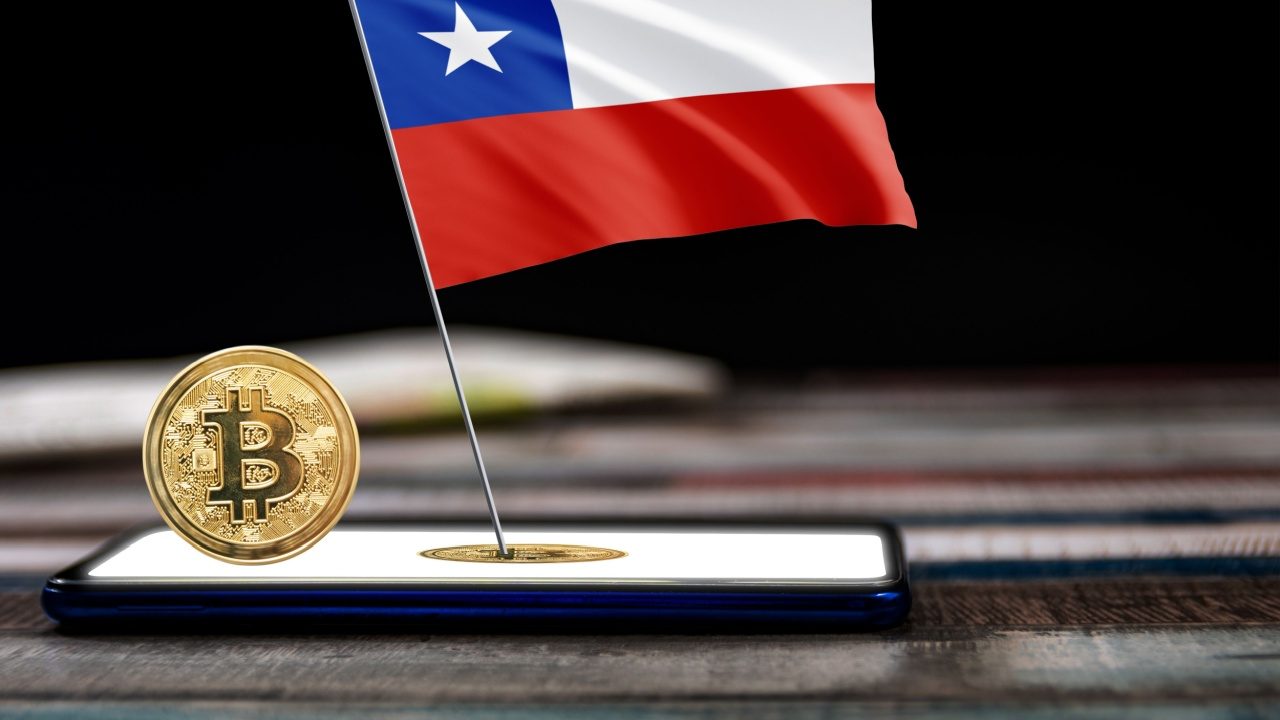
The Central Bank of Chile has recently stated that it will not consider adding bitcoin to its reserves, citing that the cryptocurrency does not meet the necessary requirements to be included as a bank investment. The decision was made in response to inquiries from the local press about the possibility of Chile following in the footsteps of other countries that have explored the idea of holding bitcoin as a reserve asset.
According to the Central Bank of Chile, international reserves are intended to maintain economic and financial stability in the face of external shocks and changing monetary policies. As such, these reserves must meet high standards in terms of security, liquidity, and quality, as defined by the International Monetary Fund (IMF). The bank stated that bitcoin and other cryptocurrencies do not fulfill these criteria, and therefore cannot be considered as part of its reserves.
The Central Bank of Chile's charter also limits the types of assets that can be included in its books to gold, securities, negotiable instruments, and instruments issued or guaranteed by foreign states, central banks, or international financial institutions. Bitcoin and other cryptocurrencies do not fall within these categories, and therefore cannot be included in the bank's reserves.
The bank's decision is not surprising, given the volatility and uncertainty associated with bitcoin and other cryptocurrencies. While some countries have explored the idea of holding bitcoin as a reserve asset, the Central Bank of Chile has made it clear that it has no plans to do so.
In contrast, Brazil has introduced a bill in Congress that would establish a strategic bitcoin reserve, making it a pioneer in the region and the world. The bill is still in its early stages, and it remains to be seen whether it will be passed into law.
The Central Bank of Chile's decision highlights the ongoing debate about the role of cryptocurrencies in the global financial system. While some countries are exploring the potential benefits of holding bitcoin as a reserve asset, others are more cautious, citing concerns about volatility and regulatory uncertainty. As the use of cryptocurrencies continues to evolve, it will be interesting to see how different countries approach the issue of reserve assets and the potential role of bitcoin and other cryptocurrencies in their financial systems.