Central Banks Expected to Announce Rate Cuts by End of Year
-
 Loading...
 - Galang Hadi
- 17 Dec 2024
- 77 Views
- 0 Like
- 0 Comment
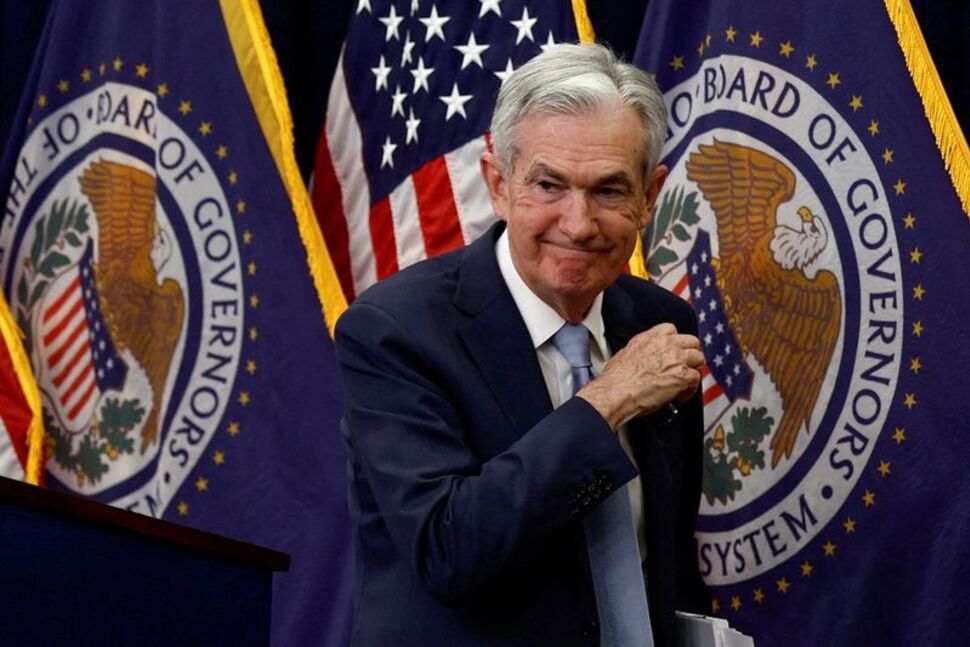
As central banks around the globe conclude their final monetary policy meetings of 2024, expectations are rising for potential interest rate cuts. The US Federal Reserve (Fed) is set to meet on December 17-18, with most analysts predicting a 0.25% reduction in rates. However, the Fed may indicate a more cautious approach to future cuts in 2025, as inflation in the US remains above the target of 2%.
The anticipation of rate cuts comes amid persistent inflation and improved economic indicators in the US since September 2024. The recent victory of Donald Trump in the presidential election introduces additional policy risks, including the potential for increased tariffs on imports from China and other countries, which economists believe could further exacerbate inflationary pressures.
In Europe, the European Central Bank (ECB) has already taken action, cutting its interest rate by 0.25% last week. This marks the fourth reduction this year, totaling a 1.0% decrease, with the deposit rate now at 3.00% and the lending rate at 3.40%. ECB President Christine Lagarde has stated that the disinflation process is progressing well, with Eurozone inflation projected to reach 2.1% in 2025 and decline to 1.9% in 2026.
Other European central banks have also announced year-end rate cuts. The Swiss National Bank surprised markets with a 0.5% cut on December 12, while Denmark's central bank reduced rates by 0.25%. The Bank of England is expected to maintain its rate at 4.75% during its meeting on December 19.
The Bank of Japan (BOJ) is anticipated to hold its policy interest rate steady at 0.25% during its meeting on December 18-19, as it awaits clearer signals regarding domestic wage trends and consumer spending. Analysts expect that any potential rate hike will be postponed until January, following the BOJ's last increase in July.
In Thailand, Finance Minister Pichai Chunhavajira has expressed hope that the Monetary Policy Committee (MPC) will lower the policy rate at its upcoming meeting on December 18. He cited low inflation levels despite improved economic growth in the latter half of 2024. Pichai also mentioned that the 2025 inflation target framework is nearing completion and will be submitted to the Cabinet in December, with the Finance Ministry and the Bank of Thailand (BOT) aiming for a balanced inflation rate of around 2%.
However, many economists are less optimistic about an immediate rate cut. Amonthep Chawla, head of Research and Investment Advisory at CIMB Thai Bank, predicts that the MPC will maintain the policy rate at 2.25% during the upcoming meeting. While he acknowledges the possibility of a rate cut due to slower economic growth and rising risks for 2025, he believes it is unlikely to occur at this time. Amonthep anticipates that the MPC may reduce the policy rate in February, with a total of three cuts throughout the year, potentially bringing the rate down to 1.50% by the third quarter.
Phacharaphot Nuntramas, chief economist at Krungthai Bank, assesses the likelihood of a rate cut at this meeting to be less than 50%. He expects the Thai economy to grow at 4% in Q4 of 2024 and maintain that rate in Q1 of 2025. Given the relatively strong economic performance, he does not foresee a rate cut in the upcoming meeting but anticipates a reduction to 2% next year, contingent on projected GDP growth of 2.7-2.8%. If growth falls below 2.5%, he expects a more significant rate cut.
As central banks globally navigate the complexities of inflation and economic growth, the anticipation of rate cuts reflects a broader trend towards accommodating monetary policy. In Thailand, while there is hope for a rate reduction, economists remain cautious, suggesting that any changes will depend on the evolving economic landscape in 2025. The outcomes of these meetings will be closely monitored, as they will have significant implications for both domestic and international economic conditions.