Children born from frozen embryos may have higher risk of cancer

Children born as a result of a common fertility procedure involving frozen embryos may have higher risk of cancer, Swedish researchers report.
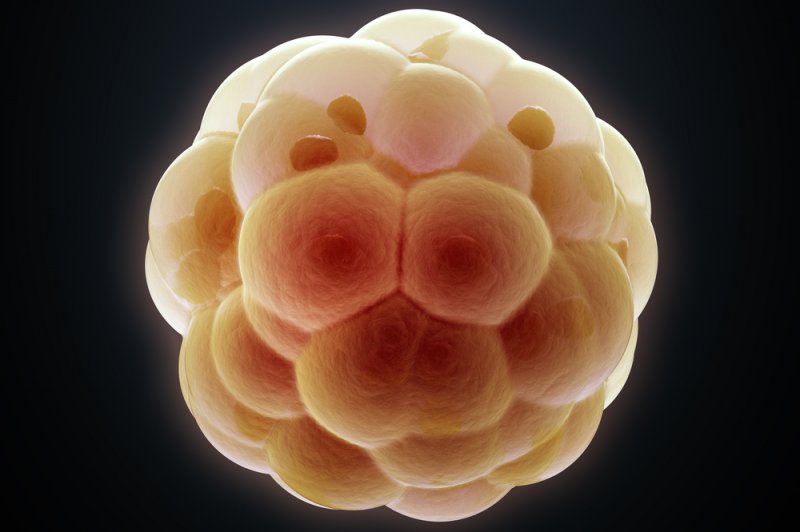
In frozen-thawed embryo transfer, an embryo is created in a laboratory from an egg and sperm, frozen and later thawed before implantation.
"The individual risk was low, while at a population level it may have an impact due to the huge increase in frozen cycles after assisted reproduction," said study co-author Ulla-Britt Wennerholm of the department of obstetrics and gynecology at the University of Gothenburg.
"No increase in cancer was found among children born after assisted reproduction techniques overall," she said.
The new findings were published online Thursday in PLOS Medicine.
Prior studies have suggested that children born after frozen-thawed transfer may have higher short-term health risks, but long-term risks have been less clear.
For the new study, researchers analyzed medical data from more than 7.9 million children in Denmark, Finland, Norway and Sweden. Of those, about 172,000 were born as a result of assisted reproductive technology (ART), including 22,630 born after frozen-thawed transfer. Read More…