Chile's to become “plurinational†state under new Constitution?
-
 Loading...
 - Solange Ruiz
- 24 Mar 2022
- 370 Views
- 0 Like
- 0 Comment
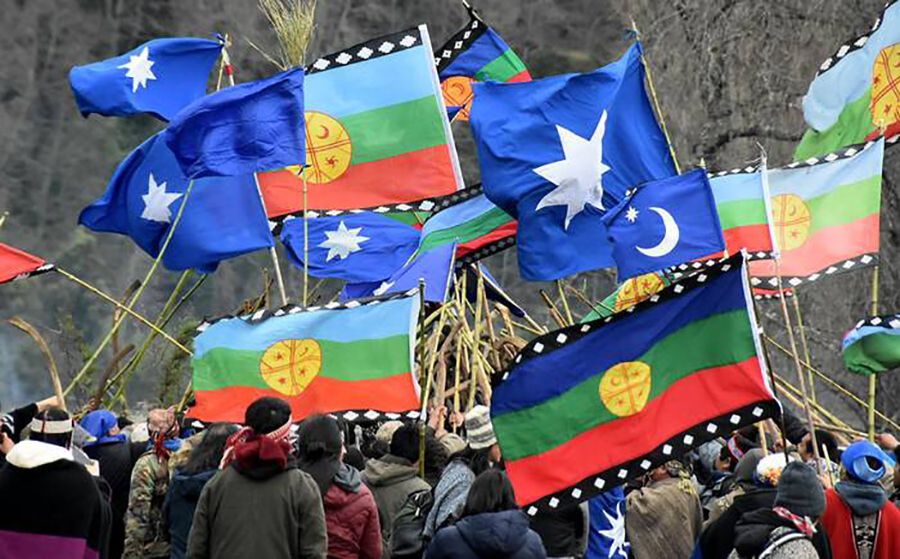
Chile's Constitutional Convention has agreed to redefine the country as a “Plurinational State” which will also recognize the self-government of native peoples, it was announced Wednesday in Santiago.
The provisions approved were added to the new Constitution being drafted.
As per the new institutional frame, native peoples will have the “right to the full exercise of their collective and individual rights.” The text mentions rights to self-governance and to recognize their lands and heritage.
The new constitution would also define Chile as a “Plurinational and Intercultural State.”
“Chile is a Plurinational and Intercultural State that recognizes the coexistence of diverse nations and peoples within the framework of the unity of the State,” according to the first paragraph of article 4, which was approved by 115 votes in favor, 34 against, and 4 abstentions.
By 110 votes in favor, 41 against, and no abstentions, it was also approved that “the Mapuche, Aymara, Rapa Nui, Lickanantay, Quechua, Colla, Diaguita, Chango, Kawashkar, Yaghan, Selk'nam, and others that may be recognized in the manner established by law are pre-existing indigenous peoples and nations”.
Both articles are to be included in the draft of the new constitutional text, which should be ready by the end of June for the citizens to approve or reject through a plebiscite.
On the other hand, article 5 of the text of the Political System was also approved. Its first paragraph states that the native peoples have “the right to the full exercise of their collective and individual rights.
”In particular, they have the right to autonomy and self-government, to their own culture, identity and cosmovision, heritage and language, to the recognition of their lands, territories and the protection of the maritime territory,“ among other entitlements. This proposal barely reached the 104 votes needed to move on to the draft of the constitutional text.
With 11 votes in favor, 35 against, and 5 abstentions, it was also approved that ”it is the duty of the Plurinational State to respect, guarantee and promote, with the participation of the indigenous peoples and nations, the exercise of self-determination and of the collective and individual rights of which they are holders.“ Read More...