Chilean gov't to push for pardons regarding Oct. 2019 protests
-
 Loading...
 - Nicolas Saez
- 23 Mar 2022
- 390 Views
- 0 Like
- 0 Comment
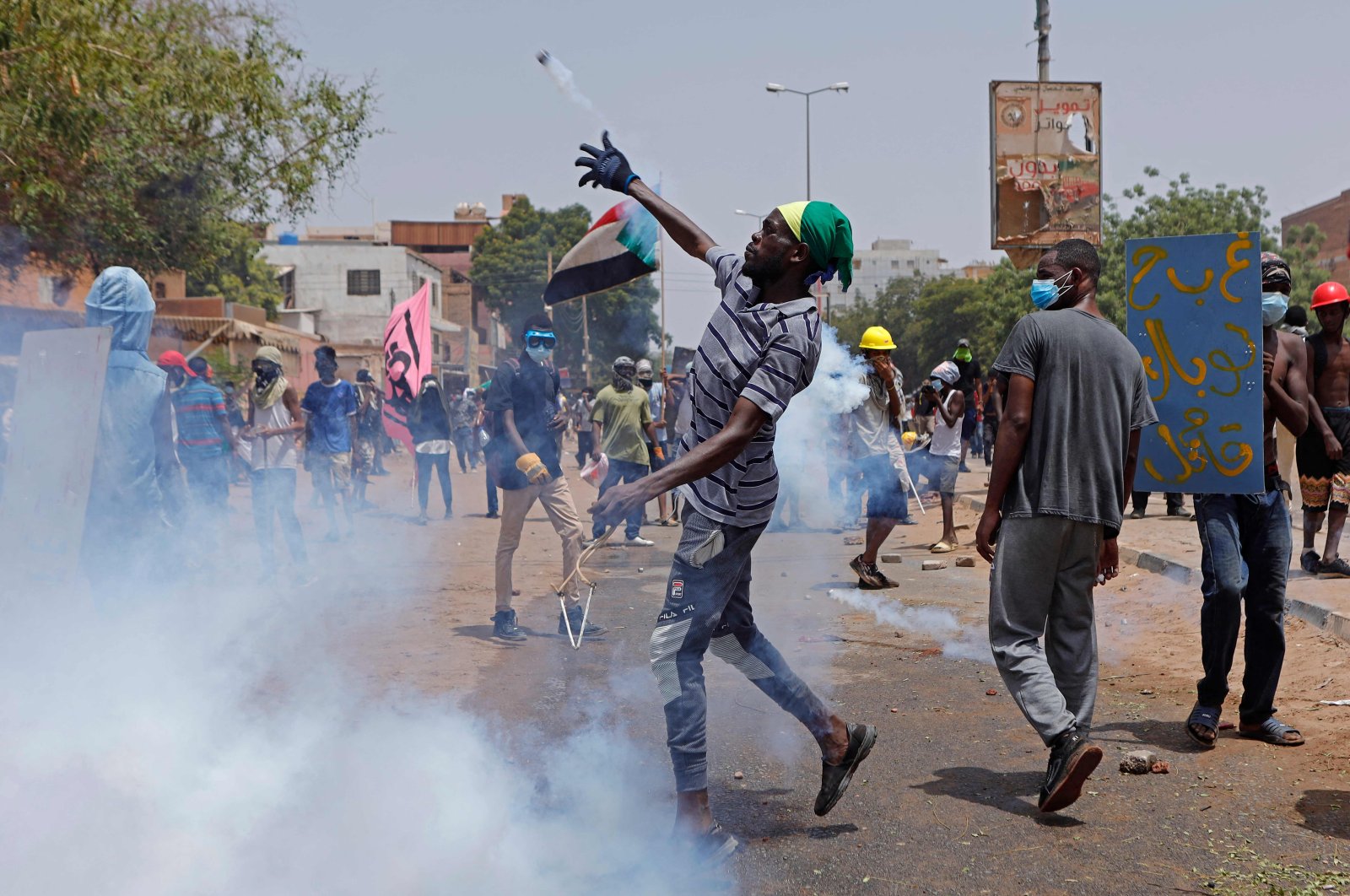
After its first week in office with acceptable ratings of approval, the Chilean government of President Gabriel Boric Font is eager to speed the passing of an amnesty bill to favor those who were arrested during the Oct. 2019 protests, it was reported in Santiago.
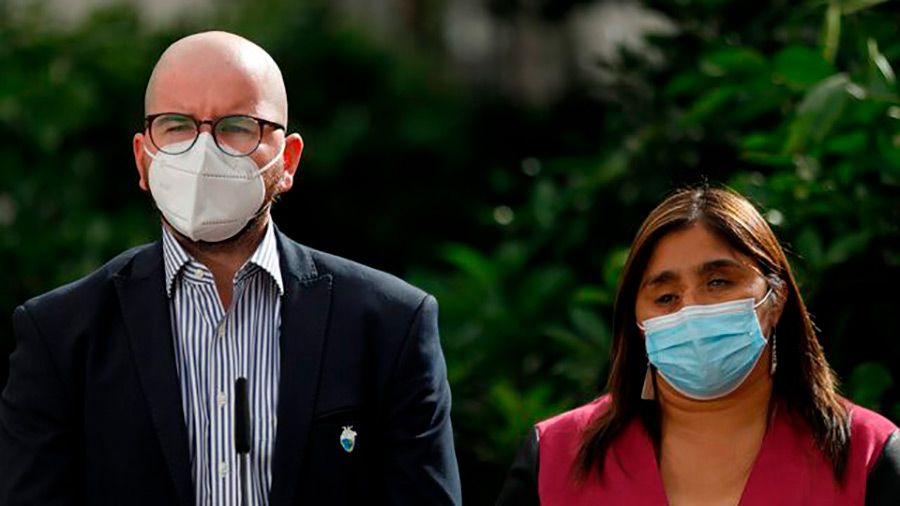
Presidential General Secretary Giorgio Jackson Monday announced the Government would grant the highest urgency possible to the amnesty project for the so-called prisoners of the social outburst. “Today we would like to begin by announcing the extreme urgency of the pardon or amnesty bill, as it has been called, which for us is important in terms of human rights,” Jackson said.
“Of course, there is a first debt and mission with respect to achieving the truth and justice with respect to the different cases of human rights violations that have occurred,” he added.
Jackson also said there had been meetings at the Ministry of Justice and Human Rights with victims of police violence, as well as with those who in one way or another were harmed.
Chile's president has the power to present three types of urgency to a Congressional plenum. In this case of extreme urgency, the bill will be sent to the Senate within 15 days. The initiative to follow this path came from Senator Fabiola Campillai, who was blinded by a tear gas bomb during the protests. “With this, I believe that we are going to appeal to the humanitarian sense of each senator to be able to obtain the necessary votes to approve this project,” she said.
Boric had a 50% approval rating after taking office March 11 to replace Sebastián Piñera, according to polling company Cadem. Among young people, however, his approval reached 67%, it was reported. However, among those over 55 years of age, Boric's performance was approved by barely 35% of people.
Among women, support reaches 52%, among high socioeconomic sectors 53%, among inhabitants of Santiago, 55%, and among those who identify themselves with the left, 89%.
Cadem also pointed out that Boric's ratings were similar to those of Piñera and Michelle Bachelet in their second governments (51% and 52%, respectively) after their first full week. Read More...