Home Upload Photo Upload Videos Write a Blog Analytics Messaging Streaming Create Adverts Creators Program
Bebuzee Afghanistan Bebuzee Albania Bebuzee Algeria Bebuzee Andorra Bebuzee Angola Bebuzee Antigua and Barbuda Bebuzee Argentina Bebuzee Armenia Bebuzee Australia Bebuzee Austria Bebuzee Azerbaijan Bebuzee Bahamas Bebuzee Bahrain Bebuzee Bangladesh Bebuzee Barbados Bebuzee Belarus Bebuzee Belgium Bebuzee Belize Bebuzee Benin Bebuzee Bhutan Bebuzee Bolivia Bebuzee Bosnia and Herzegovina Bebuzee Botswana Bebuzee Brazil Bebuzee Brunei Bebuzee Bulgaria Bebuzee Burkina Faso Bebuzee Burundi Bebuzee Cabo Verde Bebuzee Cambodia Bebuzee Cameroon Bebuzee Canada Bebuzee Central African Republic Bebuzee Chad Bebuzee Chile Bebuzee China Bebuzee Colombia Bebuzee Comoros Bebuzee Costa Rica Bebuzee Côte d'Ivoire Bebuzee Croatia Bebuzee Cuba Bebuzee Cyprus Bebuzee Czech Republic Bebuzee Democratic Republic of the Congo Bebuzee Denmark Bebuzee Djibouti Bebuzee Dominica Bebuzee Dominican Republic Bebuzee Ecuador Bebuzee Egypt Bebuzee El Salvador Bebuzee Equatorial Guinea Bebuzee Eritrea Bebuzee Estonia Bebuzee Eswatini Bebuzee Ethiopia Bebuzee Fiji Bebuzee Finland Bebuzee France Bebuzee Gabon Bebuzee Gambia Bebuzee Georgia Bebuzee Germany Bebuzee Ghana Bebuzee Greece Bebuzee Grenada Bebuzee Guatemala Bebuzee Guinea Bebuzee Guinea-Bissau Bebuzee Guyana Bebuzee Haiti Bebuzee Honduras Bebuzee Hong Kong Bebuzee Hungary Bebuzee Iceland Bebuzee India Bebuzee Indonesia Bebuzee Iran Bebuzee Iraq Bebuzee Ireland Bebuzee Israel Bebuzee Italy Bebuzee Jamaica Bebuzee Japan Bebuzee Jordan Bebuzee Kazakhstan Bebuzee Kenya Bebuzee Kiribati Bebuzee Kuwait Bebuzee Kyrgyzstan Bebuzee Laos Bebuzee Latvia Bebuzee Lebanon Bebuzee Lesotho Bebuzee Liberia Bebuzee Libya Bebuzee Liechtenstein Bebuzee Lithuania Bebuzee Luxembourg Bebuzee Madagascar Bebuzee Malawi Bebuzee Malaysia Bebuzee Maldives Bebuzee Mali Bebuzee Malta Bebuzee Marshall Islands Bebuzee Mauritania Bebuzee Mauritius Bebuzee Mexico Bebuzee Micronesia Bebuzee Moldova Bebuzee Monaco Bebuzee Mongolia Bebuzee Montenegro Bebuzee Morocco Bebuzee Mozambique Bebuzee Myanmar Bebuzee Namibia Bebuzee Nauru Bebuzee Nepal Bebuzee Netherlands Bebuzee New Zealand Bebuzee Nicaragua Bebuzee Niger Bebuzee Nigeria Bebuzee North Korea Bebuzee North Macedonia Bebuzee Norway Bebuzee Oman Bebuzee Pakistan Bebuzee Palau Bebuzee Panama Bebuzee Papua New Guinea Bebuzee Paraguay Bebuzee Peru Bebuzee Philippines Bebuzee Poland Bebuzee Portugal Bebuzee Qatar Bebuzee Republic of the Congo Bebuzee Romania Bebuzee Russia Bebuzee Rwanda Bebuzee Saint Kitts and Nevis Bebuzee Saint Lucia Bebuzee Saint Vincent and the Grenadines Bebuzee Samoa Bebuzee San Marino Bebuzee São Tomé and Príncipe Bebuzee Saudi Arabia Bebuzee Senegal Bebuzee Serbia Bebuzee Seychelles Bebuzee Sierra Leone Bebuzee Singapore Bebuzee Slovakia Bebuzee Slovenia Bebuzee Solomon Islands Bebuzee Somalia Bebuzee South Africa Bebuzee South Korea Bebuzee South Sudan Bebuzee Spain Bebuzee Sri Lanka Bebuzee Sudan Bebuzee Suriname Bebuzee Sweden Bebuzee Switzerland Bebuzee Syria Bebuzee Taiwan Bebuzee Tajikistan Bebuzee Tanzania Bebuzee Thailand Bebuzee Timor-Leste Bebuzee Togo Bebuzee Tonga Bebuzee Trinidad and Tobago Bebuzee Tunisia Bebuzee Turkey Bebuzee Turkmenistan Bebuzee Tuvalu Bebuzee Uganda Bebuzee Ukraine Bebuzee United Arab Emirates Bebuzee United Kingdom Bebuzee Uruguay Bebuzee Uzbekistan Bebuzee Vanuatu Bebuzee Venezuela Bebuzee Vietnam Bebuzee World Wide Bebuzee Yemen Bebuzee Zambia Bebuzee Zimbabwe
Blog Image

Chinese satellite in near miss with Russian ASAT test debris

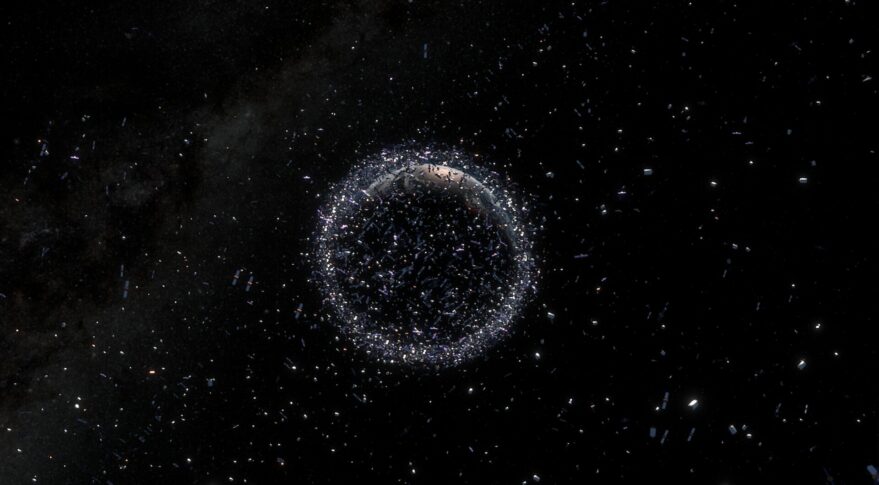
A Chinese satellite experienced a near miss Tuesday with a piece of debris created by Russia’s destructive anti-satellite test conducted in November.

The Space Debris Monitoring and Application Center of the China National Space Administration (CNSA) issued a warning Tuesday of an extremely dangerous encounter between the Tsinghua Science satellite (NORAD ID: 46026) and one (49863) of more than a thousand trackable pieces of debris from the Nov. 15 ASAT test.

The warning was shared by official Chinese language industry media China Space News and reported by Chinese media. The close encounter event is backed up data from U.S. space tracking.

The notice stated that the closest approach was to a distance of 14.5 meters, but there is likely much more uncertainty regarding the distances involved,satellite tracker Jonathan McDowell, of the Harvard-Smithsonian Center for Astrophysics, told SpaceNews via email.

“While publicly available U.S. tracking data confirm that debris object 49863 did pass very close to the Tsinghua Science Satellite on January 18, the claim that the distance was only 14.5 meters is meaningless since they don’t quote any error bar, or the level of uncertainty,” McDowell stated.

“It is very unlikely China’s tracking can determine this distance to an accuracy of better than 100 meters or more, so “within a few hundred meters” is probably all they can reliably say.”

CNSA established its Space Debris Monitoring and Application Center in 2015, at the National Astronomical Observatory of the Chinese Academy of Sciences.

The small, spherical Tsinghua Science satellite was launched in August 2020 on a Long March 2D rocket to make atmospheric density and gravitational field measurements. It is in a 478 by 499-kilometer orbit inclined by 97.4 degrees. 

The roughly 2,000-kilogram Russian Cosmos-1408 satellite was launched in 1982 and destroyed Nov. 15 by the direct-ascent anti-satellite missile test.

“The test so far has generated more than 1,500 pieces of trackable orbital debris and will likely generate hundreds of thousands of pieces of smaller orbital debris,” the U.S. Space Command Public Affairs Office stated shortly after the ASAT test.

China’s Foreign Ministry has so far declined to comment on Russia’s ASAT test, with attracted opprobrium from countries around the world. Asked to comment on the matter during a Nov. 16 press conference, foreign ministry spokesperson Zhao Lijian said, “We noted relevant reports and that Russia has yet to respond. I think it is too early to make any comment.”

Any response would likely be complicated by China’s own 2007 destructive, debris-creating ASAT test. That test created debris that continues to be a hazard for the satellites and the International Space Station and likely now China’s own crewed station.

In an article from Beijing tabloid Global Times Jan. 20, cited experts stated that further close encounters cannot be ruled out. “Currently, they keep a safe distance but the chance for these two getting close in the future cannot be excluded,” said space debris expert Liu Jing.

Aerospace commentator Huang Zhicheng, told the publication that the growing issue of space debris should be addressed, including through international legal mechanisms.

“It is not only necessary to conduct research on experimental devices or spacecraft to remove space debris, but also to formulate corresponding international laws and regulations on the generation of space debris under the framework of the UN,” Huang said. Read More…

Previous Post

Czech scientists planning to create map of resources in space

Next Post

James Webb Space Telescope reaches final stop a million miles out

Comments