Choosing the Best Lens for Wildlife Photography
-
 Loading...
 - Chiaki Makino
- 12 Aug 2022
- 76 Views
- 0 Like
- 0 Comment
Wildlife photography is one genre where the right lens makes a big difference, and the wrong one simply won’t let you get the shot. Wild animals may not be at optimal distances and they frequently appear in challenging light. So, how can you find the best lens to overcome the challenges of wildlife photography?
Luckily, compared to something like landscape photography lenses, there are relative few lenses that work well for wildlife photography, and they fall into fairly distinct categories. Once you understand these categories, you should be able to choose the best lens for your wildlife photography needs.
Is There a Best Wildlife Photography Lens?
Even ignoring price, I’d say there is no single best wildlife photography lens, simply because wildlife is such a huge category. If someone mentions wildlife, I typically think of birds, but there’s a lot more than just birds out there. There are mammals, insects, and herpetofauna to name a few. So, while a 600mm f/4 is great for birds, it might not be right for something like a larger, closer mammal (unless you’re using the lens to fight it off).
That said, there are still “best lenses” for certain situations and budgets in wildlife photography. In the following sections of this guide, I’ll introduce some of the different kinds of wildlife lenses and explain whether that lens is right for you.
The Budget Long Zoom Lens
I think that for most people, the budget zoom (which goes to at least 500mm) is going to be the optimal wildlife lens. These lenses start out at around 100mm and end at 400mm to 600mm. Some brands have two different options here, like a 100-400mm as well as a 200-600mm. They may differ in price, weight, or maximum aperture.
Below, I’ve listed the longest-available zoom for each major lens mount today, only counting first-party lenses. This isn’t an exhaustive list of all budget zooms (that list would get very long once third-party and older optics are included) but gives you an idea of the available options:
Among the third-party options, two of the most popular budget zooms today are the Tamon 150-600 G2 and the Sigma 150-600mm Contemporary.
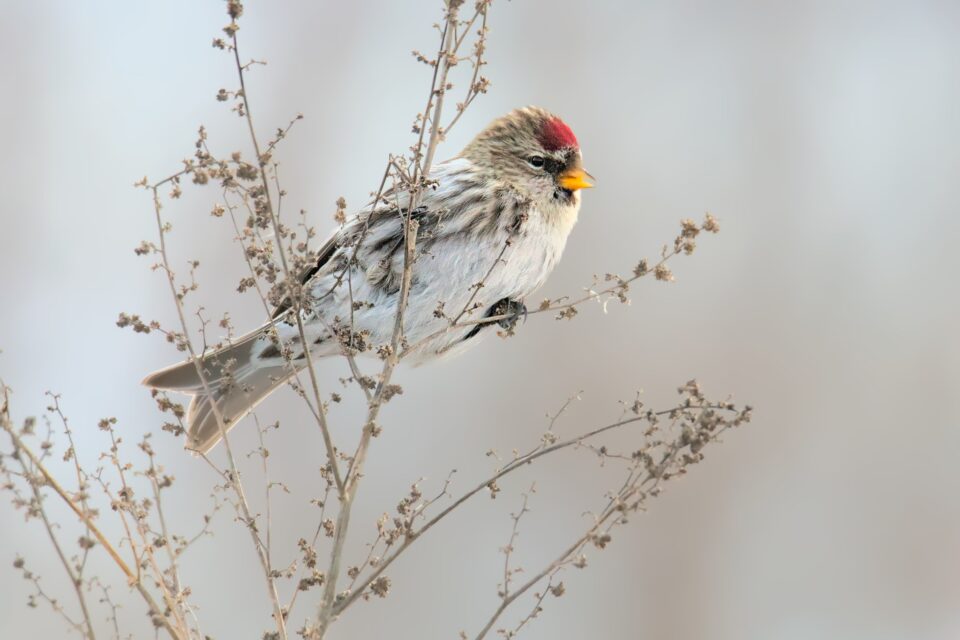
Long zooms like this tend to have three advantages: they are hand-holdable compared to huge primes, they have a wide zoom range, and they are relatively affordable. The zoom range is one of the nicest features of these lenses; they are perfect if you want to photograph many kinds of wildlife, from butterflies to dinosaurs. Most of these lenses also have decent minimum focus distances, which means you can fill the frame with smaller creatures like frogs.
That said, budget telephoto zooms have two disadvantages. The first is image quality: Especially at their maximum focal length, budget zooms don’t resolve as much detail as prime lenses. If you mainly photograph at the widest apertures like f/5.6, you may notice some softness up close no matter what you do.
However, with recent zooms, this difference is getting smaller. I was actually shocked at some of the images coming out of the Sony 200-600mm from some of my fellow wildlife photographers. This is also true of Canon’s 100-500mm, and this will probably be true of Nikon’s upcoming 200-600mm lens. So, if you do end up going the budget zoom route, a newer lens like this will offer the fewest compromises. Read More…