Colette: The most beloved French writer of all time
-
 Loading...
 - Jason Chloros
- 20 Feb 2023
- 62 Views
- 0 Like
- 0 Comment
An icon in her native France, Colette's scandalous life and works still captivate readers 150 years on from her birth, writes John Self.
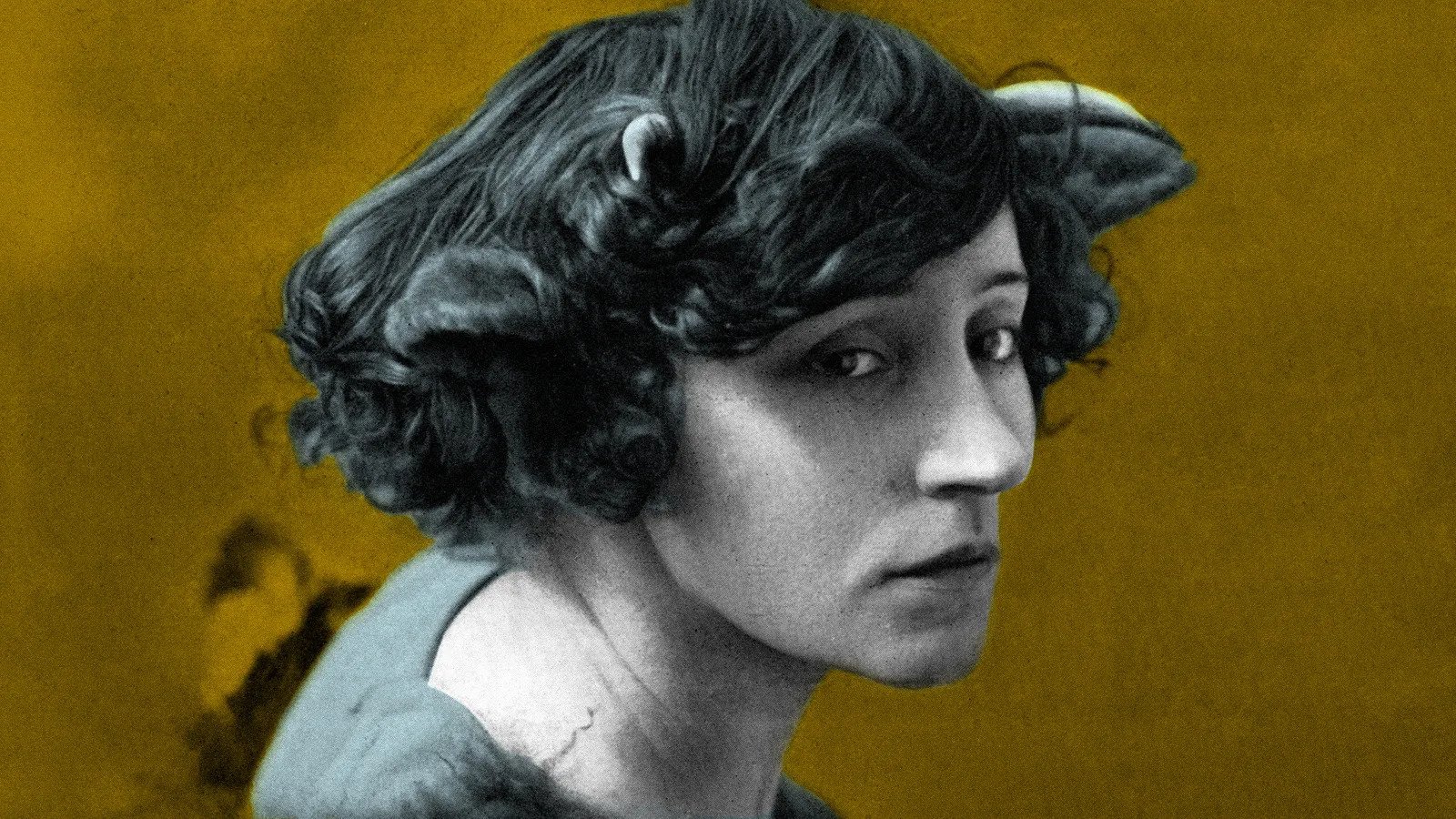
"How long Colette has lived, even after her death!" wrote the journalist Janet Flanner in 1967. More than half a century later, Colette lives on still, and this week sees the 150th anniversary of her birth. To mark the occasion, NYRB Classics has published a new translation of her twin masterpieces, Chéri (1920) and The End of Chéri (1926), translated by Paul Eprile – and this seems like a good opportunity to explore the life and work of this uniquely beloved of French writers.
Colette's fame extends to being probably the only female writer known by her mononym – she is always and only Colette, though in fact this most feminine of names was her surname: she was born Sidonie-Gabrielle Colette on 28 January 1873 in the French village of Saint-Sauveur-en-Puisaye.
The flesh, always the flesh, the mysteries and betrayals and frustrations and surprises of the flesh – Colette, in The Pure and the Impure
Her work – mostly at novella length, short and sharp – survives because her chief subject is one that never goes out of fashion. "Love, the bread and butter of my pen," she wrote, though she put it more bluntly in her book The Pure and the Impure (1932): "The flesh, always the flesh, the mysteries and betrayals and frustrations and surprises of the flesh." André Gide, that great connection point for 20th-Century French literature, agreed, praising Chéri for its "intelligence, mastery and understanding of the least-admitted secrets of the flesh".
The story of Colette and her work is one of the most astonishing in modern literature. She was a pioneer of the French school of autofiction (autobiographical fiction), writing about women's lives in ways that broke new ground. Her books were simultaneously popular and acclaimed – read by critics and the public alike – not to mention scandalous. And she made of her life a project just as fascinating as her books. But to understand her – her fertile productivity, her showiness, her expertise in the mysteries of the human heart, and her appetite for including herself in her books, disguised either lightly or not at all – we must first understand that she almost didn’t become famous in the first place.
A runaway success
Her first four books were the chronicles of fictional French schoolgirl Claudine – Claudine at School (1900), Claudine in Paris (1901), Claudine Married (1902) and Claudine and Annie (1903) – which she wrote at the behest of her first husband Henry Gauthier-Villars, a journalist and editor known by the less elegant pen-name of Willy. Once she wrote them – at times locked in a room to spur her to completion – and they were garnished with a few editorial suggestions by Willy ("Some girlish high jinks… you see what I mean?"), Willy had them published under his own name and kept the copyright and royalties. Read More…