Collaborative Algae Research Between Scientists in Germany and New Zealand

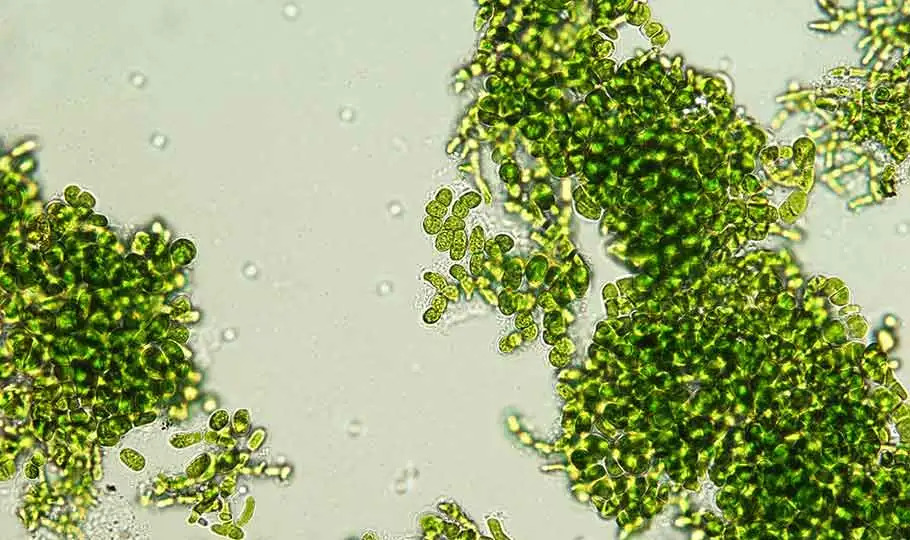
Algae, a versatile organism, holds untapped potential across various sectors, including fuel production, biocatalysis, and oxygen generation. Recognizing this, scientists from the Leibniz Centre for Tropical Marine Research (ZMT) in Bremen and the Leigh Marine Laboratory (LML) at the University of Auckland have embarked on a collaborative project to explore new dimensions of algae's capabilities.
Commencing in May 2024, the joint project focuses on "secondary metabolites" produced by algae, such as pigments and antibiotics. These compounds could have significant pharmacological and food science applications, according to Dr. Andreas Kunzmann, the project's head from the ZMT. This research is one of the latest initiatives funded by the German Academic Exchange Service (DAAD), aimed at facilitating project-related staff exchanges.
Dr. Kunzmann highlights the advantageous geographical similarities between Germany and New Zealand. Both countries are situated on comparable latitudes and in similar temperate zones, enabling meaningful latitudinal comparisons. “While the species of algae may differ, we expect them to exhibit similar characteristics,” Kunzmann explains.
Having collaborated with New Zealand counterparts for over 15 years, Kunzmann acknowledges the practical challenges posed by time differences and long distances. The DAAD funding allows for only one short visit per year, which Kunzmann believes is insufficient to accomplish all necessary work. Despite these challenges, he values the partnership highly, asserting that such collaborations are essential for drawing global-level conclusions.
Philipp Demling and his team at the Institute of Applied Microbiology at RWTH Aachen University are also collaborating with New Zealand academics. The RWTH team is investigating how yeast fungi can produce polyphosphates, while their New Zealand counterparts focus on microalgae.
Their joint project aims to quantify and characterize polyphosphates from microalgae, utilizing analytical methods from one organism to the other to achieve a more comprehensive understanding. The DAAD has supported this collaboration by funding three trips for RWTH scientists to spend several weeks at Massey University.
These collaborative efforts underscore the importance of international partnerships in advancing scientific research. By pooling expertise and resources, scientists from Germany and New Zealand are unlocking new possibilities in the study of algae, paving the way for innovative applications in various fields.