Commercial real estate development declines by 11% in Lagos
-
 Loading...
 - Tunde Bakare
- 13 Sep 2024
- 56 Views
- 0 Like
- 0 Comment
Commercial real estate development in Lagos State declined by 11% over the past year, driven by Nigeria’s ongoing economic challenges, including record-high inflation and a weakening currency, according to the 2024 Lagos Real Estate Development Pipeline Report from Estate Intel.
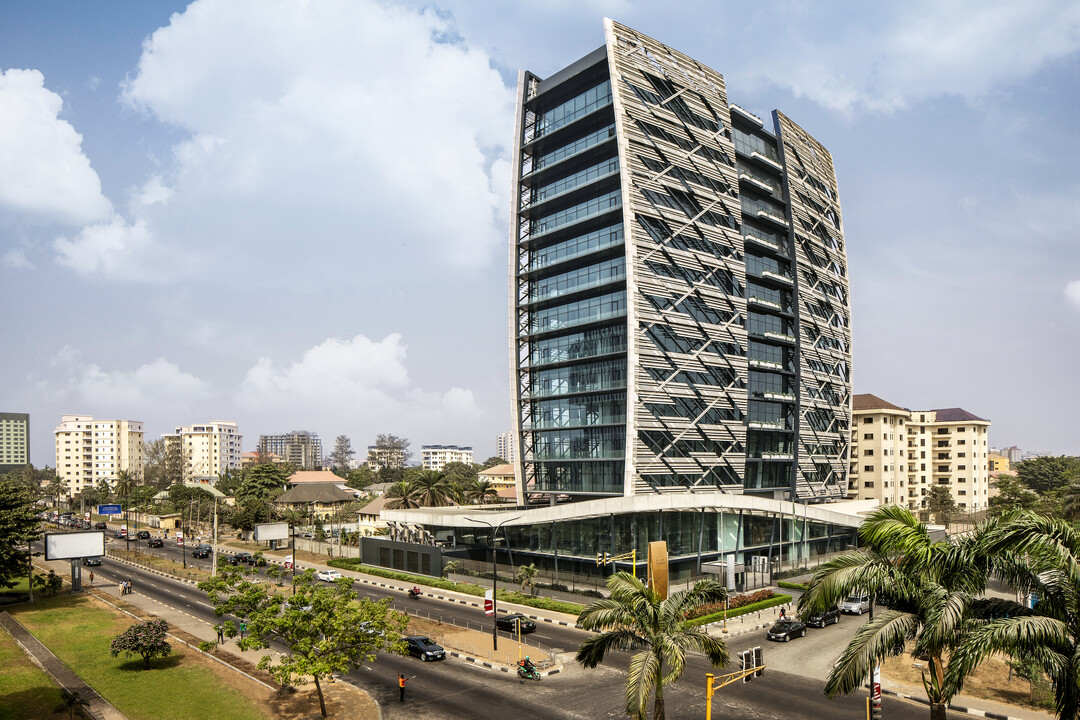
Despite this overall decline, the office sector saw a slight increase in its development pipeline, accounting for 16.25% of total stock, up from 14% in 2022. Notably, 13% of this pipeline is nearing completion, which could impact occupancy rates, particularly in prime areas like Ikoyi and Victoria Island, expected to receive 75% of new supply by 2025.
Dapo Runsewe, Senior Analyst at Estate Intel, highlighted that the Lagos office market is facing macroeconomic pressures, with rents remaining subdued as landlords offer concessions to maintain occupancies. Companies like Microsoft and Meta, tenants of Kings Tower, have downsized their operations in the country, which has further affected occupancy rates.
The retail sector remains subdued, with most development activity centered on hypermarkets and neighborhood supermarkets. Larger retail developments, which make up 70% of the pipeline, are currently on hold. The 30,000m2 Orca Mall is the only large-scale retail project under active construction, the first of its kind in two years. Despite these challenges, formal retail malls have maintained an average occupancy rate of 86% as of Q1 2024, although foot traffic has decreased outside the festive season.
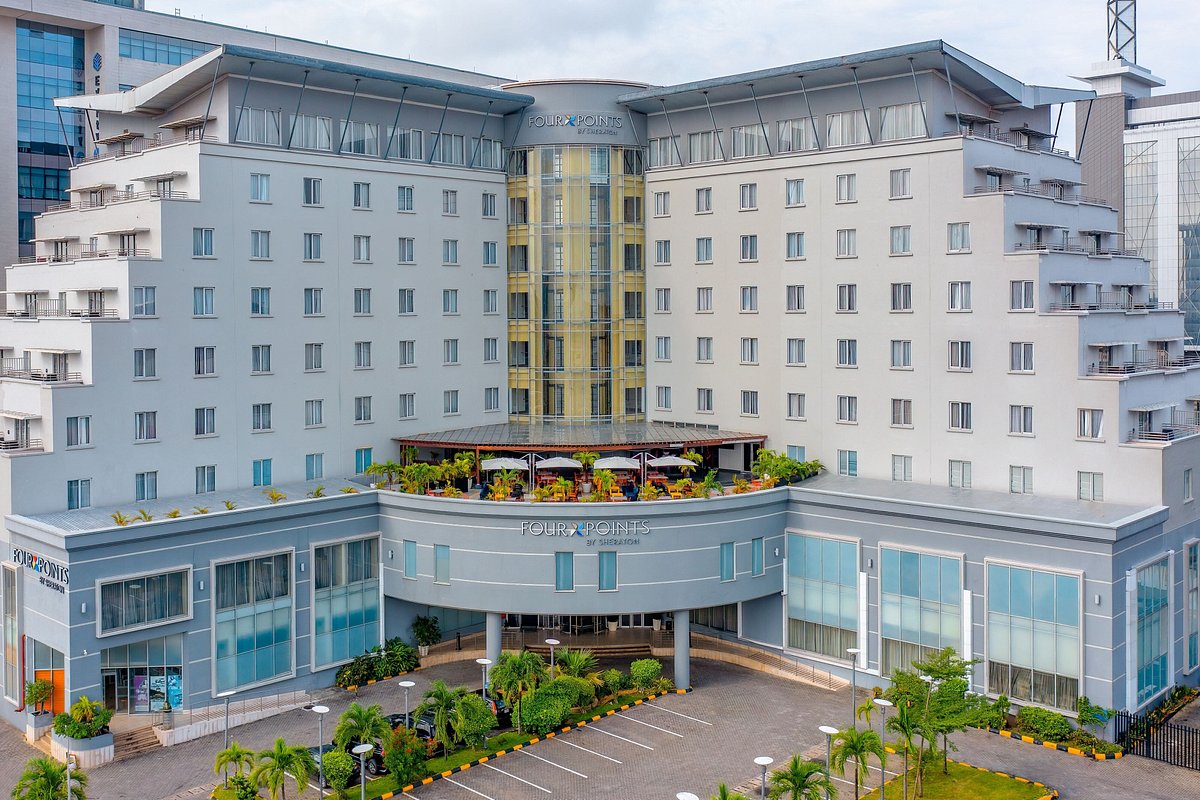
The hospitality sector emerged as the best-performing sector in 2023, with a 35% increase in Average Daily Rate (ADR) compared to 2022. The sector's pipeline grew to 38% of total stock, with a positive outlook due to limited imminent supply. Trevor Ward of W Hospitality noted the sector's remarkable recovery, with 2023 ADR surpassing pre-pandemic levels by about 35%.
Data centers continue to attract significant investor interest, driven by the growing demand for digital infrastructure across Africa, with supply expected to reach 200MW by 2025. The industrial sector, despite recent exits by multinational companies, remains optimistic due to strong domestic demand driving transaction activity.
The residential sector, particularly the low to middle segment, continues to see high demand, with an estimated 33,000 units in the pipeline, falling short of Lagos’ housing deficit, which is estimated at 2.3 million units. The government is pursuing mass housing projects to address this gap, presenting opportunities for private developers to collaborate, as seen with the Police Housing Scheme.
Dapo Runsewe emphasized that while the challenging macroeconomic climate has subdued construction activity, there are bright spots in the hospitality, industrial, and data center sectors. Additionally, informal retail presents a promising investment opportunity, as demonstrated by the growth of chains like Prince Ebeano Supermarket and Bokku! Mart across Lagos State.