Concerts and catwalks return to Venezuela, but only for those with cash
-
 Loading...
 - Helen Paul
- 14 Jun 2022
- 275 Views
- 0 Like
- 0 Comment
Venezuelan pop and reggaeton fans able to pay the equivalent of the monthly minimum wage for a concert ticket are filling venues for the first time in more than seven years to see their favourite national and international artists.
A partial easing of economic woes in the country, which remains marked by extreme inequalities, has encouraged the return of music events in Caracas and other cities.
Since March, singers such as the Dominican Republic's Natti Natasha, Colombian band Morat and vocal group Il Divo have performed in venues around the country.
“Many artists decided not to come to Venezuela [for years],” said Felix Colmenares, an events producer, noting that many of his peers left the country amid an exodus which has seen 6-million Venezuelans emigrate since 2015.
The events, mostly accommodating just a few thousand spectators, have tended to sell out, including an urban music festival that took place earlier this month in the parking lot of a Caracas shopping centre.
The thriving concert scene is one of several signs of a superficial improvement in Venezuela's economy since the relaxation of currency controls in 2019 and broader adoption of the US dollar, allowing the emergence of more high-end restaurants, cafes and even casinos, which were legalised in 2020.
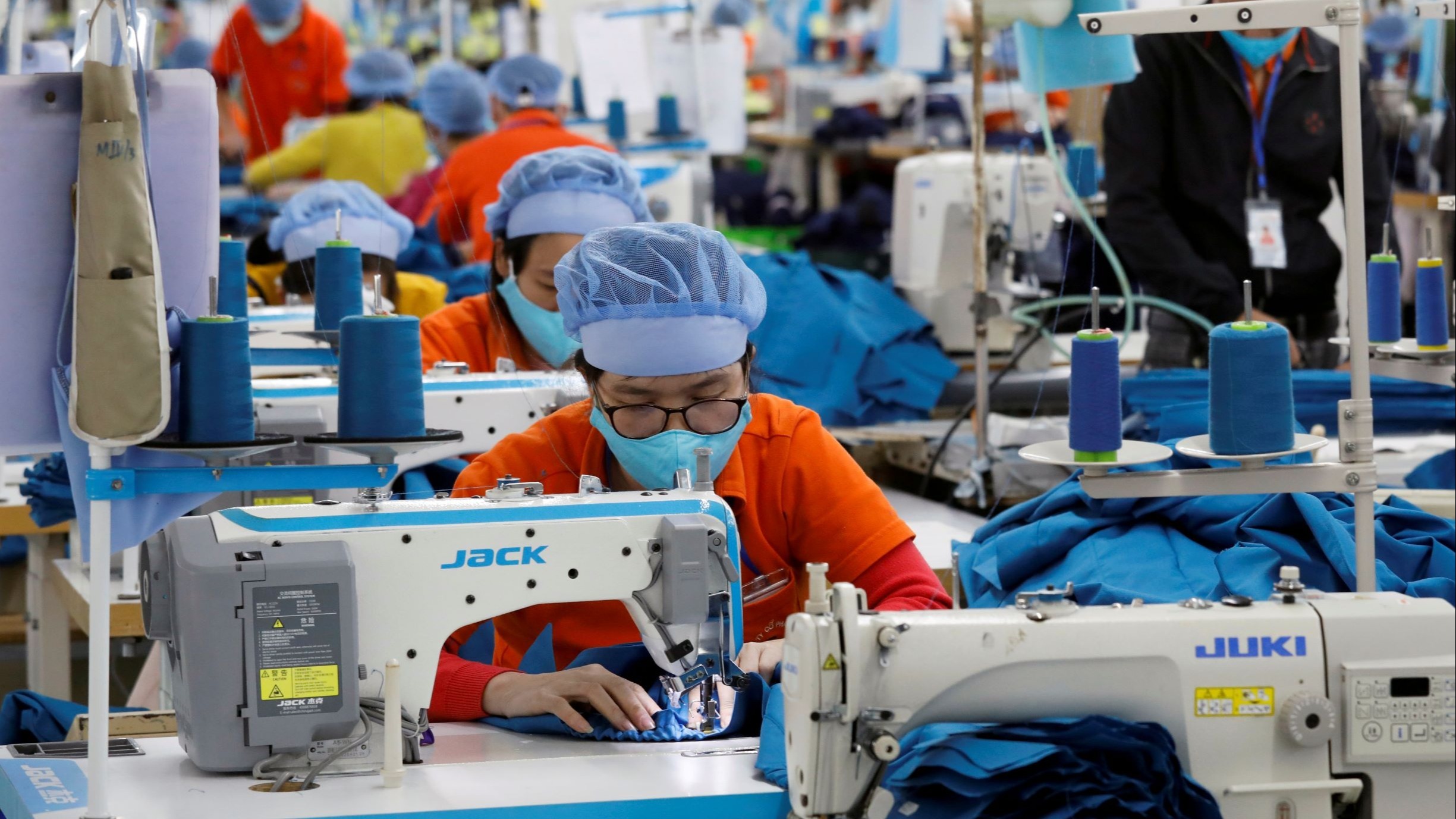
A local fashion week resumed at the end of April in a luxury hotel in Valencia, the capital of the central state of Carabobo, showcasing 27 homegrown designers' creations — from gala to casual wear in an effort to revive the country's struggling textile industry.
Two sources from the textile and footwear sector said they are reckoning with a series of tax hikes and tight credit, though dollarisation “helps”.
“People and concert promoters have given themselves the opportunity to bring joy, to change the reality a bit,” said Fabian Garcia, a hospitality student who travelled to the capital to attend the festival at the shopping centre.
But “in Venezuela we find contrasting realities ... Caracas is a bubble,” added the 18-year-old. In his western Venezuela hometown of Merida, he said he suffers from frequent power and water outages as well as petrol shortages.
The country is still struggling with low industrial production, deteriorating transportation services and a healthcare crisis, according to economists.
Inequality has worsened, with the income of the richest fifth of the population increasing last year to 46 times that of the poorest fifth, doubling the gap recorded in 2020, according to calculations by the local firm Anova Policy. It also noted a lumpy recovery in consumption across different segments of the population. Read More…