Congo-Kinshasa: What Coltan Mining in the DRC Costs People and the Environment
-
 Loading...
 - Malika Biloa
- 30 Aug 2022
- 66 Views
- 0 Like
- 0 Comment
The Democratic Republic of Congo (DRC) is rich in natural resources - its untapped deposits of minerals are estimated to be worth US$24 trillion. Gold, diamonds, cobalt and zinc are among them.
Another strategic mineral mined in the DRC is coltan - a name derived from "columbite-tantalite". In 2021, the DRC's coltan production amounted to an estimated 700 tonnes, making the Central African country the world's largest coltan producer by far.
Coltan is indispensable to the manufacture of all modern technological devices. The mineral is refined to tantalum powder, which is used to make heat-resistant capacitors in laptops, cellphones, and other high-end electronic devices.
The global coltan market was valued at US$1,504.81 million in 2019. It is expected to reach US$1,933.92 million by the end of 2026, growing at a rate of 5.58% a year between 2021 and 2026.
But activists, journalists and scholars have found a relationship between coltan exploitation and large-scale environmental degradation, human rights abuses, violence and death.
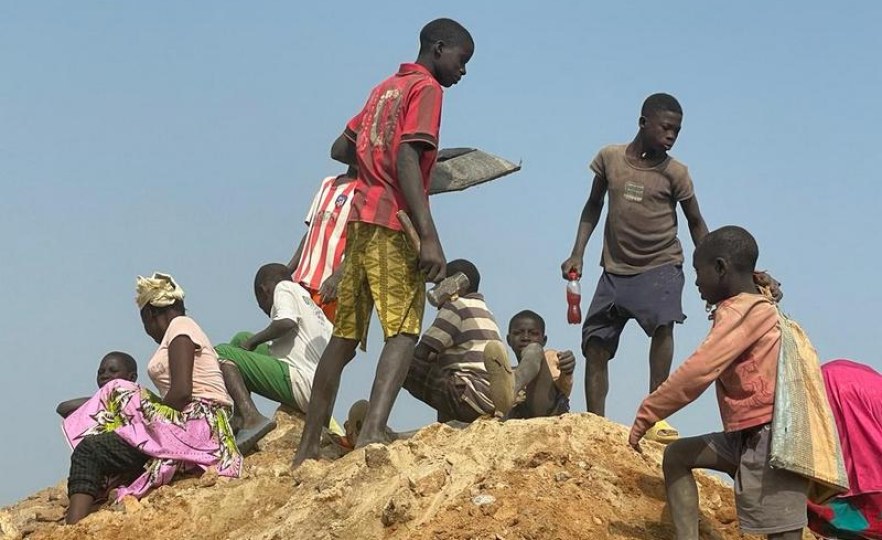
This can be seen in violation of environmental laws, child labour on mining sites, and complicity of mining companies in the abuses of populations at risk.
In my new study, I asked two research questions: what harms do coltan mining and trading cause to the environment and local people in north-eastern DRC? And what can the DRC government and private sector do to ensure responsible sourcing of coltan?
Coltan exploitation is destroying ecosystems and affecting wildlife habitats. Animals are being displaced from their natural habitat, leaving them vulnerable to poachers. The chemicals used in washing coltan are polluting water bodies and are harmful to people and animals.
My study raises awareness of the implications of this illicit mining and suggests multi-stakeholder interventions to halt environmental crime. Read More...


