COVID-19: New protocol out to protect Uganda's gorillas
-
 Loading...
 - Jude Mbabazi
- 14 Dec 2021
- 462 Views
- 0 Like
- 0 Comment
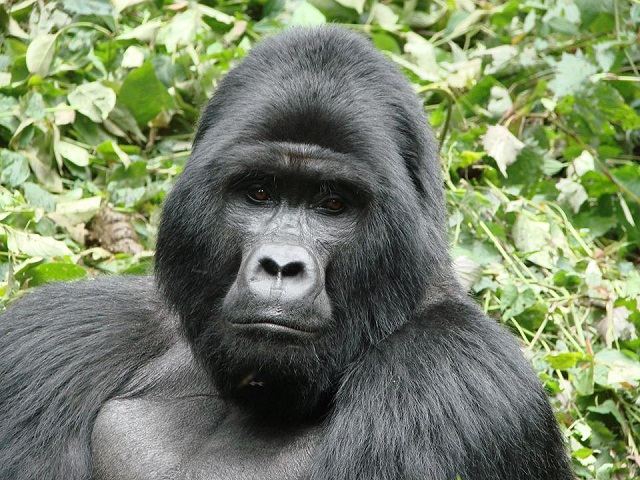
Under the guidance of the International Gorilla Conservation Program and Gorilla Friendly, updated gorilla trekking protocols have been issued to ensure minimal contact between the great apes and tourists who at times are likely to be disease carriers.
Gorilla Trekking Before Covid-19
The Covid-19 pandemic has changed a number of things in regard to gorilla trekking. Before the pandemic, a good number of tourists were visiting Bwindi Impenetrable National Park and Mgahinga Gorilla National Park, the only home to the endangered mountain gorillas in the Pearl of Africa.
With the breakout of the COVID-19 in March 2020, Uganda decided to close all its national parks and primate tourism was suspended due to the fear of the spread of the novel virus from humans to the great apes. It was also during that time that Bwindi impenetrable forest national park registered its highest baby boom in just 7 months.
When the gorilla parks were reopened, strict Standard Operating Procedures had to be adopted.
“Since gorilla tourism is one of the primary sources of gorilla conservation funds, it is important to do tourism in a careful and sustainable manner that must ensure the safety of the gorillas,” Bwindi officials said in a statement.
One didn’t need a face mask to trek with the gorillas, and it was only in Virunga national park where face masks were considered necessary before the pandemic
The old gorilla trekking protocols also discouraged anyone with flu or cough symptoms getting near the animals, as gorillas share 98% human DNA. This implies that the disease that affects humans also affects the gorillas.
They also did not allow smoking, eating or drink in the presence of the mountain gorillas and one had to maintain a 7 meters distance between them and the gorillas.
“But sometimes the gorillas defied this rule. In that case, the gorilla trekkers were always advised to sit quietly until the gorilla moves on. This was very common with the little gorillas which are very playful,” the statement from Bwindi said.
New Gorilla Trekking Protocols
In addition to the existing gorilla trekking protocols, the International Gorilla Conservation Program (IGCP) has come up with a list of protocols to ensure that diseases like Covid-19 and many more infectious diseases.
They are:
1. A Gorilla friendly pledge will be signed by the visitors to ensure that they adhere to the gorilla trekking protocol. This is done as a pledge to gorilla sustainability
2. Visitors are required to undergo a test for fever “temperature scanning” or sign of illness such as cough and flu prior to the gorilla trek. Once you are found ineligible for the trek, the parks usually have refund policies that have to be looked into before booking your gorilla trek.
3. Every visitor is expected to wear a face mask during their gorilla trek in any gorilla national park
Are Gorillas Safe?
A common question asked by travelers who would like to resume their gorilla trekking safaris in Uganda, Rwanda, and Congo. According to Makonzi Michael Kiwanuka working with Go Gorilla Trekking, one of the leading gorilla safari outfitters in the country, the gorillas are very safe!
“Tourists who have resumed their travels have embraced the new protocol as well as the Standard Operating Procedures (SOPs) that Uganda and Rwanda adopted while reopening the primate parks,” said Kiwanuka.
He adds that there are even plans to make rapid tests available to visitors looking to go gorilla trekking in Bwindi Impenetrable National Park. In the Volcanoes National Park of Rwanda, testing is available at Musanze the closest town to the park. All this is done to ensure that mountain gorillas are protected. Read More…