Cracking the Autism Code: Brain Study Reveals Four Distinct Subtypes
-
 Loading...
 - Farhan Hosen
- 12 Apr 2023
- 72 Views
- 0 Like
- 0 Comment
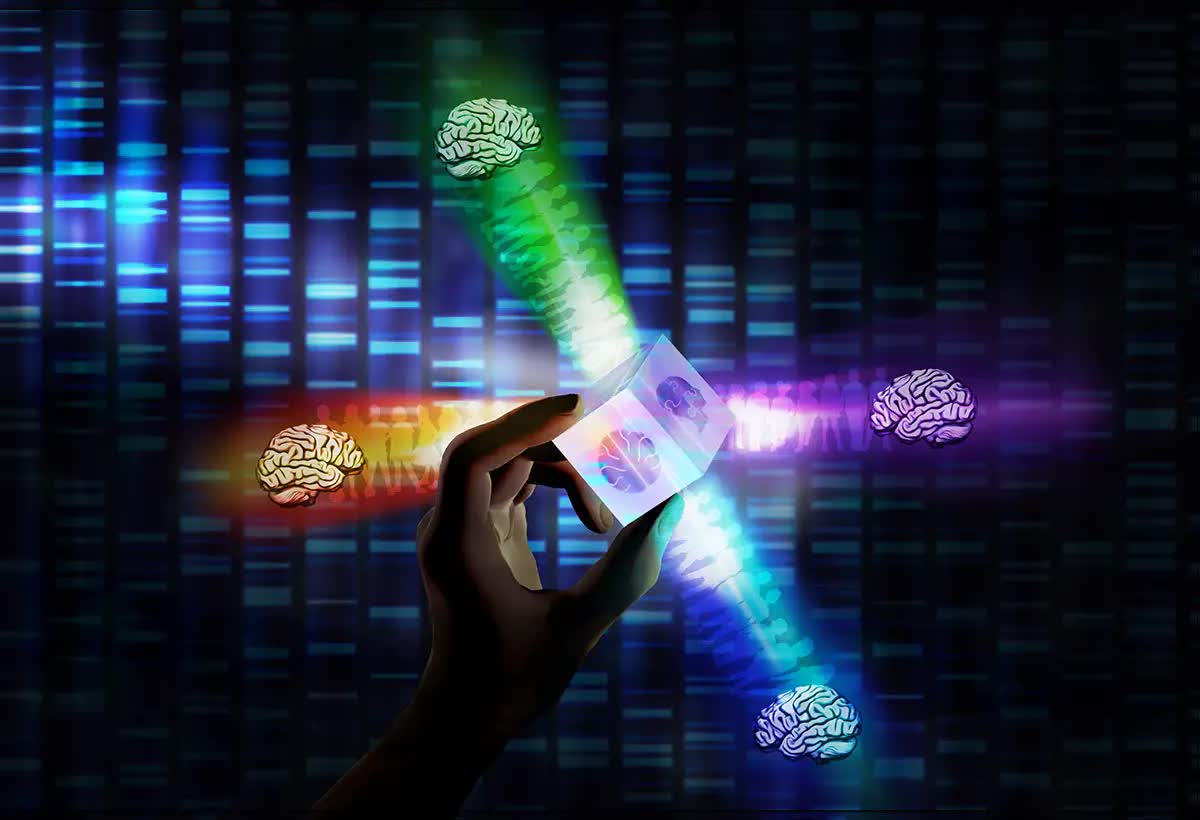
Researchers at Weill Cornell Medicine identified four distinct subtypes of autism spectrum disorder through machine learning analysis of neuroimaging data, potentially paving the way for more personalized treatments.
People with autism spectrum disorder can be classified into four distinct subtypes based on their brain activity and behavior, according to a study from Weill Cornell Medicine investigators.
The study, published on March 9 in the journal Nature Neuroscience, leveraged machine learning to analyze newly available neuroimaging data from 299 people with autism and 907 neurotypical people. They found patterns of brain connections linked with behavioral traits in people with autism, such as verbal ability, social affect, and repetitive or stereotypic behaviors. They confirmed that the four autism subgroups could also be replicated in a separate dataset and showed that differences in regional gene expression and protein-protein interactions explain the brain and behavioral differences.
“Like many neuropsychiatric diagnoses, individuals with autism spectrum disorder experience many different types of difficulties with social interaction, communication and repetitive behaviors. Read More…