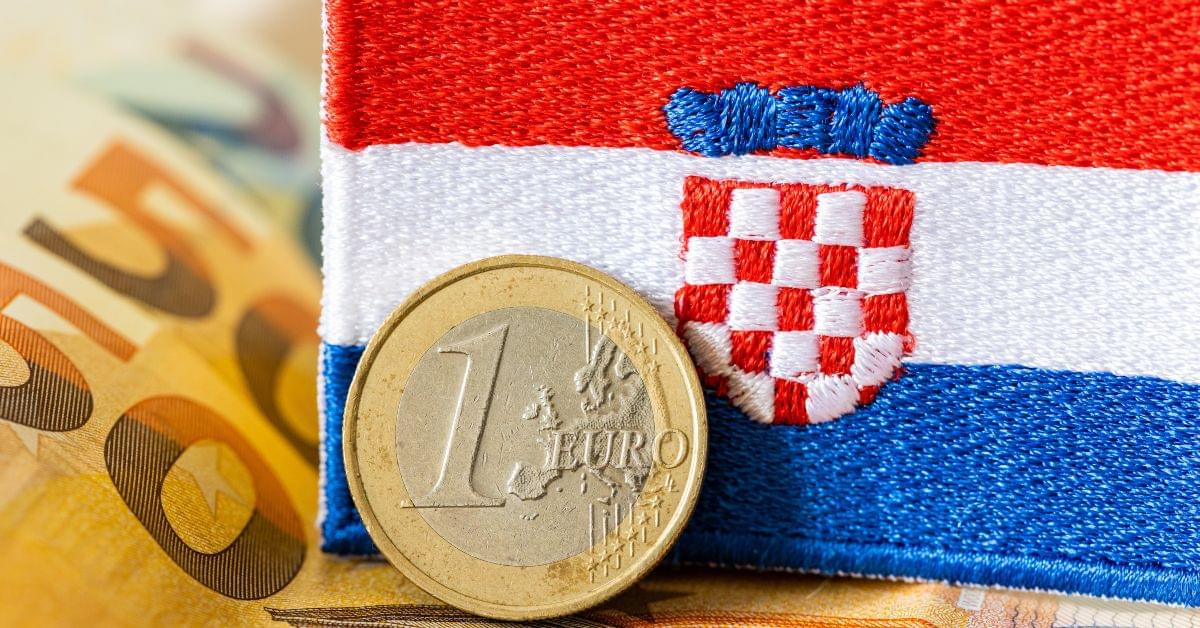
Croatia enters the Eurozone: what it means for property buyers
-
 Loading...
 - Thomas Thorn
- 30 Mar 2023
- 68 Views
- 0 Like
- 0 Comment
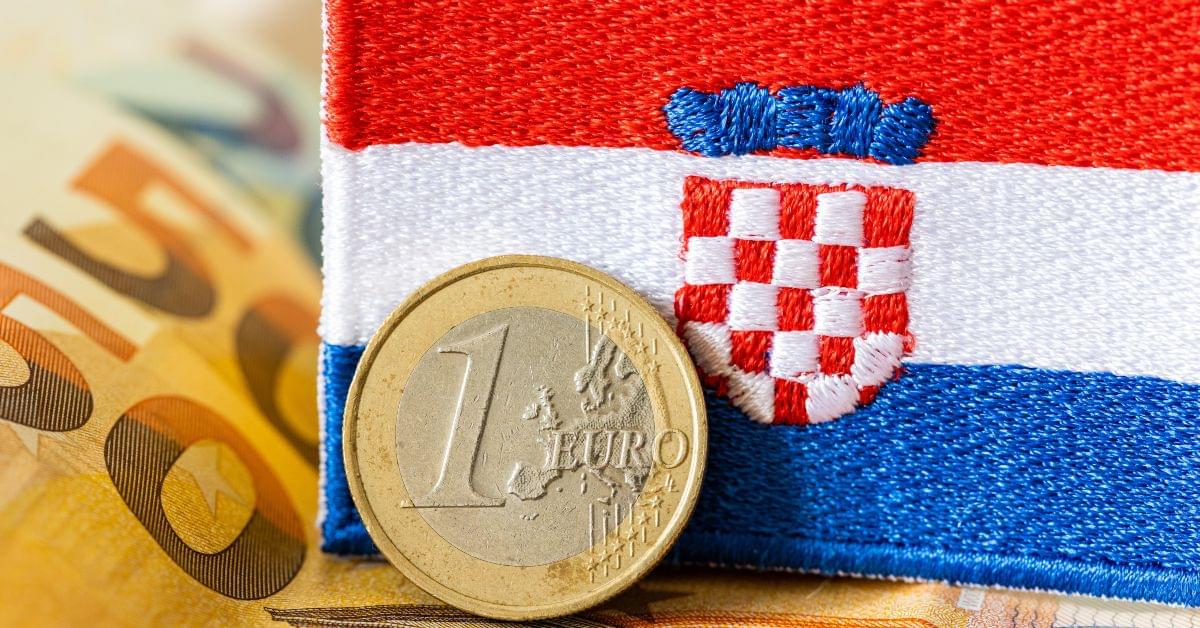
It’s finally happened: Croatia has entered the Eurozone as of 1st January 2023. It’s the first country to do so in seven years and comes amid a backdrop of difficult economic times around the globe. So as the Balkan nation bids farewell to the kuna and welcomes the euro, what will the impact be, particularly for property buyers?
A project ten years in the making
Ten years after it joined the European Union, Croatia has reached the ultimate transition point from its existing currency, the kuna, to the euro. It’d already spent two and a half years as part of ERM II, or the European Rate Mechanism II. This is the system that firstly aims to stabilise the currencies of non-Eurozone (and non-opt-out) currencies within the EU and secondly works as an assessment method of those looking to join the currency bloc.
During this period, the kuna was nominally allowed to fluctuate up to 15% around the euro’s value. In practice, however, it closely followed the single currency without excessive unilateral movement (note that this doesn’t mean the kuna didn’t move, as all currencies do, but that it didn’t move outside of the euro trend). This was nothing particularly unusual, as it has been a policy of the Croatian National Bank since the Euro’s inception.
In November 2020, Prime Minister Andrej Plenković stated his aim to adopt the euro by the beginning of 2023. In July 2022, with budget deficit requirements met, the European Parliament voted 539 for Croatia to join the eurozone. Read More…