Cryptocurrency trading has some surprising side effects. And the brain drain is just one of them
-
 Loading...
 - Sienna Gray
- 24 Aug 2022
- 194 Views
- 0 Like
- 0 Comment
When 31-year-old marketing professional Tale Anastasov first heard how much money could be made mining cryptocurrency, it sounded almost too good to be true. But when his friend sold his apartment and purchased dozens of crypto-mining rigs in 2020, Anastasov decided to get in on it.
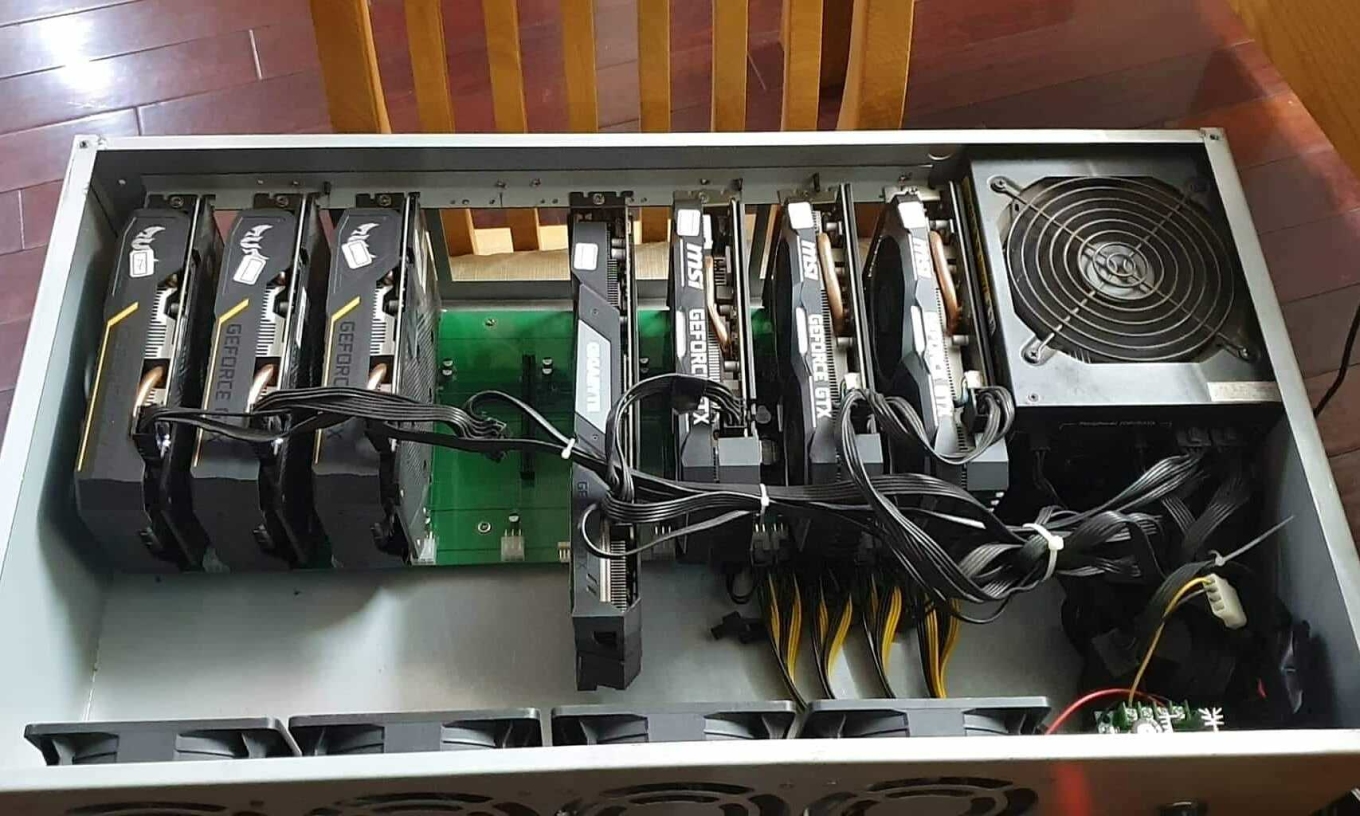
"I bought two crypto-mining rigs for €3,000 each, hoping that this investment could soon make me a passive income of around €500 a month. I was mining Ethereum, which at the time had a price of around €300," Anastasov tells ZDNet.
Having bought the mining rigs in October 2020, during the next few months, Ethereum's price nearly doubled.
"In December, the price of Ethereum increased to €600, and already in January 2021, it was more than €1,600. By April, my investment had already paid out. Then I invested again and spent around €15,000 on four mining rigs," Anastasov says.
Originally from the small town of Veles in North Macedonia, Anastasov now lives in the country's capital of Skopje. For a country where the average salary is just under €500 per month, many young Macedonians – like Anastasov – are looking to the crypto world as an opportunity to make considerably more money than they'd get from a regular full-time job.
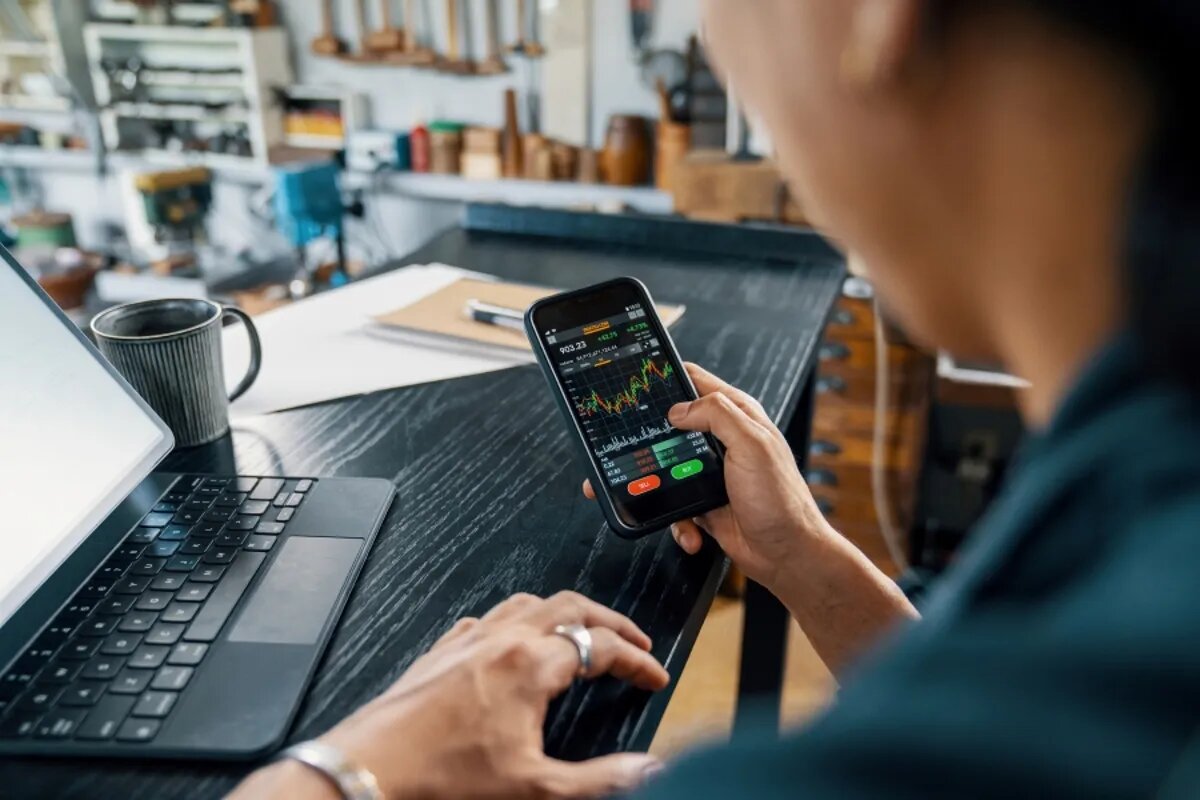
Others, like Skopje-based fitness trainer Stefan Angelovski, have even quit their jobs to trade cryptocurrencies full-time. Tired of taking underpaid work, 34-year-old Angelovski has been working as a crypto trader for the past few years. Every morning he wakes up and logs onto the crypto stock market through apps like Binance or Coinbase to see what's happening.
"Crypto trading is what I do all day long, every day," he tells ZDNet. Angelovski says he hasn't seen a lot of success over the past year, but claims he now makes enough money through trading crypto to stop him needing a full-time job.
Much like the rest of the world, the crypto craze is sweeping the Balkans. Serbia, for example, is one of the few countries that have introduced regulations on cryptocurrencies, adopting laws in June last year that recognize them as virtual assets that can be purchased, sold, transferred and exchanged.
More importantly, they can be taxed. In Serbia, earnings gained through trading cryptocurrencies are considered capital gains and taxed at 15%. Read More…