Cryptocurrency Transactions Grow 100% in 3 Months in Bolivia
-
 Loading...
 - Luna Becerra
- 22 Oct 2024
- 44 Views
- 0 Like
- 0 Comment
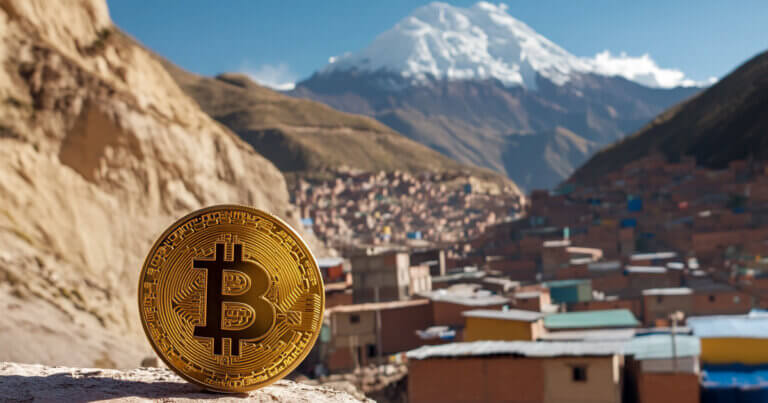
Cryptocurrency transactions in Bolivia have surged by over 100% in just three months. This growth follows the suspension of a previous ban imposed by the Central Bank of Bolivia (BCB), which aimed to mitigate risks and fraud associated with digital assets. The recent policy change has opened the door for Bolivians to engage in financial transactions using cryptocurrencies, reflecting a growing acceptance of these digital assets.
According to the BCB, the number of cryptocurrency transactions exceeded 1.12 million in the last quarter, surpassing the previous six-month high of 936,000 transactions recorded before the ban was lifted. This represents a remarkable 141% increase in cryptocurrency operations, indicating a burgeoning interest among the Bolivian population in utilizing digital assets.
The average monthly trading volume in cryptocurrencies has also seen a substantial rise, increasing from $7.6 million to $15.6 million. This brings the total trading volume for the last quarter to approximately $46.8 million. Notably, the majority of these transactions have focused on stablecoins, suggesting that Bolivians are prioritizing stability in their cryptocurrency investments.
In June, Bolivia approved a resolution that enabled the use of electronic payment channels and instruments for the purchase and sale of virtual assets. This regulatory shift has facilitated broader participation in the cryptocurrency ecosystem, making it easier for individuals to access and operate on digital platforms.
The BCB has emphasized that this new resolution not only boosts the number of cryptocurrency transactions but also paves the way for the modernization of Bolivia's financial system. By integrating crypto assets, the country is positioning itself to adopt advanced financial technologies that could enhance its economic landscape.
Edwin Rojas Ulo, acting president of the Central Bank, stated, "BCB is paving the way for the use of crypto assets in Bolivia," highlighting the significance of this advancement for the nation’s economic future and innovation development.
The adoption of cryptocurrencies has the potential to enhance financial inclusion in Bolivia, allowing more citizens to access banking and payment services. This is particularly important in a country where many individuals lack traditional bank accounts. The ability to conduct fast and secure transactions through cryptocurrencies could transform business operations and personal finance management for many Bolivians.
Furthermore, integrating cryptocurrencies into the financial system could attract foreign investment and promote international trade. The capacity to process overseas transfers and facilitate e-commerce payments opens new avenues for local businesses, potentially leading to sustained economic growth.
Recognizing the importance of education in the cryptocurrency space, the BCB has incorporated virtual assets into its 2024 Economic and Financial Education Program. To date, 33 workshops have been conducted nationwide, engaging over 3,000 participants. These workshops aim to inform the public about the characteristics, risks, and functionalities of cryptocurrencies, promoting responsible and informed usage of these financial tools.
The BCB stresses that education is crucial for ensuring users understand both the opportunities and risks associated with cryptocurrencies. As more individuals enter this market, equipping them with the necessary knowledge to navigate the complexities and potential pitfalls of digital assets becomes essential.
The recent rise in cryptocurrency transactions in Bolivia reflects a broader need to revitalize the economy amid foreign currency shortages and to explore new investment and digital commerce opportunities. By enabling electronic payment channels for cryptocurrency transactions, Bolivia is aligning itself with the global trend of adopting innovative financial technologies. This shift not only promises to enhance the financial landscape but also positions Bolivia for potential economic growth and modernization in the years to come.