Czechs among the major exporters of the world of exotic animals, partly as a communist heritage
-
 Loading...
 - Kirsty Duke
- 20 Jan 2022
- 400 Views
- 0 Like
- 0 Comment
Prague was recently ranked as one of the most dog-friendly cities in the world, but Czechs also according to data from the Ministry of the Environment and the Convention on International Trade in Endangered Wild Fauna and Flora Species (CITES). I like breeding. (And breeding) more exotic seeds.
The practice has its origins in the communist era, says PavlaŘíhová from the Institute of Environmental Studies at the Faculty of Science, Charles University.
In the Czech Republic, domestic animals are generally very popular hoppy. It probably has something to do with our history, as in the communist era, when people couldn’t travel much, they started practicing hobbies such as animal breeding, gardening and beekeeping.

“Since then, we have focused on various exotic animals such as parrots and various reptiles, and there have been many breeders. And, of course, because we are simply high production, supersaturated because of the domestic market. Export many of these animals. “
Currently, according to the CITES database, there are about 50,000 breeders and traders in the Czech Republic, but according to PavlaŘíhová, the actual number could be much higher.
Compared to other EU countries, “the huge amount of animal breeders like the Czech Republic stands out. In Portugal, there are hundreds of breeders, while in Hungary, for example, there are just about 3,000.”
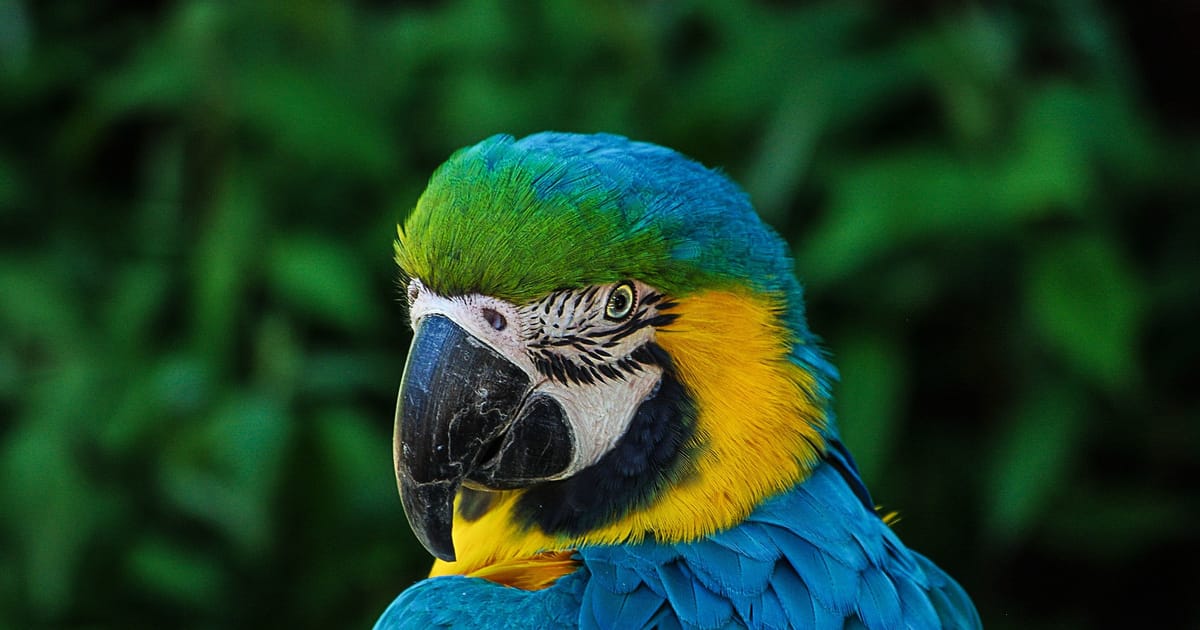
Birds make up the majority of animal species exported from parrots, especially the Czech Republic, such as Eastern rosella, Rose-ringed parakeet and Fischer’s lovebird. They are usually exported to Middle Eastern countries such as the United Arab Emirates and Israel, but they can also be exported to Pakistan. Reptiles, on the other hand, tend to reach the United States or Japan, depending on the particular species.
The number of exported animals on the CITES database has tripled since 2010, and the Czech Republic is now ranked fourth in the world in terms of exotic bird exports, after South Africa, Cuba and the Philippines. Species within their own natural habitat. Read More…