Danish Food: 12 Traditional Dishes to Look For in Denmark
-
 Loading...
 - Brandon Stevens
- 11 Jan 2022
- 522 Views
- 0 Like
- 0 Comment
Thanks to the success of Noma and high-profile Danish chefs like René Redzepi, the New Nordic Cuisine movement has become synonymous with Danish food. Beautifully-presented dishes made with the freshest seasonal ingredients is often the first thing people think of when they think of Danish cuisine.
But what about traditional Danish foods? The foundation for this new culinary movement seems to be getting lost in the excitement of reinventing the old!
As appealing as New Nordic Cuisine may be, traditional Danish cooking remains just as interesting, especially for people experiencing it for the first time. To highlight those recipes, we’ve compiled this list of twelve classic Danish dishes to look for on your next trip to Copenhagen.
WHAT IS TRADITIONAL DANISH FOOD?
Before the Industrial Revolution, traditional Danish food was heavily reliant on local produce. Families lived on bread, fish, pork, and potatoes and kept a storage of long-lasting food products like rye, barley, dried peas, and salted pork.
With rapid industrialization came an increase in the consumption of fresh meat, vegetables, and milk. The introduction of wood-burning stoves and meat grinders led to the creation of new dishes like Danish meatballs, sausages, and breaded pork patties. Thanks to sausages and rye bread, Danish open-faced sandwiches were invented in the 19th century and became a practical way for factory workers to pack a quick and filling lunch.
By the end of the 20th century, Danes started to travel more widely and became interested in the cuisines of other countries like France and Spain. They adapted these techniques and used local ingredients to transform traditional Danish food into beautifully presented Nordic dishes.
THE BEST TRADITIONAL DANISH DISHES
1. Smørrebrød
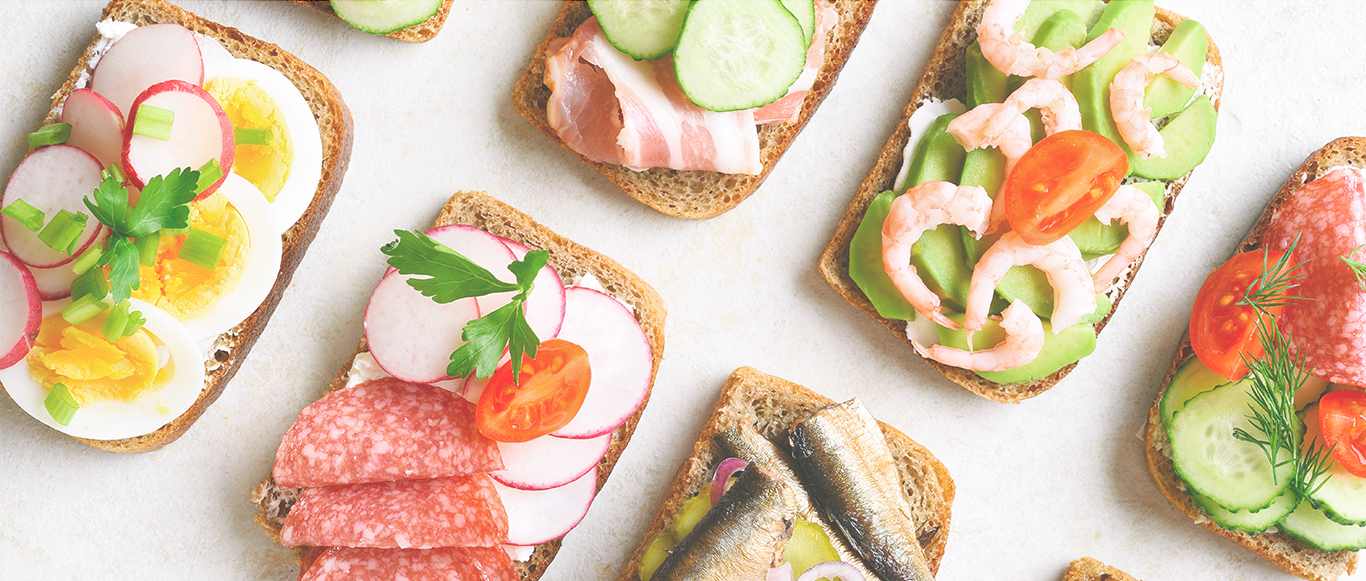
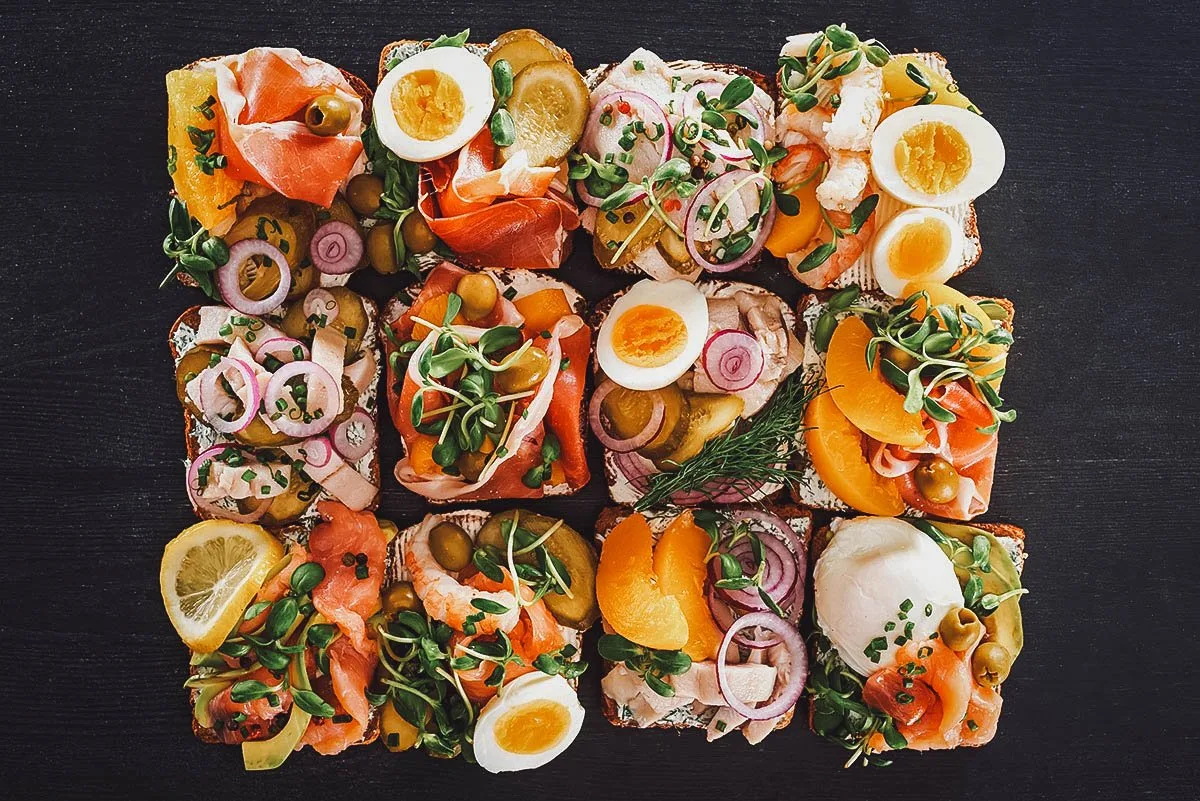
There’s no better (or prettier) way to start this Danish food guide than with smørrebrød, Denmark’s artful contribution to the world of sandwiches. A national dish of Denmark, smørre brød translates to “butter bread” and refers to the endless variety of beautifully crafted Danish open-faced sandwiches.
Open-faced sandwiches have existed in Europe since the Middle Ages but it wasn’t until the onset of industrialization in the 19th century did the smørrebrød tradition take hold in Denmark. Factory workers could no longer return home for lunch so they’d pack open-faced sandwiches made with buttered rye bread topped with smoked fish, cold meats, and the previous night’s leftovers.
The practice caught on and eventually became a part of Danish food culture. Not only did smørrebrød provide a quick and tasty meal, but they were a practical way of recycling leftovers. Over time, smørrebrød became a common sight on holiday tables and could be found on Danish restaurant and pub menus across the country.
Today, Danish smørrebrød can range from the simple to the lavish. It always starts with Danish rye bread (rugbrød) primed with a thin layer of butter or goose fat to keep the bread from getting soggy. A variety of local ingredients are then arranged on top like pickled herring, cold cuts, salmon, shrimp, hard-boiled eggs, fruit, herbs, and microgreens.
Unlike your typical sandwich, smørrebrød is never eaten by hand. They’re eaten with a knife and fork and always in the proper order. When sampling a variety of toppings, herring is always eaten first, followed by other types of seafood, meat, and then cheese.
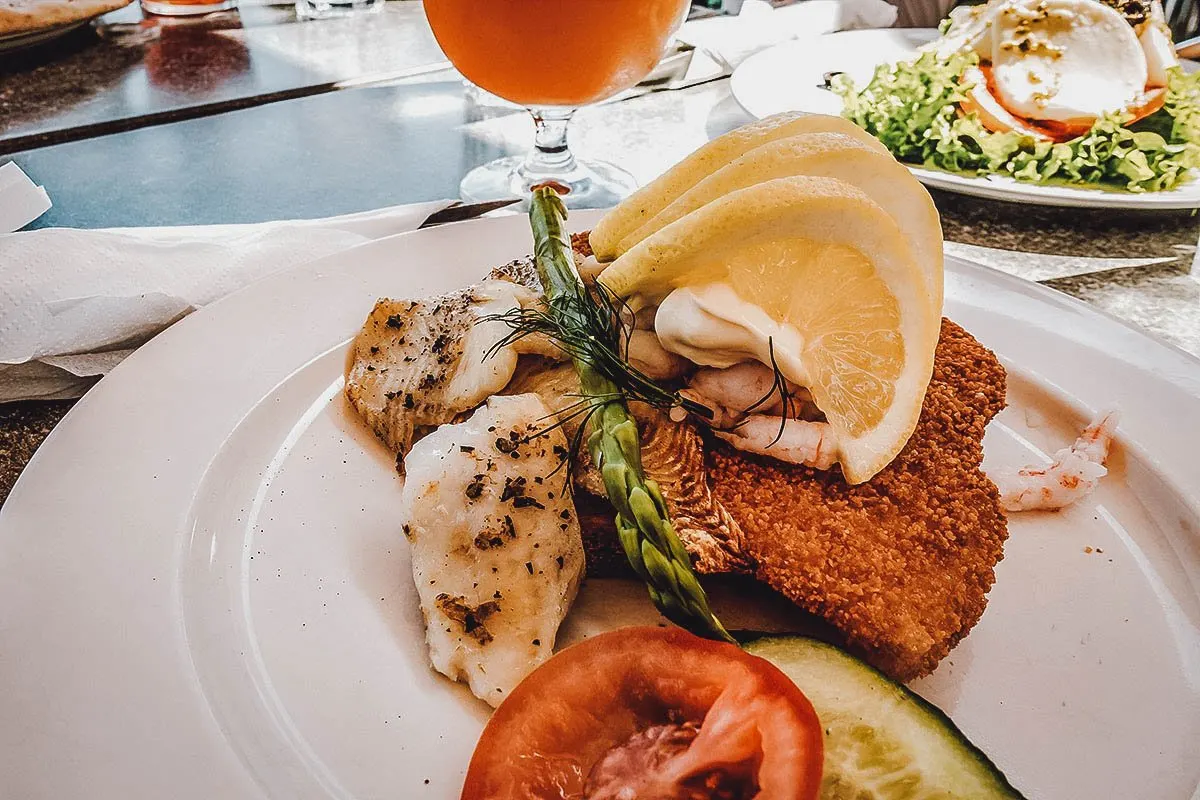
There are hundreds of varieties and combinations of smørrebrød but stjerneskud is one of the most well-known. A common sight at Danish restaurants and cafes, it’s made with buttered rye bread topped with a fried fish fillet, shrimp, caviar, asparagus, dill, and lemon. Stjerneskud means “shooting star” in Danish.
2. Tarteletter
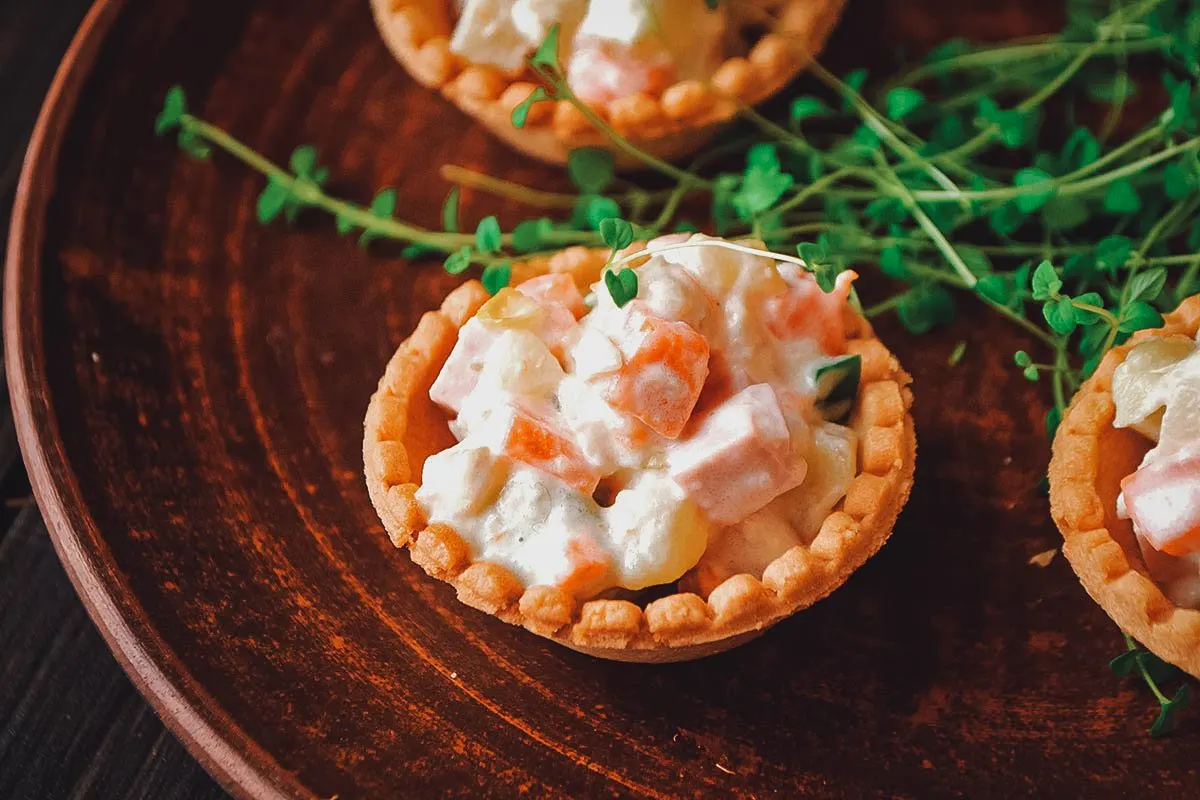
Tarteletter refers to an old and very traditional Danish dish made with pre-made puff pastry shells filled with different ingredients. The tartlets are typically store-bought and can be filled with various meats, seafood, and vegetables, though one of the most popular versions is filled with chicken and asparagus in a creamy white sauce made with flour, butter, and milk.
This Danish appetizer or snack has been around since the 19th century though it has waned in popularity in recent decades. In modern times, tarteletter is viewed largely as old-school Danish food served mostly at restaurant buffets and special-occasion brunches.
3. Pickled Herring
If you’re familiar with Northern European cuisine, then the inclusion of pickled herring in this Danish food guide should come as no surprise. It’s an important part of the cuisines of many countries in the region like Denmark, Iceland, Norway, Finland, Sweden, and the Netherlands.
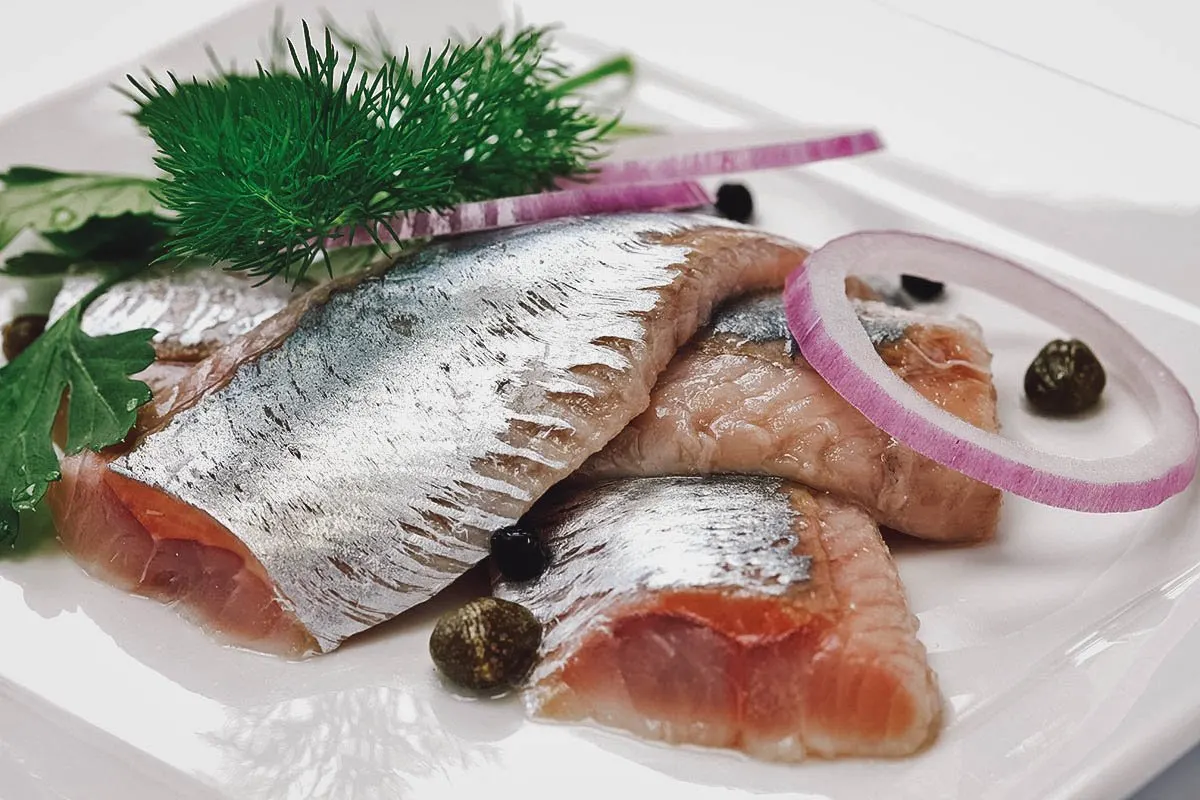
Pickled herring refers to herring that’s been preserved through pickling or curing. Fresh herring is first cured with salt to extract water before being brined in a solution containing vinegar, salt, sugar, onions, and spices. Depending on the recipe, it can be flavored with other ingredients as well like sherry, mustard, lemon, and dill.
In Denmark, pickled herring can be enjoyed in many ways though one of the most popular uses is to serve it over dark rye bread in smørrebrød.
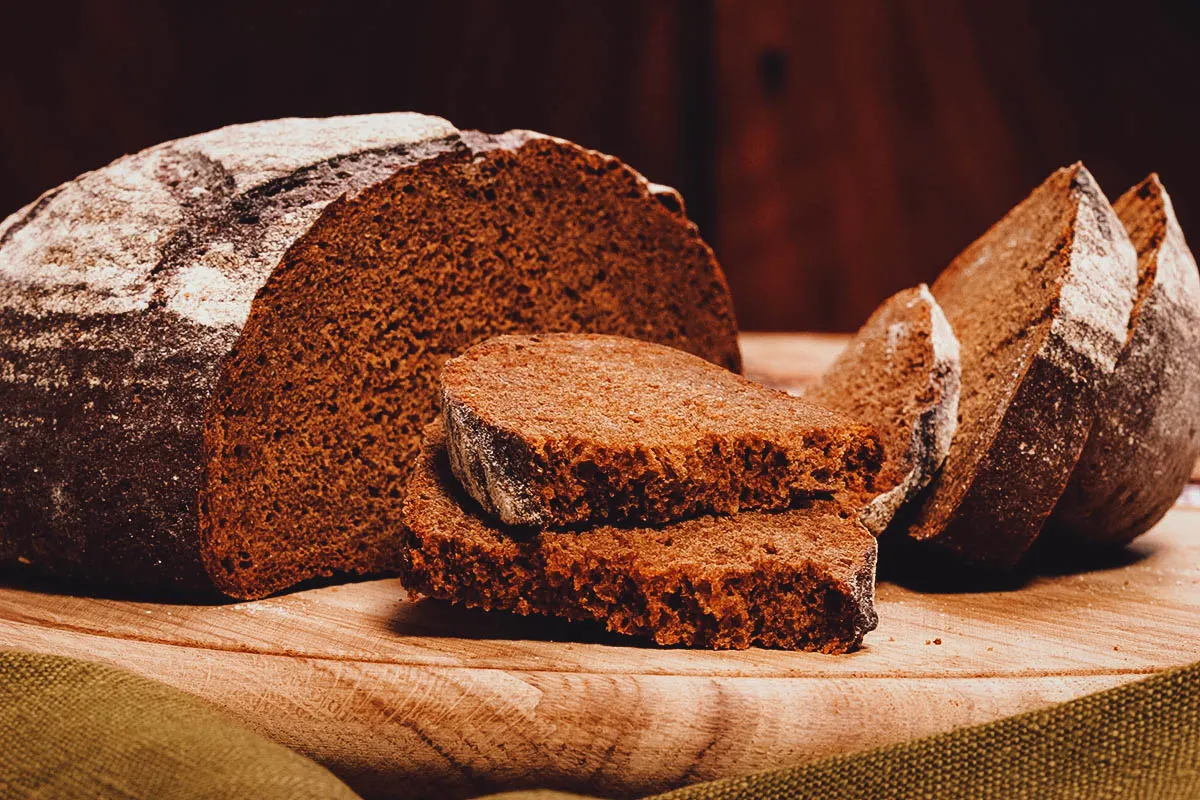
4. Rugbrød (Rye Bread)
Rugbrød refers to an everyday type of rye bread in Denmark. Dense, dark, and a bit sour in flavor, it forms an essential part of Danish cuisine and is used as the base for smørrebrød open-faced sandwiches.
Recipes for rugbrød vary but it’s typically made with a sourdough starter, dark rye flour, wheat flour, cracked rye, and other seeds like flaxseeds, sunflower seeds, or pumpkin seeds. Ale or beer is often mixed into the dough which is typically allowed to ferment for 24-48 hours, depending on the desired level or sourness.
Because it contains no added oils or fats and is made with little to no sugar, rugbrød is considered a very healthy type of bread. It’s low in fat and rich in whole grain and dietary fiber.
5. Frikadeller
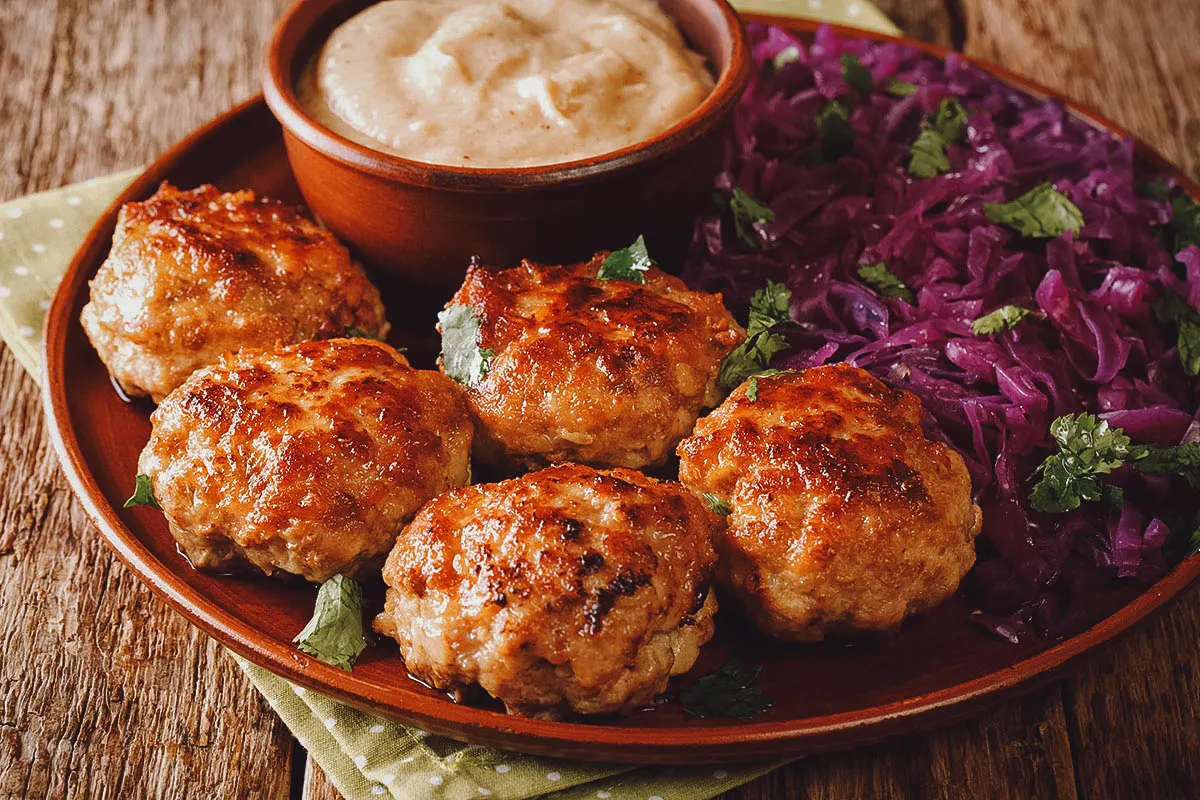
If you like meatballs, then you’re going to love frikadeller. It refers to the Danish version of pan-fried meatballs that’s also popular in the cuisines of Poland and Germany.
Danish meatballs are typically made with minced veal, pork, or beef mixed with onions, eggs, milk, bread crumbs, salt, and pepper. The mixture is formed into balls which are slightly flattened and then pan-fried in butter, margarine, or vegetable oil. They’re often served as a main course or side dish, often with boiled white potatoes and cooked red cabbage.
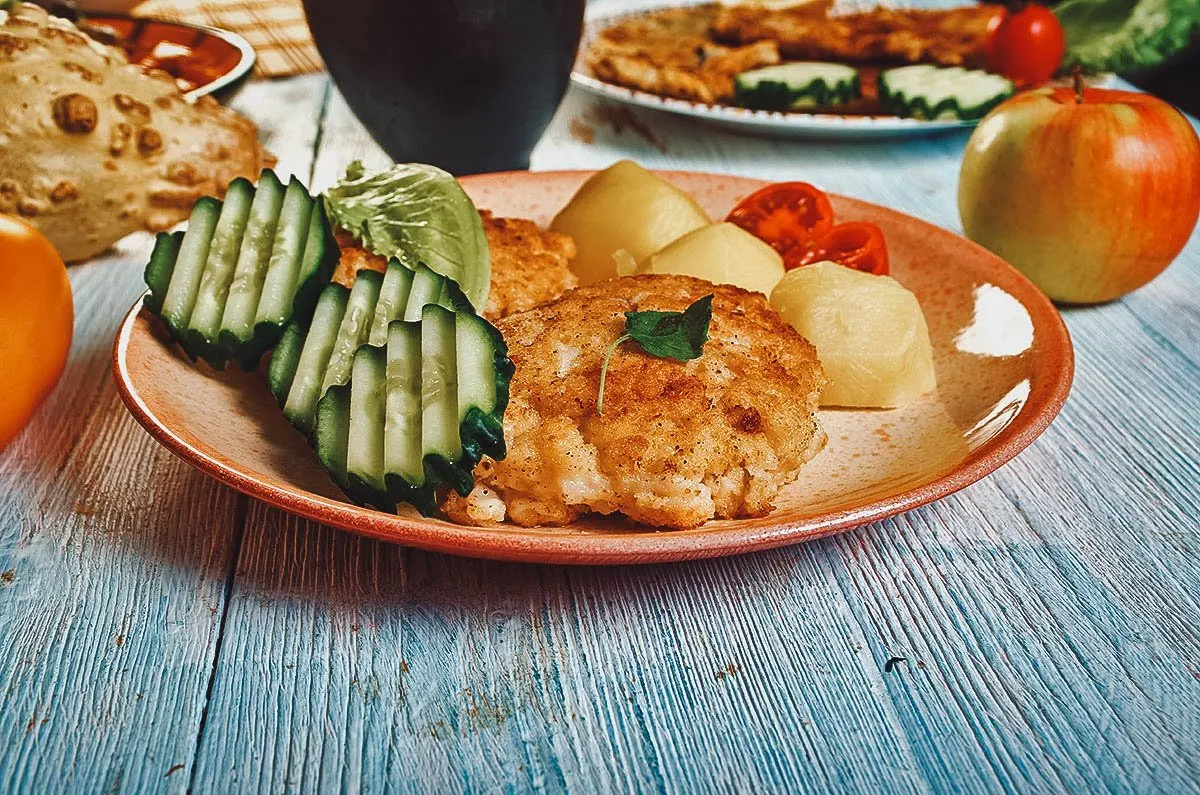
If you don’t eat meat, then perhaps you’d like to try fiskefrikadeller instead. It refers to a type of frikadeller made with fish instead of meat. It’s usually made with cod or salmon and served with remoulade.